So it’s winter here. Not the fake winter we pretend to have in Southern California, decorating our mall windows with plastic snowflakes and our Escalades with reindeer antlers while maybe throwing on a windbreaker to travel from car into supermarket – but real winter, where treacherous roads winding through countryside have never seen a snowplow and cars that skid off the road have no tow trucks to help them dig out. Men laboriously shovel dirt from the beds of slowly moving trucks in a stalwart attempt to provide some measure of traction on hills and curves. Car wheels skid uselessly at the top of the hill on my street before slowly sliding down to the bottom again. Other cars sit idle and useless under mounds of snow in the hillier neighborhoods of Hîncești; their owners will not be able to use them until spring when the killer black ice fades away.
Yesterday some of the employees of the center where I work made a picnic lunch and we piled into the all-wheel drive van with the consultant visiting from Germany to show him the only “tourist” attractions Moldova has: two of some fifty Orthodox monasteries that sit in relative isolation throughout the country. My partner had checked the weather forecast which indicated cloudy skies but no snow, so I donned four layers of clothing and the steely determination that being California born and raised was not going to prevent me from avoiding excursions for a third of the time I am living in Moldova.
Me, outfitted, sweating
Now of course, those of you who know that I have “been going through the change” for the past two years or so must appreciate what wearing four layers of clothing means for me. It means that I can only apply the top three layers minutes before leaving the apartment or I will die from heat prostration and suffocation. It means time indoors is spent weighing the benefits of disrobing with the hassle of having to put everything back on again later. It means long car rides invariably result in me sweating profusely within my tights/long underwear/ body shirt/tee shirt/sweatshirt/wool scarf/down parka outfit while my feet and fingers slowly go numb and the portion of my face that is exposed feels as if needles are dancing across it. There is no happy medium here. The only place I am reasonably comfortable is at home. Consequently, I am getting more and more loathe to leave. This is not a good sign.
So I made myself go on this jaunt to Căpriana and Hincu. And once in the van and on the road, I actually enjoyed watching the scenery go by. All the trees are bearing heavy loads of snow; their gnarled and twisted branches seemed to reach out in supplication as I passed by behind my frosted pane of glass. The sky was a muted mix of shadowy pastels overlayed with a sheen of silver. Most of the dwellings we past were trailing ribbons of smoke from their chimneys, attesting to the warmth of families and friends huddled inside. My companions were in high spirits, telling jokes and commiserating over children and husbands and housework and life in the way that any group of women the world over is wont to do.
In between the two monasteries, we pulled over to the side of the road and ate our picnic in the van, a healthy masa of baked chicken, sarmales, meat patties on bread, and the unbiquitous sliced tomatoes. Someone had brought a small thermos of chai that was still piping hot; I don’t know if it was better to hold or sip, but both proved satisfying. And of course bags of sweet treats were passed around at the end.
This is the “summer” chapel. They have a winter one also.
As in so many developing countries, the monasteries proved to be much grander and better constructed than the surrounding villages. It was actually uncomfortably warm inside some of the buildings (me packed inside all my layers with a menopausal thermostat notwithstanding.) There were icons, blessed bottles of water, candles, incense, and small bottles of perfume labeled „Jerusalem” for sale, on which my companions did not stint. One of the ladies even made me a gift of a small portrait of three saints. All purchases were laboriously recorded by pen in triplicate; this took approximately five to ten minutes per person for each sale while the German and I stood around examining the intricacies of the painted walls. Of course, days are mere blips in the annals of these monasteries. And we didn’t see any other visitors in either place. What do they have but time?
No expense sparedThe horses get jacketsThe dogs don’t. This one followed me until I climbed back in the van because I shared a bone left over from lunch.
As I write today, snow is falling relentlessly outside. A fellow volunteer who had spent the weekend with me – traveling for four and half hours in order to sit in her pajamas watching movies and trolling the internet with someone else rather than spending yet another day in her bedroom alone in her isolated village – departed the warmth of my apartment at 11am, only to get to Chișinău an hour and half later and discover that the buses aren’t running up to her village: too much snow and ice. She called me, dejected, facing a 20 minute walk down the side of a highway back to Peace Corps office to try to find a place to stay tonight. And maybe tomorrow. The forecast says snow all the way to Wednesday.
No handicap ramps or easy access in Moldova
Across and just down the street to the right, there is always a group of people waiting to catch a ride out of town. They huddle in small groups like articulated penguins, snow piling like heaps of scattered salt on their heads, shoulder, shoes. Sometimes they wait for an hour or more. I stand at my window and watch them, asking myself why the city doesn’t think to construct a simple shelter? Even a roof on four posts that would keep the snow and sleet from steadily burying people where they stand? How do Molodovans keep such stoic patience, never expecting more for themselves? I toy with the idea of going out and asking them: don’t you think you deserve better than this? rallying the troops, inciting a movement, marching on the raoin council with frost laden posters, clutching candle stubs to warm our hands.
But then the thought of donning all those layers is just too overwhelming and I return to my desk to compose my useless thoughts about their plight. Honestly, Peace Corps is tough in ways you just never imagine.
Today, in the course of a conversation between a German consultant visiting my center and my partner, the notion of a “Potemkin village” was used to illustrate those aspects of Moldova that can be so misleading for foreigners who try to understand how life works here. My partner had never heard this term, so we related the story (which experts now claim to be myth) of Potemkin erecting only the facades of settlements along the banks of the Dnieper River in order to fool Catherine II during her visit to Crimea in 1787; Potemkin wanted her to experience the area as more densely populated, flourishing and productive than it actually was. Oddly enough, my partner seemed to have trouble understanding the point of the story, almost as if it was perfectly natural for a government official to perform this sort of manipulative trick to impress a powerful benefactor. Such is life in Moldova.
Earlier this week, I received a request to relate the more mundane details of my weekly routine: what do I actually do here from day to day, what is my environment like, who do I encounter and where do I go? And as I thought about responding to this query, it occurred to me that my days are full of these Potemkin villages – the contrast between what is available to me as a Peace Corps volunteer versus what ordinary Moldovans can access; the wide range of locales that I visit and the varied people that I meet in my work and through the Peace Corps. Nothing is really as it seems, and all it takes is a scratch to the gleaming, brightly hued plastic surface to see the iron and rust lurking beneath.
Five Days in the Life of a Potemkin villager
Day 1:
I awake. Lindsey, a fellow volunteer now living in another village, has spent the night for convenience sake. She and I do a language lesson together on Wednesday mornings from 9-11 with our tutor, using the opportunity to converse with each other and receive immediate feedback on grammar and pronunciation. Peace Corps will pay for any volunteer to receive up to 12 hours per month of professional tutoring in Romanian or Russian, depending on the language needed for his or her assignment. I take full advantage of this and it is definitely one important way that Peace Corps invests in local economies throughout the country.
My tutor’s apartment building behind the billboard.
After my language lesson, I literally cross the street from my tutor’s third story apartment to my center. My partner, the center driver and I depart immediately for the Chișinău airport to pick up a consultant flying in from Frankfort, Germany. We negotiate the snow and ice and arrive at the airport prior to his plane landing, so we wander through the shops and restaurants in the small but modern airport that I barely remember seeing when I arrived in a stupor at the end of a 36 hour journey last June. There are many officials going in and out of various doors in full fur coats and leather boots, looking important and fully occupied. There is large Christmas tree decked in splendid regalia on the second
Chisinau airport – exterior
floor and the aroma of brewing coffee and yeasty breads fills the air. Puffy children in pastel hats, mittens, snow boots, and parkas waddle about like mini-marshmallows. (No one wants to peel off layers of buttoned, zipped, velcroed and snapped clothing for such a short amount of time. They are so adorable I want to eat them.)
Chisinau airport – interior
I use the notepad on my iPad to write the German consultant’s name in big letters. My partner and the driver are entranced by the invisible mechanics of such a thing, fascinated that my finger can bring forth words on a screen. They peer at the letters closely and giggle.
Once having obtained our German, we depart the airport and are soon winding through a maze of twisted, pot-holed streets in the outskirts of the city. I realize that this is not the direction home: “Unde mergem?” Where we are going, I ask. “Scuzați, Yvette! Mergem să cautem brad am vazut pe internet ieri.” We’re going to find a Christmas tree my partner saw on the internet yesterday. Not at a store, mind you. Somewhere in this nest of crumbling apartment buildings someone has offered a tree for sale. So the German and I are left in the van to become buddies while my partner and the driver begin a lengthy search on foot for the tree. I try to explain to him that this is normal in Moldova – one maximizes trips into the city by performing a multitude of tasks when there. He nods sagely and relates that much the same is true in India, Afghanistan, and Kazakhstan, places he has visited for work on a multitude of occasions. I am oddly excited to have Moldova lumped in with such exotic locales.
My partner and the driver eventually emerge with a green stick that, upon closer inspection, proves to be an artificial Christmas tree. It possesses four or five bent, sparsely-leafed branches and has definitely weathered its share of holidays. Sigh. Even developing countries have fallen prey to Christmas plastic.
Day 2:
I spend the day attempting to negotiate the niceties for our German guest. He needs to change money, so we drive him to the nearest ATM (which is literally a block away, but no one walks in Moldova if the luxury of a “mașina” is accessible.) It takes three attempts for him to understand how to operate the machine. Meanwhile, it has begun to snow. He wants to stop every few steps as we head back to the car to finish telling me a story – his wife has admonished him not to walk and talk simultaneously when it’s icy. I am freezing and I can see my partner sitting in the front seat of the van wondering what in the heck we’re doing.
After retrieving money from this thoroughly modern convenience (accessible in Russian, English, Romanian, and French,) we drive to the local indoor piața to buy food for the dinner we are hosting at the center to celebrate its year anniversary and search for the cinnamon that the German wants for his breakfast toast. There we encounter entire sides of beef, legs of lamb, livers, tongues, chickens with feet attached, and fish complete with heads, scales and fins. Mounds of homemade cheese (called “brinza”) balance atop rickety wooden tables next to recycled plastic bags replete with unshelled walnuts, dried fruit, wrapped candy (manufactured in Moldova), and two liter water bottles refilled with milk. Bare, bloody hands transfer meat from table to scale to bag. Nothing is sanitized, inspected, or refrigerated, but – since it’s probably only 30 degrees – I tell myself I will not be concerned. Vagabond dogs wend through the table legs nose to concrete sniffing for scraps. Men are smoking in clusters around the meat and fish; their ashes pepper the swirling currents of air. At least its winter so there are no flies. Needless to say, there is no cinnamon.
Day 3:
My center
During a feedback meeting with the German in the afternoon, my partner begins to cry. The beautiful façade of our center with its brightly colored murals, ergonomically-correct high chairs, handicap friendly bathroom, frothy curtains, and cartoon stencils is suddenly peeled back to reveal the seething cauldron of problems that sources her daily tears. After listening for an hour or two as I attempt to translate and summarize the various administrative and funding dysfunctions besetting the center, the German proposes the very same list of solutions that I so eagerly proffered mere months ago. He is met with the very same stubborn rebuttals and intractable arguments that were shoved back to me.
I explain to him that this Moldova; we are both liberally-educated, professionally-networked, culturally
Lyrical ode (in Romanian) to the hope and joy that children bring
privileged, westernized people using our analytical skills and inherent activism to tackle issues that have arisen in a foreign environment, that were born of a much different experience and informed by perspectives we don’t share and will most likely never understand. I see his shoulder sag subtly as he begins twisting his hands in his lap. God, I know the frustration he is feeling, mind scurrying from scenario to scenario, trying to find the invisible thread leading out of this tangled web back to sanity. I want so badly for him to find it where I’ve failed. Sadly, at this point I don’t hold out much hope.
In the evening I am invited to a masa at the lovely home of the second Angela – friend of the first Angela whose house I went to two weeks ago. I am amazed at the architecture: one enters into an intimate, cozy kitchen/dining/living room combination – a miniaturized version of the “great rooms” now so popular in American homes. The center is stabilized by the highly polished trunk of a tree that was culled from their property. The cabinets are all fashioned of a reddish, blond wood with glazed glass inlays and ornate handles that could have come from Restoration Hardware. Other smaller, sturdy trunks support the plastered ceilings of her and her husband’s bedroom, which they share with their 7 year old daughter until the time when their son, 18, is ready to move out and free the second bedroom for her. The bathroom sink is a shallow, smoky glass bowl, the shower fashioned from rough stones also plucked from their property. Angela is pleased that I shower praise on their creation that they designed and built themselves; “Most Moldovans just don’t get it,” she tells me, wryly.
The meal is hearty, the wine plentiful, and the conversation lively. I don’t get home and tucked into bed until well after midnight.
Day 4:
I arise at 5:30am, having lain awake for an hour already dreading the task ahead. I have to dress and ready my baggage for an overnight stay in Chișinău. I am attending the International Women’s Club of Moldova’s annual Winter Bazaar in order to sell Christmas cards, candles, and velvet bags fashioned by my center’s staff to supplement the meager cash they have set aside for the children’s holiday party. While I enjoy being in the capital once I’m there, the journey is fairly long and tedious. It is still dark and very cold when I leave the warmth of the apartment at 6:50am. Negotiating the steep, ice slicked asphalt of the driveway leading to the street, my feet slip out from beneath me and I land forcefully on my butt, driving the wind from my lungs.
At 6:55 I board the waiting rutiera that is scheduled to depart at 7:00 as I have planned to meet another PCV at 8:00am. I am the sole passenger. The driver and I converse about the difficulties of learning languages; he commiserates with me about the mishmash tongue that is loosely termed ‘moldovanești’ – an amalgam of Romanian, Russian, and Ukraine words that is variously spoken in the majority of the small villages. Peace Corps teaches us the proper version of Romanian, but this does not often match up with what we encounter at our sites. The further you travel from Chișinău, the greater the deviation from textbook style.
Many weeks ago, I discovered a well-organized (by Moldovan standards) website, autogara.md, which provides a comprehensive list of the departure and arrival times for buses traveling throughout the country and into Romania and Ukraine. I was so pleased – a schedule! I didn’t have to wander aimlessly up and down the street waiting for the right bus to appear. Instead, I can tear myself from the comfort of the apartment mere minutes prior to departure. The rutiera I have boarded, however, does not end up pulling out until 7:25, five minutes later than the scheduled time for the next departure of the day; only two more passengers have boarded in the interim. I know that I won’t make it by 8:00, but we Americans are smart by now: we pad in extra time to all appointments to account for the vagaries of Moldovan public transportation.
MoldExpo
The Winter Bazaar is held at Moldexpo, a thoroughly modern exposition complex on the outskirts of the city. There are over a hundred booths, mostly embassies – Chinese, Turkish, Polish, Italian, German, English, American – along with the United Nations, various Moldovan NGOs, and the Peace Corps. Experienced participants know to mob the American Embassy booth early, buying up all the cans of Campbell’s mushroom soup, gallon bottles of Log Cabin syrup, one pound jars of Skippy Omega+ Creamy Peanut Butter and containers of Kraft Country BBQ Sauce before the front doors have even opened for business. Ahhh, American manufactured food – don’t we all just crave it, in spite of ourselves.
This day proves to be one of those disorienting experiences wherein I feel as if Scotty has beamed me up to the Starship America: ten or fifteen PCVs of various ethnicities, genders, and sexual identities are milling about inside the small PCV booth and spilling out into the pathway, transitioning smoothly from Romanian to
Last year’s Christmas Bazaar in MoldExpo
Russian to English while sharing plastic plates of Ethiopan and Italian cuisine, laughing at each other’s jokes, discussing the merits of Northface versus Marmot parkas, and comparing itineraries for upcoming vacations.
In the evening, my fellow PCV, Elsa, and I prepare a luscious dinner of oven-baked chicken basted with Kraft BBQ sauce, accompanied by the left-over Spanish rice she served for Moldovan guests a couple of nights before, and a side of fresh (!!!!) Swiss Chard grown by another PCV as part of his greenhouse project. While we are cooking, her Moldovan landlady stops by to pick up the payment for the electricity. She spends a good 20 minutes parsing out the details of the bill, seemingly striving for a rare transparency in a largely opaque cash economy. The Peace Corps allots hugely generous, mandatory, non-negotiable amounts for utilities and rent within our monthly stipends. Moldovans who are selected as host families or who are fortunate enough to land a PCV tenant most times do their very best to provide a pleasing experience, anxious to retain this steady boon to their monthly incomes.
Day 5:
I arise at 6:40am from the bed Elsa generously shared with me, trying not to wake her. She has slept restlessly for most of the night, waiting for two other PCVs whom she has told can sleep on her floor to arrive. Like most PCVs from small villages let loose in Chișinău on a weekend night, they want to maximize their time and don’t show up until the wee hours. That is the bane of being assigned to a project in the big city. The coveted ability to access a variety of perceived luxuries like bars, restaurants, bookstores, malls, operas, ballets, concerts, and well-stocked grocery stores is balanced with the need to build and maintain boundaries of privacy and quiet time. Having an apartment in Chișinău means constantly fielding requests from fellow PCVs to crash for the night when they trek into the city from far-flung locales. When you have a generous, nurturing soul like Elsa’s, the ability to say “no” is one that must be practiced over and over, despite the discomfort it brings.
Dawn is breaking as I spend a good twenty minutes enveloping myself in tights, body shirt, long underwear, sturdy canvas hiking pants, woolen sweater, scarf, hat, mittens under gloves, and water proof UGGs to brave the outdoors. I heave my pack onto my back and decide to take the stairs, as I doubt that me in all my layers plus back pack will fit inside the minute steel box that masquerades as an elevator. Plus, I just don’t trust the damn things.
I trudge through the peripheries of the city’s bustling center, dodging through smoking pedestrians; packs of skeletal, shivering dogs; broken manhole covers that plunge into murky abysses; empty plastic bags of various hues skittering in the wind; careening automobiles with horns that blare at the briefest obstacle; and bundled bunicas selling potatos, beets and cabbage at the crumbling pavement’s edge. Neon signs for gambling dens fight for air space with satellite dishes, trolleybus cables, and billboards advertising European label clothing and airline tickets to Turkey. The women, as always, are minutely coordinated, stylish bags match boots which match scarves which match parka trim which matches lipstick, blush, and eye shadow. I look like a misplaced hobo; I can see their eyes twitching disapprovingly from my shoes to my bulky jacket to the lumpish backpack that causes me to walk in a slightly hunched manner. I couldn’t care less.
Peace Corps Office
I arrive at Peace Corps office, sign in, check the log for a stray package I might have overlooked, then trudge up three flights of stairs to the PCV lounge. By the time I get there I am sweating like it’s mid-July and must frantically discard my top two layers of clothing as quickly as possible. Various volunteers wander in and out, draping themselves about the second-hand furniture, dropping their belongings on the floor, mixing cups of instant coffee with plastic spoons retrieved from the trash, complaining of hangovers and the monumental journeys back to site. It reminds me of nothing so much as a college dorm room; disheveled youths far from home, parked behind iMacs blaring iTune playlists, exclaiming in delight when ripped open boxes from home spill out Cheetos, Kraft Mac N Cheese, deodorant, and warm winter clothing. People emerge from the shower with wet hair, wrapped in towels and proceed to dress with their backs oh-so modestly turned. Talk of projects, families back home, countdown until COS (Close of Service,) and the previous night’s escapades drift through the musty air. Me and two other PCVs, Sue and Tori, retreat to a back office to concentrate on plans for today’s effort to plug Turul Moldovei 2013 (more on this later.)
We emerge hours later into biting wind and mud spattered snow, facing a 35 minute walk to the Palațul de Republica where a formal event honoring volunteerism is set to occur. It takes us only moments to decide to hail a cab. Tori sticks her head in the window and begins negotiating a price. Sue and I stand alert at the back doors, hands on door handles, ready to dive in. Cars line up, honking impatiently, behind us. Though the price is 5 lei more than we originally decided to pay, we pile in hurriedly, willing to cede bargaining efforts for comfort. We inch our way between belching buses and shiny Mercedes only to catapult to 50 miles an hour through the open stretches of icy roadway, suffering whiplash on the sudden turns. Pedestrians scatter before us. Balalaikas blare tinnily from the radio.
We disembark before an imposing, pillared facade that has – no kidding – unfurled an actual red carpet atop the slushy, dirt-laced snow. Depositing purses, keys, and mobile phones on a table, we pass through a security detector which beeps loudly and blinks red for every person, leaving me to ponder the efficacy of its abilities. We enter a magnificent three-story hall, encrusted with chandeliers, burbling fountains, and galactic gold balls hanging from the ceiling like a retro-modernistic installation conceived in 1954. We check our coats with an actual coat check girl who hands us each a carved wooden tag embossed with a glittering number. We are ushered up to the second tier and encouraged to take our seats in the cavernous auditorium in preparation for the festivities to come; ah, but we are smarter than that now. We know that the performance will stretch into the evening hours, with no intermission or refreshments available. We surreptiously slink back down the grand staircase and proceed to effeciently accomplish our mission, nabbing the people we wish to meet as they walk through the detectors (beeping, flashing) in order to introduce ourselves and our future event. (Again, future blog post.) Within 30 minutes, we are hailing another cab back to Peace Corps.
Malldova (I’m not joking)
A couple of hours later I am sitting in a swank coffee shop in a mall that could have been built in any California city, waiting to meet with an Irish woman who runs a large orphanage in Hîncești. Suzanne is an amazing force of nature, who emits energy and cheer throughout any space she enters. I find myself craving her company in these dour days of winter. She has generously offered to let us hitch a ride back in the van that transports the medical personnel working at the orphanage back to their homes in Chișinău every evening. Thank the sweet lord for this, as a blizzard is bearing down and the thought of negotiating the street corner wait and the various bus changes back to site is just overwhelming me at the moment. I have never appreciated personal vehicles – as environmentally depleting as I know them to be – as I have since winter has descended in full force upon Moldova.
Malldova – interior
I spend a few minutes in delightful conversation with Suzanne’s father, who is urbane and thoughtful, remarking to me about the bitter irony of this „Malldova” – an architectural showcase of shops which 95% of Moldovans cannot afford to patronize. (Just like South Coast Plaza, I think.) The coffee here is the same price it is in the States. Men finger their iPhones at the table adjacent to me, while brusquely barking at each other in a language I cannot identify. Heavily made up young women lounge next to them in real furs, feet encased in six inch stilettos. (How do they walk through the ice in those things? I think.)
The ride home is spent in silent, repetitive prayer to a Father God I don’t believe in – please don’t let me die on a highway in Moldova, please don’t let me die on a highway in Moldova. The driver is good, but the road is icy and sleet is blanketing the windshield with frost. There are no street lights or municipal trucks to salt the roads. We slide perceptibly on the curves, hydroplaning three or four times. When we finally turn onto the road leading into Hîncești, I feel the muscles in my neck and back I didn’t realize were clenched subtly relax.
It has been dark for 3 hours by 7:00pm when I shed all my layers, wash my weary face, and sink gratefully into
Winter window view looking out from my bedroom
the easy chair bathed in the warm light of a table lamp in my room. Tomorrow, language lessons, 9:00am. I have not studied a word of Romanian (though granted I have been speaking it at various times throughout the past five days.) I am too tired to care. I am too tired to check email, Facebook, or the days news. I am too tired to eat. The book I am readying on my iPad sits heavily in my lap. Outside, snow is swirling and the wind is whistling through the twisted limbs of the tree just outside my window. An occasional truck thunders by.
Using my Google voice number, I call my husband. He is just waking up, contemplating a choice of cafes for breakfast and a leisurely perusal of the New York Times. Life is moving on at the same pace, in the same grooves, 6000 miles away. It is not snowing there. I hear Zoe bark once, sharply, in the background and picture the person she is warning walking past outside the window. His voice is so clear I could swear he was in the next room. I laugh at one of his jokes and my eyes suddenly fill with tears.
Happiness masking melancholy; plastic coating rust; glitter over darkness; facades hiding emptiness – it all rolls through me in a wave that crests, breaks, and then recedes again. I’m learning to negotiate the currents and swim with the tide. And actually, its really not that bad.
I took my love and I took it down
I climbed a mountain and I turned around And I saw my reflection in the snow covered hills
‘Till the landslide brought me down
Hum along now, you know the tune…..
Oh, mirror in the sky
What is love?
Can the child within my heart rise above?
Can I sail thru the changing ocean tides?
Can I handle the seasons of my life?
This last Sunday I had my first invitation to a Moldovei home for a masa since coming to live in Hîncești. It was a big first for me – I was going on my own, without another PCV or my host sister accompanying me. Angela and her husband Uri are the parents of Auriel, an 18-year-old young man confined to a wheel chair who comes to my center every day. In fact, Angela, who is a social worker with the raoin council (similar to a county worker in the States,) is the president of the association which started Pasărea Albastră a number of years ago. She also attends the English class I co-teach on Tuesday and Thursday nights. We have taken a liking to each other, as she is a very determined, classy, well-spoken and intelligent
Uri picked me up in his car and drove me (thank you!) way up into the hills that surround Hîncești, where they have a house abutting the forest. They have quite a spectacular view and seem to be fairly well-off by Moldovan standards (note the flat screen TV in the background of one picture.) I was relieved to see that Angela met me at the door in sweats, absent her usual make-up. This was obviously Sunday and a day for relaxation; it made me feel immediately at home. I greeted Auriel, who was quiet vocal in expressing his surprise and happiness (though he is not able to verbalize) and their 12-year-old adopted daughter Nicoletta, who speaks perfect English (though she is shy about doing so.)
Angela’s mother and husband Uri
This comfortable feeling deepened over the course of the 5 hour repast. Their friends Angela (same name) and Sergio joined us with their youngest daughter. The second Angela speaks almost perfect English; she has her own business working as a document translator. Sergio is an optometrist. They lived for three years in Portugal and have adopted many European viewpoints. It made for a very different experience than I am accustomed to having when interacting with Moldovans.
Auriel, his grandparents and me
They are impatient and disappointed with their country about many of the problems that Americans immediately identify: the lingering Soviet-era entitlement mentality coupled with the endemic rigidity, nepotism and cronyism, corruption, and multi-tiered bureaucracy that makes changing the toilet paper require a veritable act of legislation. They are personally affected by the economic conditions that require their children, brothers, sisters, and extended family members to work outside of the country, possibly with no hope of returning.
(Second) Angela and (first) Angela’s mother
Angela talked about her older daughter who is working as a maid in a five star hotel in Chicago. Because she has an excellent command of English, she has a good chance of moving up to the front desk. If this happens, she will most likely not come home. Ever. It is too expensive and her life would be grounded in the United States with the husband and children she hopes to have one day. I ask Angela how she feels about this and a steely curtain descends over her eyes. “This is the best thing that could happen for her. I have to let her go,” she tells me, not even a hint of a quiver in her voice. Wow. My mothers’ heart broke open wide and mourned for her.
Angela with her mother and daughter
The evening was mostly filled with laughter and enjoyment, however, despite some of the grim realities of life in Moldova. The two Angelas and their husbands are obviously very good friends. It put me in mind of my Canyon Acres and IUCC buddies; there was palpable warmth and happiness that suffused the room and it was pleasurable just to bask in their friendship. I haven’t felt so relaxed and completely at ease in any setting since leaving the States. I even joined Nicoletta for a rousing karaoke and dance to Queen’s “We Will Rock You!”
Of course, the next morning I paid the price of imbibing a little too much cherry raku (a homemade liquor) but it was definitely worth it. I have made new friends. The second Angela actually talked me into joining her aerobics class at the casa de cultura on Monday and Friday evenings. Will report on that later…..
Winter is coming to Moldova. I can feel the change in the air – even though the sun breaks through the clouds most days to shine bright and strong, it never manages to warm the air sufficiently to forget what month we’re in. While it is within October’s purview to don a breezy cloak of warmth on occasion, November is too busy kissing up to December’s gray foreboding locks; it brooks no tolerance for wistful memories of summer.
I would embrace wholeheartedly this opportunity to experience – for the first time in my five decade plus life – this inevitable cycling of the seasons, the turning of life from bounty to harvest to dormancy to regeneration – all of the blessed profundity of it- if it wasn’t for the damn dogs: Canis lupus familiaris. Those ubiquitous roadies trolling behind the human bandwagon, an animal most thoroughly doomed to trace an endless feedback loop that grants it no reprieve from the vagarious impulses of a far more intelligent, yet somehow (usually) less sympathetic species.
Vagabonds, they’re called here. Strains of German Sheppard, mixed with a bow-legged, furrier, terrier type: they’re everywhere in Moldova. (Though one occasionally glimpses an odd-man-out; the other day I ran across a perfect Chinese pug, shivering in the cold, reminiscent of the little prince my grandmother cherished for some 15 years.) A few appear to be well-fed; I have come to realize that many Moldovans “own” dogs which they permit to roam freely about the village, opening the gate for them in the morning then granting them safe harbor when they return in the evening with the setting sun. But most are not so lucky.
Fending for themselves at the outskirts of attention, they regularly ravage the few trash bins placed around town, strewing wrappers, bottles, plastic, paper, and other non-edible waste about the streets and making an already degraded environment appear even more disheveled and unkempt. You see them sitting alert in front of a child eating an apple curbside, waiting for the core that might be carelessly tossed their way; or following the kerchiefed bunica hauling a load of produce from the piața, sure that an onion skin or leaf of cabbage will stray from the bag; or trailing the busy man chatting on his cell phone while munching a placinta, lapping up the brinza crumbles falling from his mouth.
They are alert, always, attuned to the environment in a way that Zoe – my dog at home – has never had need to be. I watch them wait at the edge of the highway, tail tucked between their legs, watching, knowing what’s dangerous, shying back at just the split second necessary to avoid being hit. No one (but me) it seems notices; they are invisible, skirting the edges, immensely disposable. No one pets them, feeds them, names them, buckles a collar about their bony necks. Their coats are matted, their eyes wary. As the cold deepens, setting in its claws, they coalesce into packs, finding warmth in numbers. And soon enough the guns will come; many will be shot. One is safer in the middle of the herd, by the far. Dogs are not dumb.
I must keep reminding myself that their genes betray them, though: these are animals doomed to the periphery, dim notions of warmth and camaraderie suffusing their bones, with scarce few – if any – opportunities to realize them. I do not venture to connect with them; though I carry bones always, when dinner has provided them, I throw them several yards and walk quickly away, not wanting to attract the pack.
One can know a country by the way it treats its dogs….
I may have relayed that Nina invited Andrei and Mihai to my birthday masa last Wednesday night (Andrei and Mihai are the two gentleman that figured largely in my blog post about attending a celebration in Boghocieni though I didn’t know their names at the time. MIhai is the man who guided me through the hitching process, Andrei the man who emerged in his bathrobe…) So a couple of hours into the party, and several bottles of wine later, either Andrei or Mihai brings up the Agricultural Expo taking place this weekend at the Moldexpo in Chișinău. They want me and the other three volunteers present – Matt, Lindsey and Patty Harlan – to come with them. At least this is what I understood at the time. Both Lindsey and Matt refuse the invitation, citing other plans, and it is my initial impulse to do likewise. After all, I truly am a city mouse and have no penetrating interest in farm implements, combines, and animal husbandry techniques. However, I pause and consider the fact that this would present a real opportunity for integration and show me a side of Moldova that I don’t have easy access to, living in a raoin center like I do. And, admittedly, the wine has painted the world friendly and fun and I think “what the heck, I’ll go!” I then talk Patty into joining us, though this involves her rearranging a language lesson and pulling herself out of the heavily tread routine she’s dug for herself in Hîncești. (I think she may be the only M27 who remained at site for a record two months after PST. She ventured into Chisinau a mere week ago on an excursion with fellow Moldovan teachers on a hired bus to the opera – which doesn’t really count as far as I’m concerned.)
Come Friday, however, Patty has a chance to view an apartment for rent that morning and has decided that this is more important to her overall happiness than accompanying me to Agrofest. So now it’s me and the two Moldovan men. While this causes a stir of apprehension within me, I console myself with the knowledge that these are two good friends of Nina and it would be impossible for them to perpetrate some indiscretion upon my person without her finding out and making mincemeat of them (Nina is traveling to her village for the weekend – like usual – and cannot join us.) So I hold off on canceling out – I don’t have their contact info and probably couldn’t make myself understood over the phone anyway – and wait for the knock upon the door. Which, in typical Moldovan fashion, comes precisely 51 minutes after the agreed upon time of 9:00am.
Mihai
Surprisingly, when I answer the door, there is Mihai, alone, in suit and tie, smelling faintly of cologne, no Andrei in sight. Well, perhaps he is waiting out in the car? Again, will I ever learn? No car, no Andrei, and off Mihai and I trek to the bus headed into Chișinău. At least it’s a bus this time and we’re not standing on the side of the road trying to negotiate a ride with a truck driver, I think. Which should have been my first inkling that perhaps this little excursion held a bit more significance than I – with my casual American attitude regarding cross-gender friendships – might be initially aware. As Mihai held my arm crossing the street – a feat I accomplish with no assistance several times a day – and guided me onto to the bus midst the teeming throng – again, a negotiation I have successfully managed without fear or trouble many, many times in Moldova – something began tickling the underside of my brain, like the feeling you get when you might have left the iron on at home or forgot to turn off a burner on the stove. Then, I realize that he has paid the driver for my ticket as we have boarded after the moment when the driver walks down the aisle collecting the money. I try to repay him the money for my fare, but he refuses to take it. Then, after we are seated, he turns and (tenderly) brushes away hair that had caught in my eyelash, and suddenly an alarm bell begins to ring, loud, clear and insistent, in my head. OH MY GOD – this is what PC warned us about!!! Any excursion comprised of a man and a woman – especially if you are beyond the naivety of youth – constitutes a date in Moldova, no matter how innocently you might have accepted said invitation. Oh shit, shit, shit!!! I’m on a f***ing date!
When Mihai reaches across the back of my shoulder to open up the curtain so I can see the view, I descend into a brief panic. Thankfully, his arm retreats back to his side and we resume a halting conversation about the beauty of the countryside (autumn – so far – presents Moldova in her very best light), the whereabouts of his apartment, the times I have previously traveled to Chișinău, the number and gender of his children and grandchildren, etc. I am still holding out hope that perhaps we are meeting Andrei at the expo and I begin to relax a bit. Silence ensues and I zone out watch the passing rust and mauve-tinged vineyards and brilliant blue sky outside my window. However, once we arrive at the Gara de Sud and he again grabs my arm (even though I have purposefully paced myself to walk two feet behind him,) and again pays the driver for my ticket (despite me having my fare in my hand) and proceeds to kick a young woman out of her seat so I can sit down (causing me great consternation and embarrassment) and then smiles at me every time I look up and see him watching me, I realize that I need to make the status of this little divertissement as clear as I possibly can.
Nina’s farm is in Bassarabeasca, where this honey was made.
Once we arrive at Moldexpo and it is clear that Andrei is not, indeed, joining us and the conversation lands on the distance marriage that Nina and her husband have contrived (him living full time on the farm in their village and her residing in the city because of her work with Avon) I realize this is the perfect opportunity for a brief segue into my personal circumstances. I remind Mihai about my own marital status, the fact that my husband does not like to travel like me, that he has an important, well-paying job in America, and that I am here because of a desire to live and work in a different county for a time, but that I will be returning after two years. (All information that I have shared before, but I figured that revisiting it couldn’t hurt.) This was the best I could manage, given my limited range of Romanian and the intricate complexities required to convey conflicting emotions and delayed dreams and the deep insights into mortality that mid-life birthdays seem to convey for us first-worlders. Suffice it to say that he was quiet for awhile after this, but I may be flattering myself unduly. I have no idea if I embarrassed him by implying that his intentions were anything other than friendship, if he was confused by why I needed to insert previously established biographical data during an excursion to Agrofest, or if he was busily re-organizing our activities for the day to accommodate my (hopefully) clear lack of intention to pursue a more intimate angle. I could have been wrong about the whole thing, given my absence from the universe of courtship for almost a quarter century now. Oh well. Better safe than sorry.
John Deere makes it to Moldova
By the time we enter the gates to the expo, small talk has resumed, the sun is peeking out from glorious, white-feathered clouds and a brisk breeze periodically floats women’s brightly colored scarves about their necks and hair. The day is beautiful and it is interesting to see the range of equipment on display, from micro-tractors built in Japan designed for the private farmer to gigantic, towering combines from Russia looming far above our heads that, Mihai tells me, are only affordable – maybe – for ‘associations’ – to group purchase in Moldova. (These machines-on-steroids continually elicit disgust from him as flagrant reminders of Russia’s ‘abandonment’ of the Moldovan economy – he is one of a certain segment of Moldovans that thinks returning to the fold of the Soviet Union to be its only hope for a brighter future.)
Mihai exhibits a preternatural ability to pick foreigners out from the crowd and everytime he sees one he drags me over and excitedly announces that I am an American that speaks English. This provokes some puzzled looks (he, after all, is not speaking English) until I open my mouth and say, “Hello, where are you from?” and we establish that, indeed, Mihai correctly assessed that they were from Germany or Holland or England or Bulgaria and – as never fails to astound me – speak almost perfect English. (Americans remain stubbornly parochial in our language limitations largely because we can.) He even announces this to Moldovans, finding a handful that also speak perfect English which results in me exchanging phone numbers with the daughter of the Moldovan Minister of Foreign Affairs (a great PC connection, if I can figure out how to use it) and a woman who conducts tours throughout Moldova in her own private vehicle (an exciting expansion of my travel capabilities.) I meet several who have gone to school in the US in such varied states as North Carolina, Virginia, and New Mexico. I share with them that last year at this time I was traveling through those very states. We exclaim mutual surprise at the relative smallest of the world.
Mihai, meanwhile, has been gathering every piece of literature offered by the vendors. He has a bag filled with twin, sometimes even quadruple, copies of every brochure, catalog, pamphlet, magazine, flyer, newsletter, and booklet that was offered. And every time he picks one up, he looks slyly around and carefully slips it into the bag as if he is in a covert operation collecting evidence for some sort of political intrigue. I think that he is naively unaware that these articles are provided without charge and assumes he is getting away with something in obtaining this wealth of information for free. I convey to him, as politely as possible, several times, that I really have no use for this literature but he continues to collect it, stating that we will give my portion to Nina’s husband for wintertime reading on the farm. By the time we reach the end of the exhibition I swear the bag must weigh twenty pounds. (I hope Nina’s husband will appreciate this effort, but it seems like a yawn-inducing compilation to me…)
Gear for whiskey-making, always an important addition to an agricultural fair…
After the exhibitors begin to dismantle their wares, Mihai has me call his sister for him (he doesn’t own a mobile phone, remember, an antediluvian idiosyncrasy even in Moldova.) I hand the phone to him and then wonder why I can’t understand anything he says until I realize he’s speaking Russian – ah, yes, the Russian connection – and he tells me afterwards that we are now going to his sister’s in Buiucani, a fancier section of Chișinău that is home, amongst other institutions, to the University of Moldova and the American Embassy. Great – now I’m being taken to meet the family? crosses my mind briefly but I let go the thought; the day has been fun and his manners impeccable and there has been nothing to concern me since I made my awkward little speech.
Yes, that’s the bottle of wine.
Julia’s apartment is spacious and modern, though a little disordered from renovations she appears to be committing on the wrought iron that laces the outside of her windows. Our visit is made instantly convivial by a large bottle of homemade wine and it is from his sister that I learn of Mihai’s wife, Nina, who has been living in Israel for the past five years working as a nanny. (This information surfaces in the midst of a comic ridicule of Israeli dependence on American aid and a somewhat skewed notion of Putsin’s character strength in refusing to provide money to spoiled nations.) I am more than a little surprised that the existence of said wife has not been proffered in previous conversation, either by Mihai or my host sister, Nina. Such biographical data seems integral to me to basic, introductory phases of communication. This leaves me worried – just a bit – of perhaps not having misinterpreted Mihai’s intentions, after all. And my Nina is fully capable of aiding and abetting such deceptions. She is one of a certain demographic of independent Moldovan women who appear to have a more casual, European view of marriage and conjugal relations, stating on more than a few occasions that I should remain open to entertaining the attentions of a “barbat” while I’m in Moldova.
Adorable chinchillas destined, sadly, for women’s coats
So when Julia forcing the unopened bottle of beer Mihai has brought with him back on us is coupled with his stated attention to accompany me home purportedly to divide the literature loot between us, and then I find the apartment still empty of Nina, I quickly pull out my phone and call Patty. Like an angel, she appears after a mere half glass of beer has been consumed between us and all social discomfort – imaginary or actual – is resoundingly diverted by her presence. We sustain 30 minutes or so of trivial conversation, but it is only after I yawn repeatedly and repeat “obisita” (tired) several times that Mihai begins to gather his booklets and turn his attention to departure. Observing traditional Moldovan etiquette, I accompany him to the door, where he pulls a final, fast one that confirms for me that my long-dormant instinct is still operating correctly. In Moldova, it is common for women to kiss each other on either cheek when greeting or saying goodbye. For men, however, it is more customary to either take a woman’s hand and feign kissing it or, if one is particularly gallant, to actually place his lips lightly upon it. Relatives and particularly close friends – i.e., Nina and Mihai, say – will allow a kiss on the cheek from the man to the woman. When Mihai started toward my face, I flinched, and then was horrified when he kissed me smack on the lips and then giggled mischievously. I was so shocked I just stood there with my mouth agape before gathering my befuddled brain to shout “rau!” (bad!) at his departing back as his disappeared down the stairs.
Me, with pumpkin
Another lesson stumbled through about the nuances of Moldovan culture and the difficulties of communicating clearly without a better command of language. Perhaps it was just a teasing gesture on the part of a lonely man who welcomes female company of any sort in the prolonged absence of a wife (dear me, does that mean my husband is kissing neighbors?) but I will need to establish much firmer boundaries if I ever decide to accept such an invitation again. These are the aspects of Peace Corps service that one just doesn’t anticipate. Really.
So I guess when I find myself lingering over an internet news story illustrated with a picture of a Big Mac, it’s time to start to talking about food. I’ve managed to steer clear of the subject pretty handily for the last three months, other than giving sidebar compliments to my Stauceni host mom for her “healthy cooking.” It was healthy, primarily, for being composed almost entirely (other than a tablespoon of oil here and there) from items plucked directly from the ground outside her kitchen door. I ate soup (or ciorba, as they call it) for breakfast, lunch, and dinner. Cold, lukewarm, and sometimes hot. This had nothing to do with the weather, but rather when she might have prepared it and how long it had been sitting in the beci since then.
Honey, I Shrunk the Plates
You’ve all heard of Super-sizing your meal, right? That’s what we do in America – take reasonably sized things and inflate them to gigantic proportions: cars, houses, airplanes, hamburgers, sodas, boobs, lips, waistlines. Well in Moldova, they haven’t quite caught up yet. Everything is micro-sized. Or maybe it’s actually normal-sized and I’m just myopic in registering things on this scale. Honest to god, their plates are six inches across. They look like saucers. I thought they were saucers when I first arrived and I kept searching through the cupboards for the dinnerware.
Moldovan plate only slightly smaller than actual size
Small plates actually equate to small portions – who would’ve thunk? Dietetic problems solved – bingo! One starts to realize how much was being previously consumed after finishing the micro-sized portion and not yearning for more. Now, this can be partially attributed to the relative blandness of the composite ingredients – there are not a lot of fat/carb combinations stimulating the production of insulin and keeping the engine of fork to mouth churning. But I think, for me, the very act of having a smaller portion in front of me (and not being the one in control of the portions or distribution) has changed my experience of eating altogether. Since I actually eat more slowly (the food is just not that exciting) there is time for my brain to register that my stomach is full and I can blithely refuse the second helping that Moldovans are seemingly obligated to offer (probably because their plates are so small.)
What’s Cooking
While Moldovan cuisine isn’t bad by any means, it isn’t built on a distinctive melding of complex flavors. There doesn’t seem to be the potential for artistry or creativity that propel some other ethnic foods to world-renown status (the French and Italians pop immediately to mind.) I know some of my fellow PCVs would argue this point, but to me one cook’s placintă tastes pretty much the same as the next person’s. I like sarmale, but it’s comprised of basic ingredients – meat of choice (usually pork,) rice, onions, tomatoes, broth, with some dill and bay leaves stewed on the stove for a couple of hours, then wrapped in grape leaves and steamed for an hour or so. Tada.
Lunch
Their cheese (brinza) is made, oftentimes, from sheep or goat milk and has a very distinctive, shall we say pungent, taste. It doesn’t melt well. Butter is expensive and used sparingly – primarily as a spread (along with mayonnaise and ketchup – yuk!) on white bread. Their herbal potpourri is limited (but maybe that’s because I can’t read all the Russian labels?) Meats – the ones cured from their farm-grown ducks, chickens, pigs and rabbits – are VER Y lean and spare. (These aren’t animals that’ve enjoyed a pharmaceutically-enhanced, hormone stimulated, grain fed existence. A whole chicken here doesn’t contain near the amount of meat that’s in a two-piece lunch meal from El Pollo Loco.) There is no brown/wild /jasmine rice, quinoa, barley, bulgur, faro, millet, or wheat berries to be had. There is white rice, corn meal, and buckwheat, white flour and semolina pasta. And plenty of grapes, pears, plums, potatoes, green beans, cabbage, carrots, onions, eggplant, tomatoes, and cucumbers (tons and tons of cucumbers.) No lettuce, or spinach, or bok choy, or radishes, or radicchio, or leeks, or broccoli, or Brussels sprouts, or fennel. Occasional mushroom of the standard white capped variety.
I guess what I’m trying to convey is that the cook’s palette is very circumscribed. You eat locally here. And you also eat they what they’ve eaten for the last two centuries. There isn’t much imagination or variance that goes into the pot. Mostly it’s some combination of vegetables in a broth or sauce with a bit of meat added (sometimes) as a flavor enhancer. Some cooks rely on pasta and rice to fill up the saucer/plate (my first Nina shunned these staples, but my new Nina is a fan. I don’t eat with her much.) Putting cabbage and potatoes in a pastry (placintă) is a national favorite. So is wrapping rice/meat fillings in grape leaves (sarmale.) Zeama or ciorba de pui (sour chicken soup) is eaten two to three times a week. Cold, for breakfast.
Anyway. I have found my lifelong gusto for all things culinary has abated here. Food is fuel. That’s about it. Mostly, it bores me. I do get a brief frisson when I know the kitchen is clear and I can go in and wield a knife on the cutting board, but the dearth of stimulating ingredients when I open up the refrigerator soon quells it. How many ways can one slice and dice vegetables? Without an oven or food processor or crock pot, I’m kind of running thin on ideas.
Poftă Bună
With all the aforementioned now said, I must emphasize that Moldovans – like most cultures – use food as a primary mechanism for displaying graciousness, appreciation, inclusion, and nurturance. They want to feed you. PST devotes an inordinate amount of hours to discussions about food. Yes, they tell which foods to avoid and instruct on boiling water and sanitizing cooking implements and warn about checking label dates. But they also provide guidance on how to politely refuse a third helping (customary politeness dictates acceptance of the second one, but not all of us are polite.) They suggest tactful means of explaining that one doesn’t need to ALL the food that has been prepared in order to convey one’s appreciation to the cook.
I think this treatment of food as a bounteous expression is most beautifully illustrated by the Moldovan phrase “poftă bună.” The word loosely translates as „bon appetit,” however, in other idioms the word poftă can also mean to lust for or after. (And ”poftim” is an interjection with a variety of useful applications, from ”here you go” to ”pardon me” or ”Wtf?” – my interpretation, not the dictionary’s.)
In America, we enjoy our food with the best of them. But we don’t regularly wish anyone sitting down to a meal “eat with lust!” or “Go for the gusto!” But Moldovans do. If any Moldovan, from five to seventy, walks into a room where someone is eating they say “poftă bună.” When someone hands you a plate of food, he says “poftă bună.” When a server delivers you a bag of potato chips – “poftă bună.” When a newly arrived guest joins the dinner table, be prepared for the refrain. It’s ingrained in them, just like “gesundheit” or “god bless you” after a sneeze is for others.
Chai
Anytime I bring a friend into the apartment, Nina immediately prompts me to offer them chai. When I try to tell her it’s not necessary, the person either doesn’t like chai or has only swung by to pick something up, she conveys a grudging but reluctant understanding through a barely tempered glare of disapproval. I am not acting graciously in her mind. Moldovans will offer you chai if you look in their front gate as you’re passing by.
Perhaps it’s a good thing that I’m just not that into their cuisine. Otherwise I might weigh 50 pounds more at the end of my service. And that is definitely NOT on my Peace Corps agenda.
So today is the 11th anniversary of 9/11. Not necessarily a time period that will garner huge headlines back home, but – because I coincidentally referenced 9/11 in yesterday’s blog – it was in my mind as one of those shared experiences that, unfortunately, create a separate cultural context for me and my fellow PCVs from that of our Moldovan counterparts. And that’s a shame. Because it is through fostering that sort of subtle, but seemingly insurmountable divide, that those who wish to “terrorize” us win.
Yet it also put me in mind of a wonderful cross-cultural experiment that one crazy American is carrying on throughout the world: Matt Harding dances and is encouraging people to join him in rollicking troupe performances at locations across the planet. You can read his whole story here, and I really encourage you to take a moment and do so, because it is one of those heart warming tales that affirm our best aspirations and that will breathe fire into whatever little fantasy might lurk in the wee morning hours about taking your life and propelling into a whole new trajectory.
Matt, for me, is the quintessential expression of everything that is uniquely, wonderfully amazing about Americans. His ability to spread joy and create a shared space for exuberant fun and laughter is the BEST weapon I know for fighting the effects of terrorism. I think the United States government should sponsor Matt, and others like him, to travel the world and spread the infectious exhilaration that being silly and energetic and jubilant together can germinate. I defy anyone to watch this video and keep a smile from leaking across your face. To paraphrase John Lennon: let’s give dance a chance.
So, as my friend Patty likes to say, “Put on your dance pants” before clicking: Where in the hell is Matt?
Here are the lyrics to Trip the Light, the song that everyone in the world should get to dance to, together, someday:
So this past Saturday I am cornered into attending baby Alexandru’s 5 month birth day party. As mentioned in a previous blog, my host sister Nina is the nona for a delightful young couple who have three boys, the youngest one for whom Nina is the „matsura.” This is akin to a godmother, though it doesn’t appear to have as much to do with religion as it does with providing presents each month on the anniversary day of his birth. (I am beginning to wonder if I will have to be in attendance for the next 7 months, until he turns one.)
The celebration is again in Boghaceni but – since it is not raining this time – I feel a bit less trepidation regarding the logistics of the journey. That was before I figured out that Nina would be traveling at a different time than me, so had arranged for me to accompany a male friend of hers that had been by the apartment a week or so ago for lunch. (Nina has quite a little harem of male friends whose relationship to/with her I am not able to absorb with any real degree of understanding.) This particular friend is a „profesor de mașina școala” (a driving school instructor) and purportedly has his own vehicle in which he conducts his lessons.
So I’m thinking: Cool, my own chauffer again – ala Therry . Only this time it’s an actual driving instructor so he probably drives a whole lot better. And, as I wait on the street in front of the apartment building for him to appear, I actually begin to have little fantasies about the car he drives: Perhaps it has door handles that work from the inside…maybe even seatbelts… air vents…maybe it will be one of those Landcruisers I see all over town with leather seats and leg room… crap! It might even have air conditioning OMG!!!
Then suddenly, he’s in front of me, smiling and lifting my bag and motioning for me to cross the street. Huh? Where’s the car? Maybe he parked across the street… Hey wait a minute! I realize this is not the driving instructor, but his side kick, the one that kept asking me if I had a daughter in SUA and whether she was married (dude, gross, you’re my age!) As I am busily trying form topics for conversation that don’t involve my daughter we stop at the corner amidst the crowds waiting for a ride out of town. Hmmm. Is he trying to solicit a passenger before we even get in the car? I’ve never seen this done before, but okay.
It takes me a full minute to realize that, in fact, there is no car, we have no ride, and we are among a haphazard hoard coalesced on this corn attempting to flag down some sort of vehicle to transport us into the hinterlands. Ok. I can do this. I can get into a car with a veritable stranger driven by another stranger to go to a strange village to celebrate a strange event with strangers. I am in the Peace Corps. And I have equipped myself suitably, this time, with a bottle of wine and a bag of candy. I am integrated. Can’t wait to get there.
It takes maybe 10 to 15 minutes, during which time my friend – let’s call him Andrei, I never did get his name, because, after spending as much time in close quarters with someone as I did him, you just can’t figure out the tactful way to ask his name – approached a variety of vehicles, from luxury SUVs to something sporting four wheels that was just barely above a horse cart, before he finally found us a ride on a plumbers? Electricians? Construction suppliers? van headed for the Romanian border. It had room enough for a multitude of us and that’s indeed what boarded….maybe 8 to 10 people. My friend Andrei seemed to immediately adopt the cruise director role – he is inviting others aboard and negotiating prices and storing baggage and helping old ladies board. Everybody instantly adores him.
We sit in the front with the driver and I am instantly in the middle of a lively repartee. Jokes are flying back and forth and words I’ve never heard, punctuated by loud guffaws, are exchanged (everyone in back is strangely silent – I think it best not to ask.) I clutch my bag, managing not to land on the dashboard or Andrei’s lap through interminable miles of bumpy, pothole punctuated road. Two times the van/truck pulls over and Andrei negotiates prices with the people congregated on the side of the road (why he is suddenly anointed part of the bargaining team, I could not for the life of me figure out.) He also gets out to help another bunică (grandmother) onto the truck. She apparently gets to ride for free.
After about 45 minutes we are dropped off at the side of the highway at a place I vaguely recognize to be near the road I turned down the last time I visited the baby Alexander. Only we’re some 100 yards afield ( kilometers?) from the turnoff and Andrei doesn’t appear to be the least bit interested in heading that way. Instead, he motions me to pull out my phone (it seems he doesn’t have one – what?) and we make a call to Nina, who shouts something rapidly, and all but unintelligibly, to me and then hangs up. We try several other phone numbers with no answer. We call back Nina and I hand the phone quickly to Andrei. He speaks for awhile and I gather that the car that is supposed to retrieve us is not working and we will have to walk. Oh really. Here we go again. (Me and my diva knee.)
So we walk. Down a road in the opposite direction of the road I took before. (Andrei? I don’t think this is the road…no cred acest este drumul…) And we walk. But – oh my lord above, and now I hear the angels singing, – a rutiera goes by and dear Andrei flags it down. Some words are exchanged. Things aren’t perfect I can tell – this is a rural road going nowhere and this rutiera cannot be the final solution, but we board. And drive about a hundred feet (meters?) And then stop. In front of a gate to a house. And someone comes out. And I dare to think: oh, we are here! Even though this wasn’t the road I took before and this isn’t the house I went to before, perhaps we are here! And Andrei is back slapping the dude and they are talking and laughing and he invites us in and then we’re in a courtyard where some 20 people are seated around a table with a pile of food and wine. And a glass of wine is poured, for both me and Andrei. And the standard “Noroc” is hailed and we clink glasses and drink. But I don’t see Nina…unde este Nina? I ask. Andrei looks at me funny. Mergem…(we go.)
To continue walking. A mile of country road. Goats. Geese. Silence. Unde vom merge? (Where are we going?) Another quizzical look from Andrei. (Like, why is this so hard to understand, you dimwitted American?) Then there is a man standing on a corner. Andrei engages him in animated conversation. The man takes my bag. He begins to walk with us down another road. (Is he a guide, sent to find us? An angel affirming our path? A beggar looking for a handout? I have not a clue. I never will find out.) Some twenty or so minutes later we enter another gate. No one appears to be around. Andrei calls out. A man emerges from one of the houses in a bathrobe. It is the original driving school instructor. He is naked beneath a bathrobe that barely hits his knees. The man carrying my bag returns it to me, gives us a salute and departs. I guess we don’t know him, after all. (Just like we didn’t know the people at the first house, where the rutiera dropped us, and they offered us wine.)
The driving school instructor returns to the house. I accompany Andrei into the extensive garden out back, where I spend a half hour admiring the plushly plump grapes and dead yellowed corn. We return to the house when we hear Nina’s voice. She is really here. I am not a victim of an eastern European human trafficking ring, after all.
Thence commences a three hour interlude in which I am fed wonderfully roasted meats, fresh vegetables, homemade bread, and watermelon, washed down by a not insignificant number of glasses of homemade wine. I must confess that I spend most of the time with the six year old, who is completely and all too easily enamored by the games I’ve previously downloaded onto my iPad ( I do think ahead, folks.) Romanian chatter surrounds me. I understand a smattering. A mere smattering. I am blissfully happy not having to respond, caught up in play with the six-year-old ( never mind that it isn’t me he wants, it’s the iPad doing all the engagement.)
And then it’s time to leave (after the dancing part, but I don’t think I could really do that justice, so I’ll just leave it out for now.) We’ve made the obligatory trip to the beci (the underground cave where Moldovan’s store their wine and jars of peppers and probably conduct all their dirty deeds) and I have been offered, and drank, the requisite cupful of 200 proof alcohol. My head is reeling. Now we need to find our way home, the three of us (thank God,) Nina, Andrei, and me.
Alexandru’s father gives us a ride to the highway. We disgorge from the car a laughing, rollicking mess – all three of us are drunk beyond our extended years. We’re much too old for this. Now we find ourselves standing by the side of deserted highway. Not a car in sight.
But- what’s this? There are hummingbirds. Yes. Hummingbirds, feeding on flowers by the side of the highway. And I am, of course, enamored. Hummingbirds!! I say. (This in English.) Andrei and Nina don’t speak English. I MUST find the words to communicate. BBBBRRRRRR, I say, and flap my arms. I point to the hummingbirds. “Pasarea mica” (Little birds) BBBBBRRRRZZZZ. Nina grimaces. “Insecte!” she says, very clearly. Huh? Insect? NO, IT’S A HUMMINGBIRD! BBBBRRRRZZZZZ.
And then they start laughing, Andrei and Nina. And laughing. And laughing. And laughing. “Nu vorbești Engleza, nu vorbești Română.” (you can’t speak English, you can’tspeak Romanian.” They think I am making buzzing noises because I am drunk. They are falling down by the side of the road; laughing at me. I laugh along. I WILL integrate, I will!!!
And then a huge truck is pulling up, right alongside of us, as we are rolling about on the road. Andrei springs to action, garnering us a ride. And then I am heaving myself after Nina, 10 feet (meters?) up in the air. The seat is dented, crooked ( like so much of Moldova) and I spend the entire 45 minute ride trying not to roll onto Andrei’s lap as he braces himself against the dashboard. Jokes are flying, along with our bags, as we careen down the road at a high rate of speed, accompanied by a mishmash of Russian/Ukranian rap inexplicably punctuated with American love ballads. By this time of night I should be asleep, only I am too conscious of how close I am brushing up against anonymous death. I should be remembering this moment, I think.
And it seems that I did.
Matsura
Giant Moldovan Insects
(Were they really hummingbirds, I try to recall the next day? Or giant scary insects? Who is right, I think? Who really cares…)
When I was 21 years old I lived with April on the beach at Mussel Shoals, just north of Ventura, California. I can’t remember why we decided we were going to walk up Highway 1 all the way to her parents’ home in Sacramento – as I remember neither one of us had a car or very much money – but it didn’t take many miles to abandon any notion of completing the journey on foot. (I think she developed a terrible toothache and it became imperative that we reach our destination quickly.) Anyway, roundabout San Luis Obispo we stuck out our thumbs and it didn’t take long for a nice man to pull over and invite us into his van.
Now this was the early 80’s, when serial killers like William Bonin, the Zodiac Killer, Richard Ramirez, and Randy Kraft were out and about, conducting their grisly business. The public was just becoming aware of the “dangers of hitchhiking,” but it was still a common enough practice that one didn’t need a cardboard sign, a camp chair, and two liters of water to wait out a lift. Generally, if a female stuck out her thumb, she was going to get picked up. And – lucky for us – the nice man took us home, let us shower, fed us, and refrained from assaulting us with anything more than a fatherly lecture on the potential pitfalls of two girls accepting rides in vans from strangers. He then drove us to the southern terminal of BART where we bought tickets for the remainder of our journey.
And that was the last time I had hitchhiked. Until I came to live in Moldova, that is, where hitchhiking is an integral and absolutely necessary aspect of the national transportation system. I thought it was rather odd that – while PST was chock full of dire warnings about walking home alone after dark, or leaving a fellow volunteer alone in a bar, or smiling openly at men passing by – not much was said about the “dangers of hitchhiking.” It was if there was a tacit understanding that anything said about it was useless and gratuitous. Volunteers, just like everyone else in Moldova, are going to end up hitchhiking to get around; it’s a fact of life.
People in Moldova hitchhike because most of them don’t have cars, the rutieras are invariably jam packed, they stop every block to pick up and discharge passengers, and they quit running altogether between most points by 6:00 or 6:30 every evening. If you don’t have two hours to waste making the 35 kilometer trip between Chișinău and Hîncești on a bus then you join the crowd standing out on the highway in front of the Gara de Sud and flag down a passing car to negotiate a ride. Actually, you don’t even need to flag them down – cars pull up almost every minute offering empty seats to interested parties.
And what are the details of the transaction?
Well, strangely enough (for Americans at least) they aren’t worked out beforehand. If a car stops and the driver is heading to the same destination you are, then you get in. End of story. Many times, not another word is exchanged. (I know this from because Therry has picked up many a stray passenger during my various trips with him.) When you reach your destination, you offer the driver some money. The „acceptable” rate equates to what you would have paid on a rutiera. But most people offer 1.5 to 2 times that amount. Sometimes the driver accepts the entire amount, sometimes *he only accepts a portion, and sometimes he doesn’t accept any money (what????)
I have no clue what the subtext of the transaction might be. Do some drivers never accept money? Or do they accept it from people that seem like they have money and not from those who don’t? Do they take it from men, but not from women? Do they charge more for young people and less for old? Perhaps they only take it when they’re low on petrol? I will have to be better integrated to figure out this particular cultural puzzle, I guess.
What I do know is that it is a system that works and supplements the public transportation suprisingly well. It makes not having a car a much more viable choice. And Sissy Hankshaw was a damn fine character, after all. America, you might want to rethink this option. Really, serial killers are not that prevelant in the population and gas is not getting any cheaper…
And there are times when it can be a whole lot of fun. Next post: last weekend’s rides with long distance truck drivers…..
*Note the use of the pronoun „he” – I have ridden once in a car with a female driver (the wife of the English ambassador) and have seen exactly NO female rutiera drivers. About one in 15 or 20 drivers on the street is female. I think this is probably because driving is such an aggressive and extreme risk-taking endeavor here. Most women are not in favor of causing gratuitous multi-vehicle pile ups and needless deaths just to establish their hormonal merits.
Picture of me unrelated to this post but provided for the benefit of my grandma and father. You’re welcome.
My postings are shifting from frantic, nearly daily hand wringings when I first arrived in Moldova to a more leisurely drop-in visit once a week or so, I have realized. I attribute this both to becoming more acclimated to my surroundings – successful integration – and to having beat a retreat into a state of meditative contemplation, which is a really a westernized, acceptable way of admitting I have a remarkably empty mind these days.
For so long I had been preparing to leave overseas, having to think about applications and essays and medical visits and disbursing twenty years’ worth of accumulated possessions and packing clothing and selling the condo and tying up financial matters; and then I was here, in Pre-Service Training, meeting herds of people, hearing and speaking a new language, familiarizing myself with a new culture and geography and transportation system, eating different foods, establishing routines of boiling and filtering water and hand washing clothes, setting up a new bank account and telephone…it was so much novelty coming at me my head was like to burst at times and I had to get it all down and out of me.
Now, I live in Moldova. And life is becoming routine. Funny how three months changes things.
Last Tuesday, I began going to the “office” everyday. I started Tuesday because Monday was the 21st anniversary of Moldova declaring its independence from Russia and I only worked through Thursday, because Friday is their national language day.
Going to the office as a Peace Corps Volunteer is very different from going to the office as an executive administrator, I am finding. People only darken my doorway to ask, “Ați dori sa mancați?” (Would you like to eat?) I am not responsible for anything related to day to day operations and – obviously, with my language being as juvenile as it is at this point – am not an abundant source of pertinent information (or gossip, for that matter.) Other than Ana, my partner, stopping by to struggle through our (pathetic) attempts to plot her management strategies, I am mostly left alone to translate documents, peruse online funding resources, study Romanian, or surf the web as the whim takes me.
The Peace Corps drills into us, over and over and over again, that it will take months and most likely all of our first year to become sufficiently proficient in the language to be of any real use to our partners. This is the primary reason Peace Corps service lasts for two years and why volunteers who extend to a third year are so valued and effective. Though we accept this conceptually, in practice it is simultaneously anxiety-provoking and stultifying. Who wants to spend a year confined within a little tower of Babel, unable to begin a satisfying – much less challenging – task because one cannot communicate with one’s compatriots? There is a buzz of activity and purpose in the air but you cannot participate in or contribute to it because your ears and tongue are not set to the same station.
I think it is doubly hard for Americans, as our culture is built on the precept that activity equals Purpose and Purpose defines Meaning, from which all notions of success derive. Sitting at a desk madly trying to imprint the squawking hieroglyphics of a foreign language into one’s reluctant brain does not feed one’s longing for Purpose, let me tell you. So the most mentally satisfying practice I’ve found at this point is to cultivate an empty mind. Think about nothing. Or rather, quit thinking about the things that formally filled up one’s brain and open it up to new content.
With the result that I (and most other PCVs here) flee to the comfortable filler of the Internet when the afore-mentioned empty mind’s echoes begin to reverberate too loudly.
Silly but informative segue: OMG! The wealth of free entertainment available on the internet!!! PCVs and their cohorts are scrappy treasure hunters that regularly unearth and proclaim the bounteous pleasure of sites like Project Free TV, which is currently providing me with every episode of How I Met Your Mother (the Friends of the 21st century.) Or Grooveshark, where for the first time ever I found an uploaded copy of Buckingham Nicks (orgasm!) And Brain Pickings, where the inimitable Maria Popova, an Atlantic Montly writer and MIT Futures of Entertainment Fellow, curates a delectable sampling of cross-pollinated tidbits from the writings of Anais Nin to the science of Michio Kaku. Or the delightful and stimulating Big Think, where some fascinating thinkers propose tantalizing ideas in a series of video monologues.
Honestly, I think the Peace Corps would be a substantially different experience without access to the Internet. My fellow PCVs and I talk all the time about our dependency on its encyclopedic information and divertissements. When one is ready to pull one’s hair out from hearing Romanian ad naseum, there is always English to be heard on the internet. When one has a need to build a white board from scratch, check the internet. Question about substitutions for ricotta (impossible to find in Moldova) in lasagna? It’s on the internet. Need to translate that indecipherable Russian label on a hygiene product? Internet. Hopelessly confused by the unfathomable melancholy many Moldovans display for aristocratic and/or authoritarian forms of government? Wait for it…..Internet!
We reluctantly admit that we cannot claim to be having the “authentic Peace Corps experience” that by now has attained mythic status amongst us. What would it be like to be serving in Thailand, for example, in a mud hut with no electricity? Or Timbuktu, in a yurt at 40 below? Or in Birkina Faso, helping to deliver babies with traditional midwives with no plumbing, sanitation, or medical safety nets? There are PCVs right now living in conditions that far exceed Moldova’s (the ‘Posh Corps’) in hardship, isolation, depravation, and cultural displacement. Moldova is too much like a younger, poorer, distant cousin of the United States to make it feel as if we’ve been kicked out of our universe. And we have the internet.
A couple of us were speculating yesterday on why the Peace Corps is still in Moldova. They feel so close sometimes to having attained a foothold into western-style economic capitalism – see the McMansions and BMWs and Victoria Secret fashions and cell phone towers cluttering the landscape – that we are often puzzled by what the substance of their need might truly be. One of the answers we posited relies most heavily on the last two of the three main goals of the Peace Corps:
Helping the people of interested countries in meeting their need for trained men and women.
Helping promote a better understanding of Americans on the part of the peoples served.
Helping promote a better understanding of other peoples on the part of Americans.
Just by being here, we help foster an important political and cultural dialogue for the Moldovans as they continue to struggle with the lingering, sugar-coated memories of the Soviet system of minimum entitlement while concurrently suffering from democratic capitalism’s imperfect success in bridging economic, social and educational barriers within their country.
And by having access to the internet, and sharing our experiences, perceptions, and thoughts, perhaps we PCVs are contributing to the emerging discussion in American about our hardwired cultural precepts, blindfolded nationalism, and rampant materialism. And we run across fresh takes on why the juxtaposition of post-soviet mentality with 21st century EU aspirations of consumerism are so confusing, yet potentially stimulating and fruitful.
Slavoj Žižek is a Slovenian philosopher and cultural critic who is a professor at the European Graduate School, International Director of the Birkbeck Institute for the Humanities, Birkbeck College, University of London, and a senior researcher at the Institute of Sociology, University of Ljubljana, Slovenia. He proposes an extremely interesting take on what our global mission should be at this particular point in civilized history. After reminding us of the horrible failure that communism in practice turned out to be, he turns to the would-be capitalism reformists:
This is why, as I always repeat, with all my sympathy for Occupy Wall Street movement, its result was . . . I call it a Bartleby lesson. Bartleby, of course, Herman Melville’s Bartleby, you know, who always answered with his favorite “I would prefer not to” . . . The message of Occupy Wall Street is, I would prefer not to play the existing game. There is something fundamentally wrong with the system and the existing forms of institutionalized democracy are not strong enough to deal with problems. Beyond this, they don’t have an answer and neither do I. For me, Occupy Wall Street is just a signal. It’s like clearing the table. Time to start thinking…
My advice would be–because I don’t have simple answers… precisely to start thinking. Don’t get caught into this pseudo-activist pressure:”Do something. Let’s do it, and so on”. .. [T]he time is to think. I even provoked some of the leftist friends when I told them that if the famous Marxist formula was, “Philosophers have only interpreted the world; the time is to change it” . . . thesis 11 . . . , that maybe today we should say, “In the twentieth century, we maybe tried to change the world too quickly. The time is to interpret it again, to start thinking.” (emphasis mine)
And actually, the internet provides a very effective means for sustaining and building this strategy. Especially for Peace Corps Volunteers. We have cleared our metaphorical tables, so to speak. Our minds have become empty. Now we can begin filling them again with impressions, perceptions, and interpretations formulated through exposure to a people striving to follow our journey, but with a much more complex web of cultural, linguistic, political and economic circumstances to untangle. (If you actually clicked the link on Moldovan history above, this would make more sense.)
Our dialogue is potentially fruitful and enlightening for both parties. We can learn from each other’s histories. Knock ourselves out of repeat mode. Think rather than mindlessly do.
Perhaps by me living and working with Moldovans, and them puzzling over the discordant picture I represent of Western-style success (You left your family why? They pay you what?), and both sides spreading stories through emails and blogs and Skype sessions and Facebook and Tumblr and tweets, we are – each of us – reframing, reinterpreting, rethinking our world.
And, while we’re at it, that enduring myth of the “Peace Corps experience.”


 road, I actually enjoyed watching the scenery go by. All the trees are bearing heavy loads of snow; their gnarled and twisted branches seemed to reach out in supplication as I passed by behind my frosted pane of glass. The sky was a muted mix of shadowy pastels overlayed with a sheen of silver. Most of the dwellings we past were trailing ribbons of smoke from their chimneys, attesting to the warmth of families and friends huddled inside. My companions were in high spirits, telling jokes and commiserating over children and husbands and housework and life in the way that any group of women the world over is wont to do.
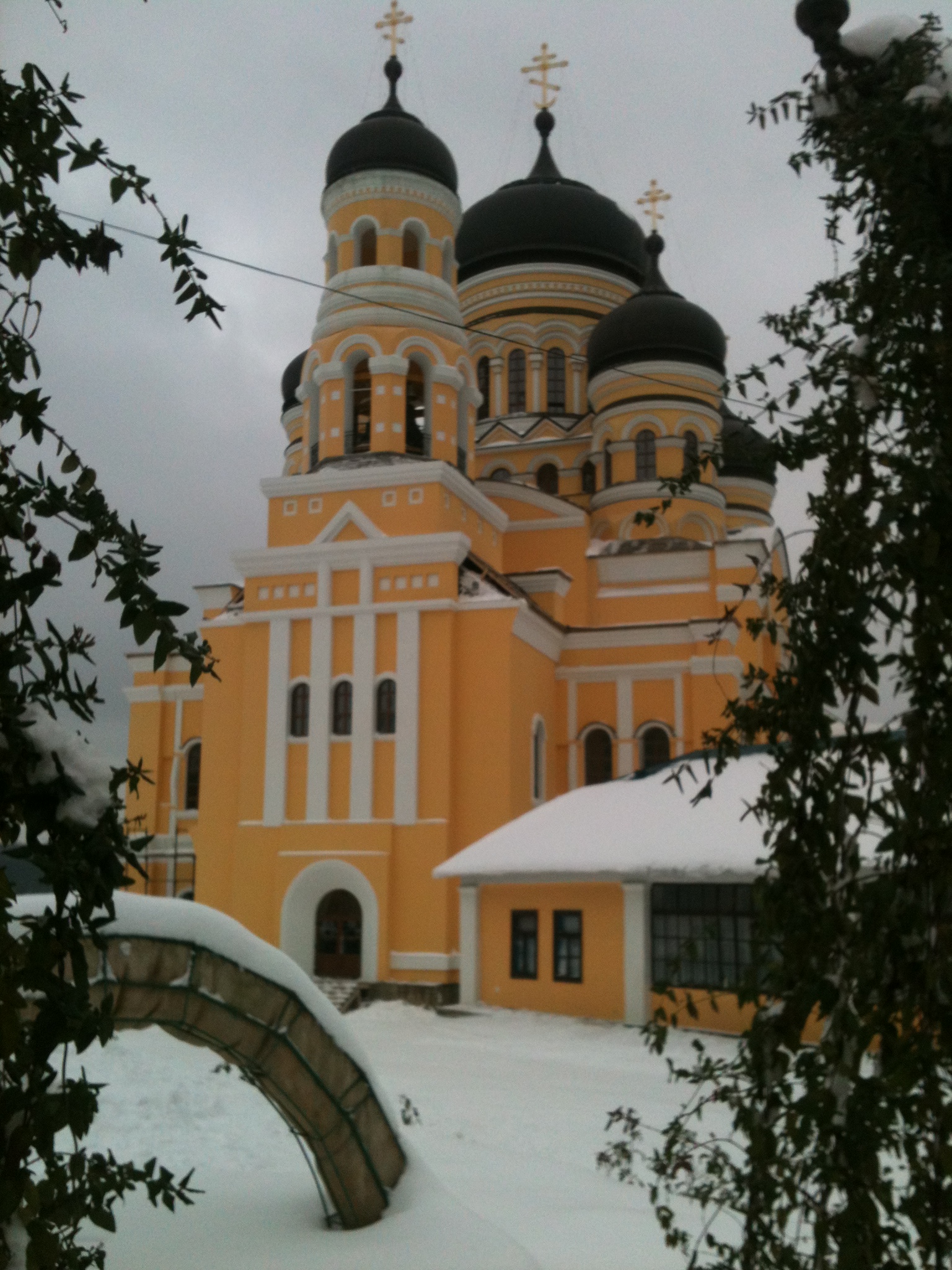


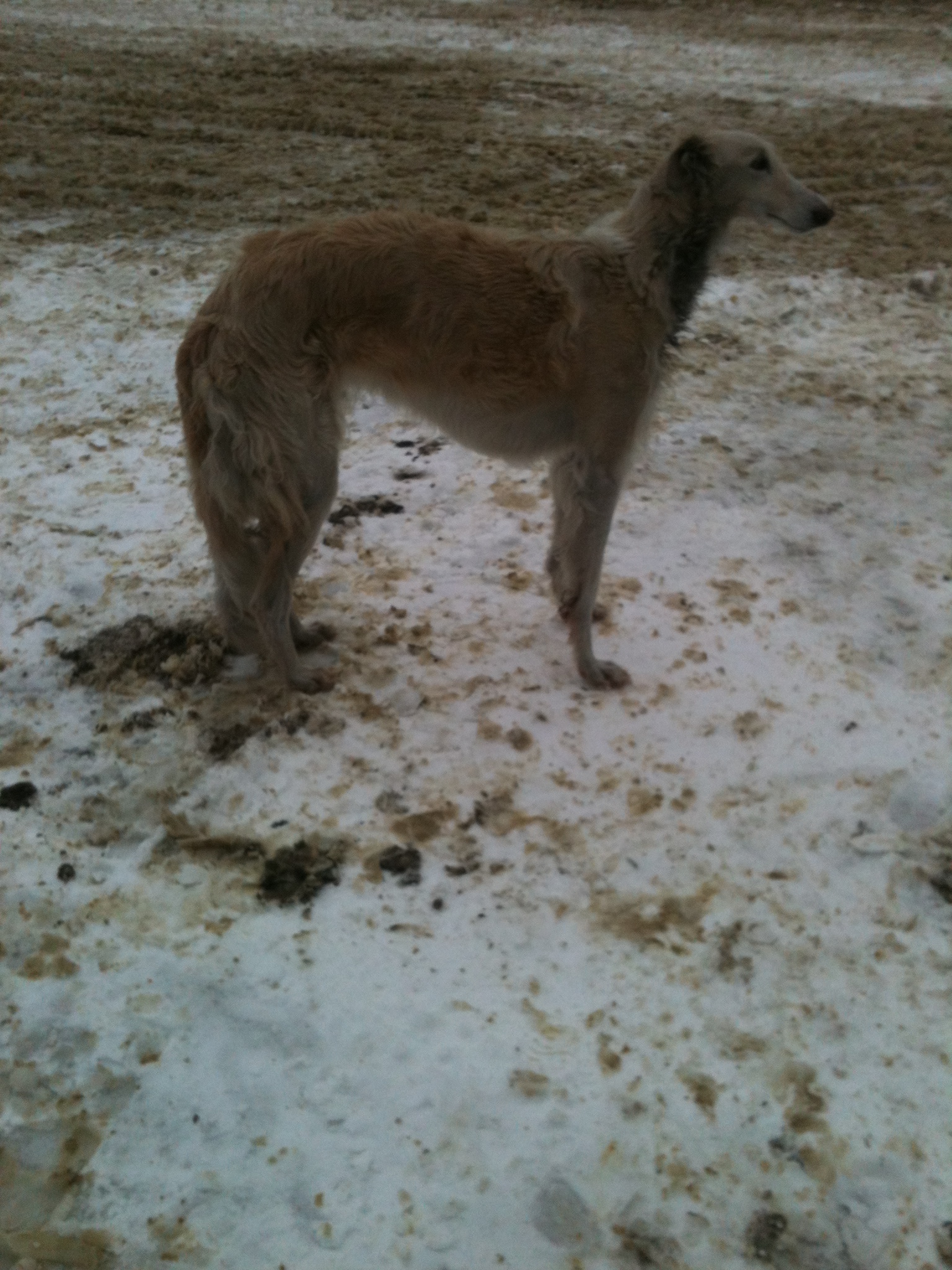



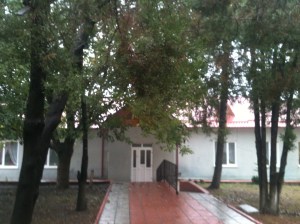


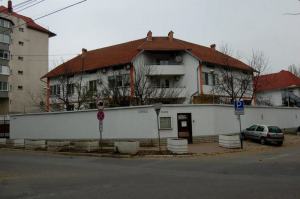
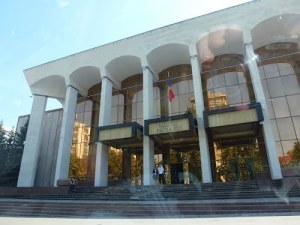

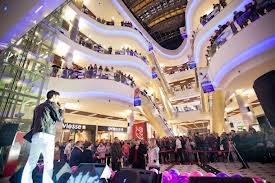


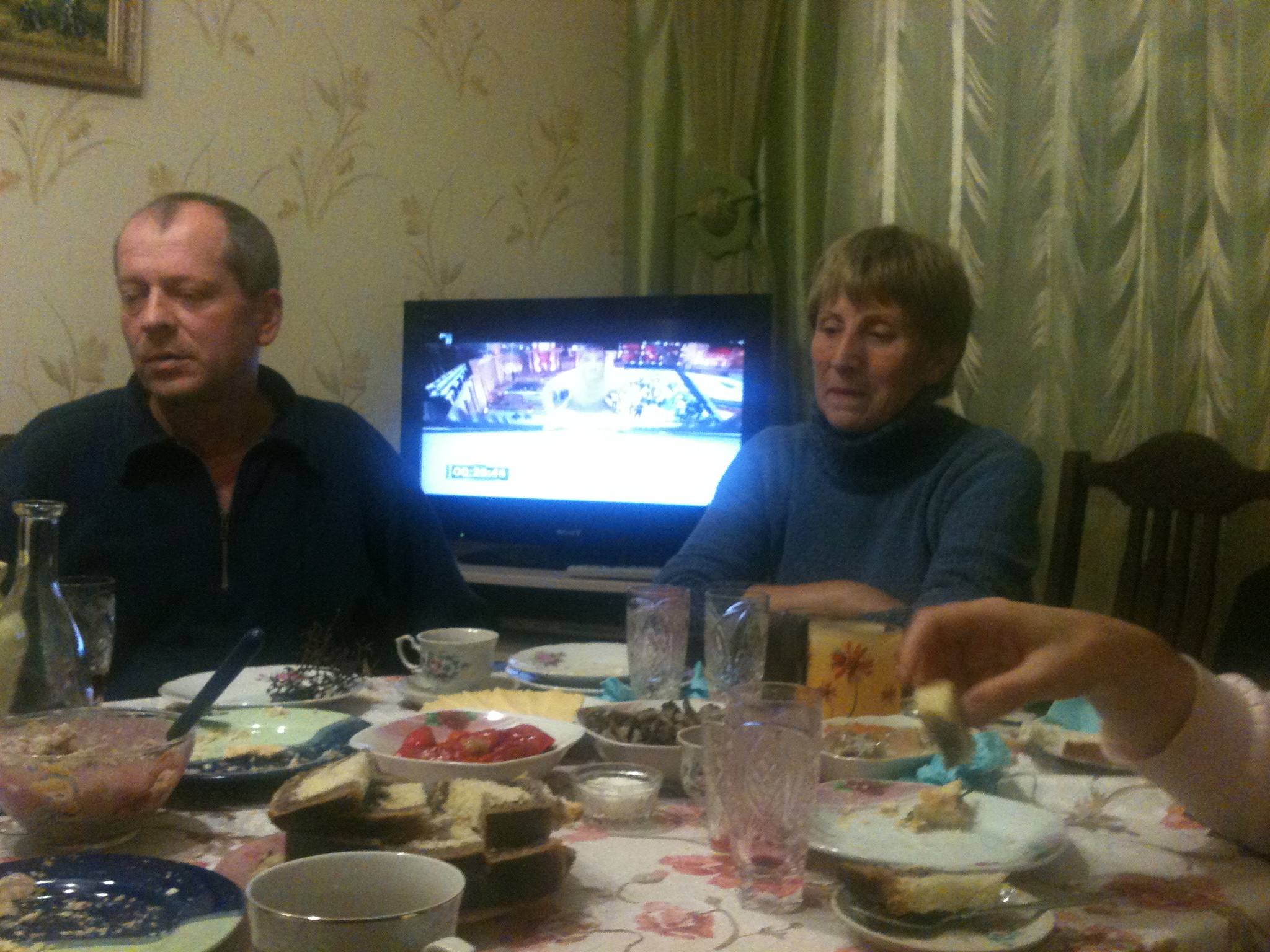

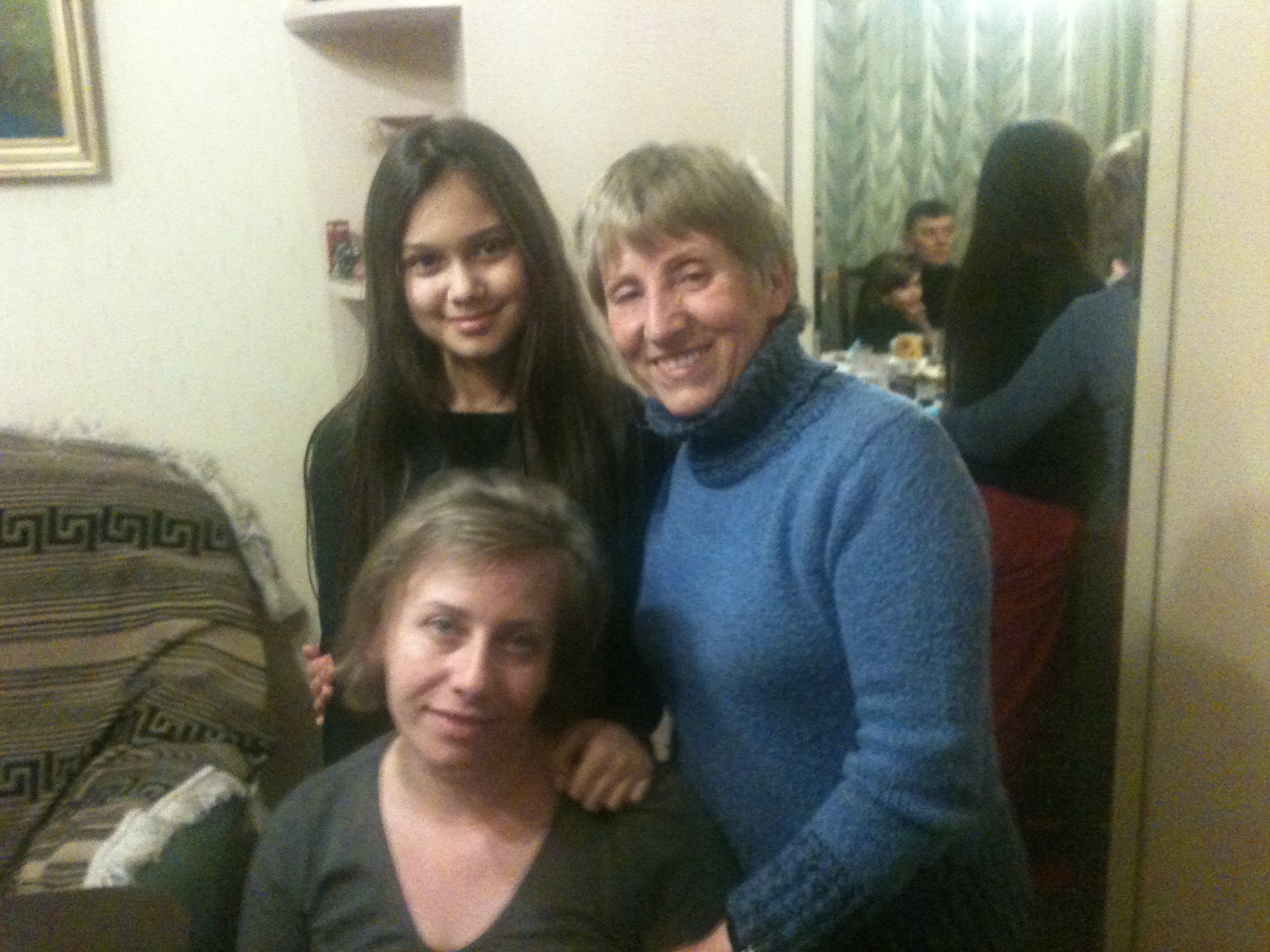
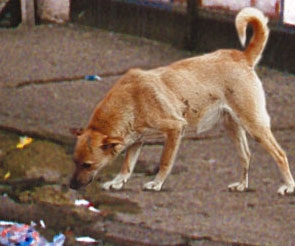


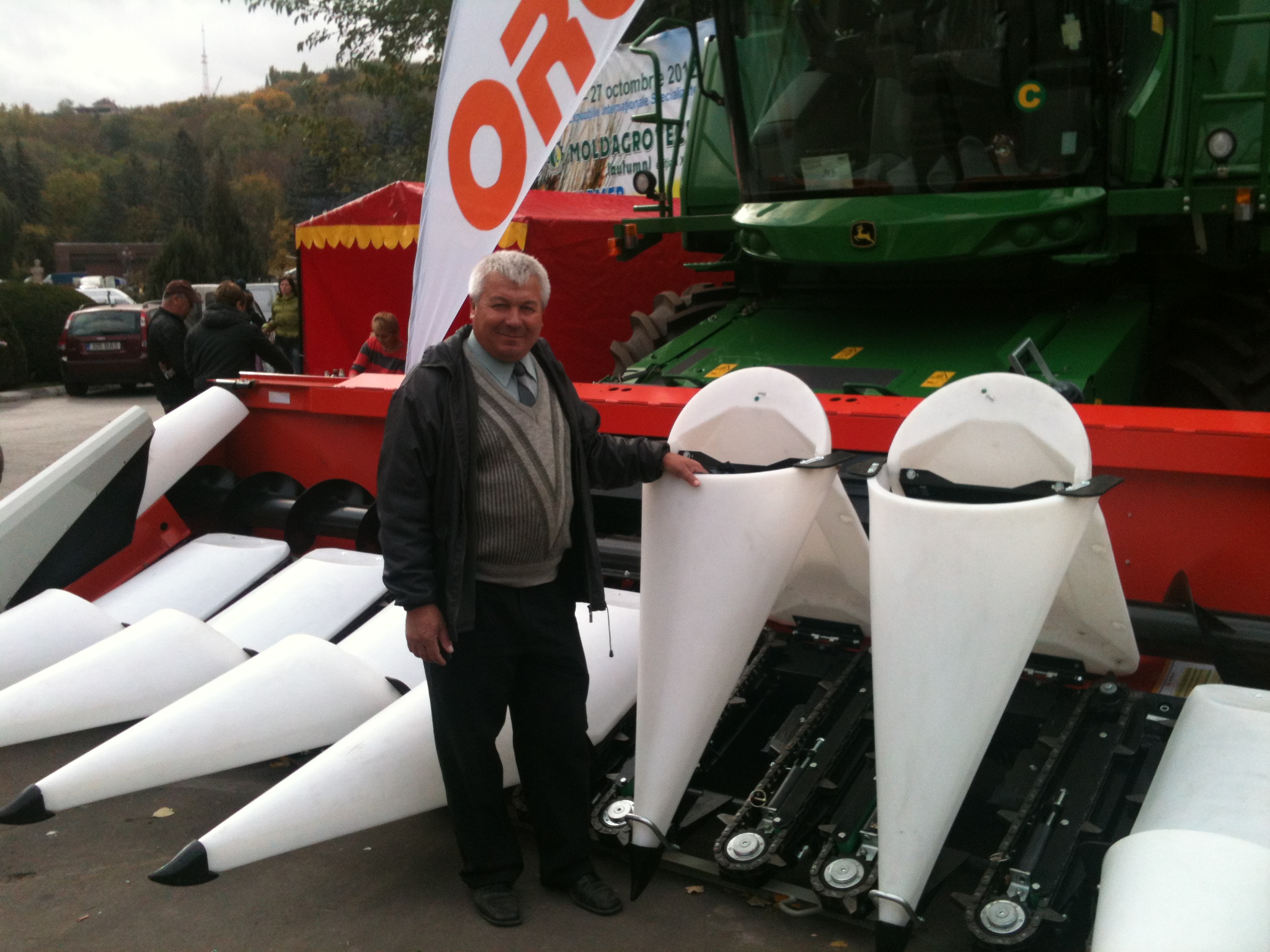


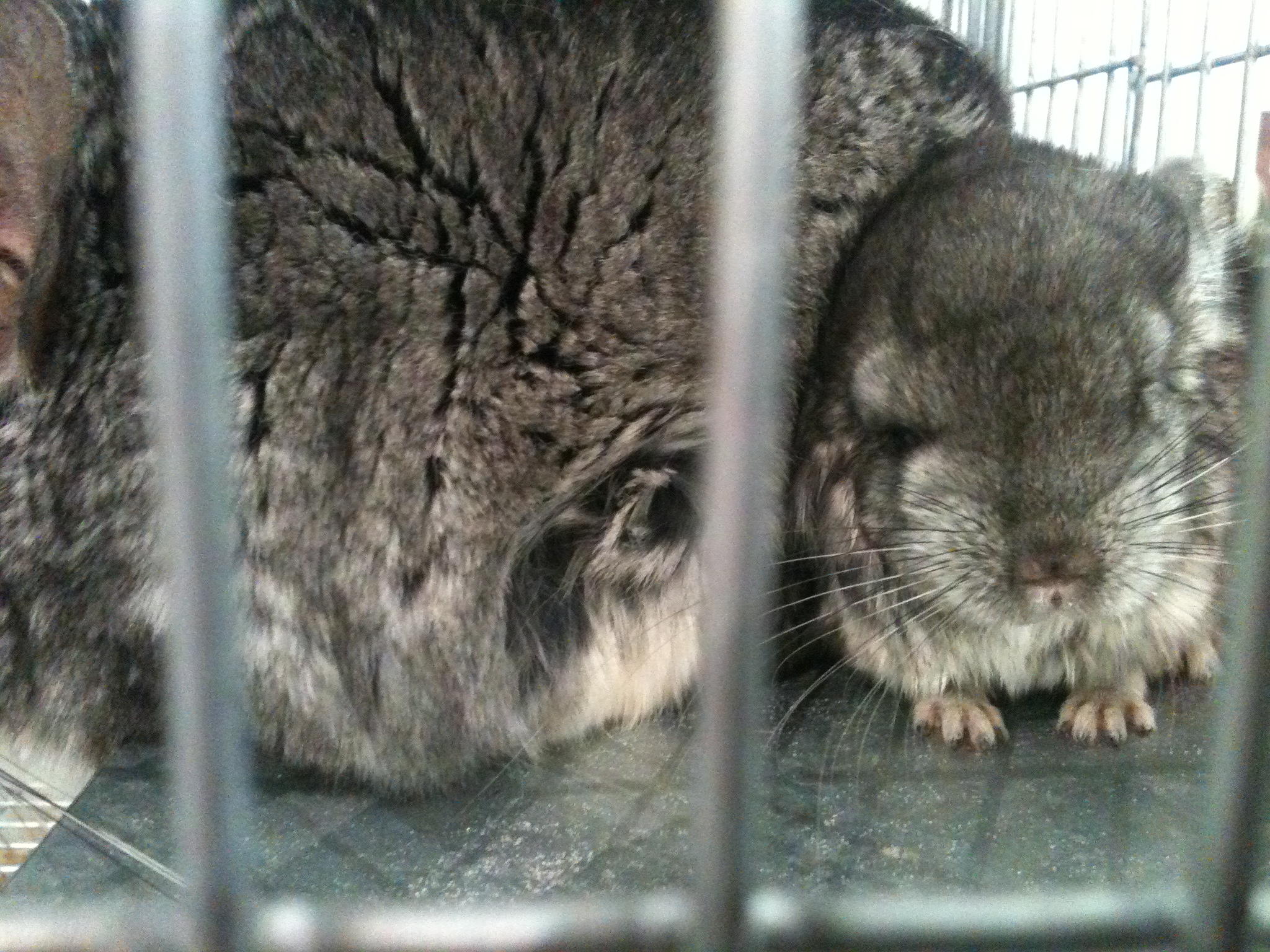
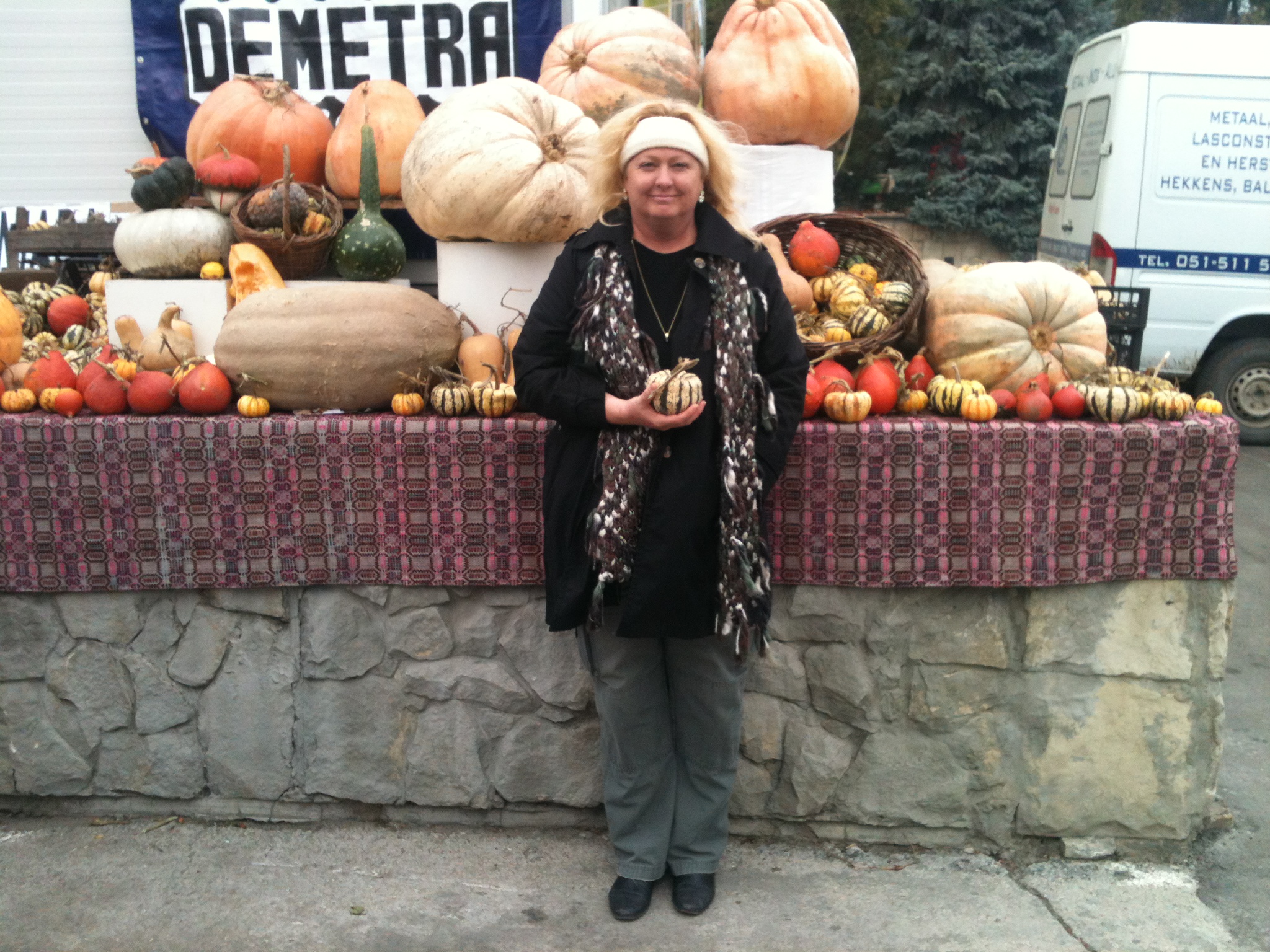

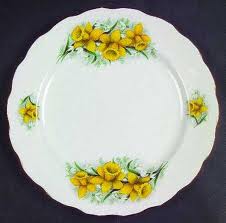

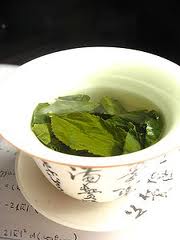



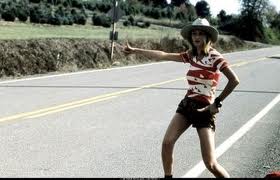

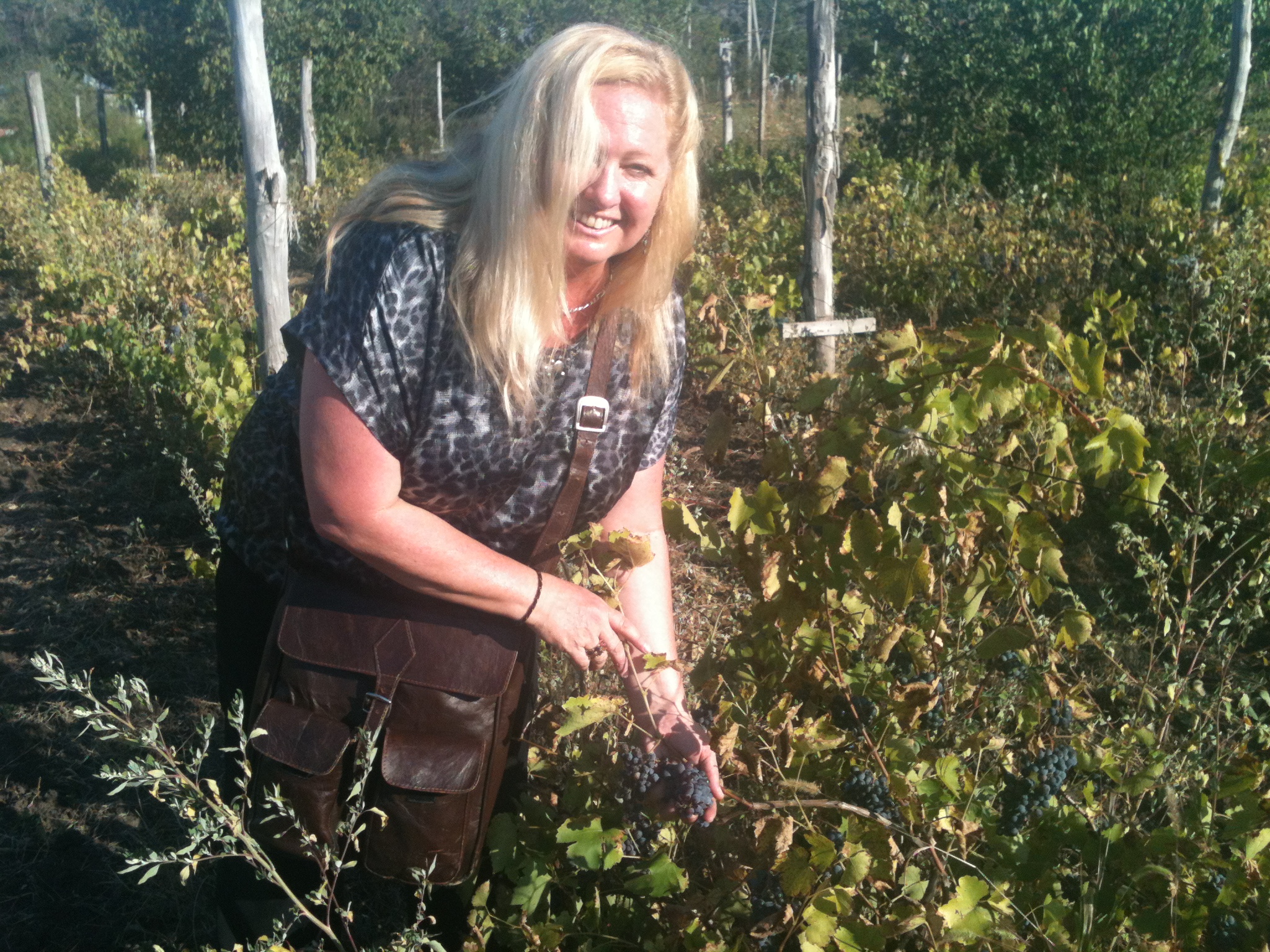
 From Now On I Live Mad