The first day of spring (Moldovan style,) my new partner’s birthday, a commemoration of war heroes (Transnistria and Afghanistan,) and my first day of work all coincided to welcome me to my new home today. What a day!
Lots of trees in Strașeni
Marțișor is traditionally celebrated on the first day of March in Moldova – never mind when the actual equinox occurs. Today was a perfect showcase for the celebration – brilliantly sunny with a bright blue sky ornamented with wispy clouds and framed by the bare, supplicating limbs of surrounding trees. The chill nip of the morning was offset by the warmth of the sun blanketing my shoulders as I donned a sweater (no down parka needed) and set off down the road for my first day at the office.
The road into town
When I arrived, Doamna Valentina presented me with a small bouquet for my lapel comprised of a red and white flower. This is a tradition here; both women and men wear these for the whole month of March and on the last day one is supposed to place it in the boughs of a tree and make a wish. True to Doamna Valentina’s reputation for thoroughness and efficiency, she presented me with three variations and a duplicate so I have sufficient resources to make it through the month’s end.
Marțișor lapel ornaments
My Peace Corps Program Manager wisely insisted that the Doamna Valentina assign me a partner in her office with whom to work other than herself. There are two reasons for this:
1) Peace Corps does not want to be perceived as providing “personal assistants” to political figures, which could be misinterpreted as favoring one particular party over the other, and 2) Mayors are way too busy to devote time to training and explaining tasks to a novice – especially one whose command of Românian is barely breaching middle-intermediate at best.
Poftim, enter Tatiana, my lovely, just-turned 23 partner who is the building and construction specialist for the mayor’s office. And who speaks wonderful American English as a result of two summers recently spent in North Carolina in a work-and-learn program. Tatiana – or Tania, for short – has a bachelor’s degree in construction engineering and is currently attending university in Chișinău to earn her Masterat (as they call it) in Real Estate. Not sure how that translates to an American degree, but there you go.
The lovely Tania at the military memorial
She’s an intelligent, ambitious young woman who was not afraid to stand up to those male professors who didn’t believe a female had any business in their classrooms. Her father is an engineer with his own construction business; apparently he is very successful and has engineered and built buildings throughout Moldova. She is intent on joining his business and carrying on the family trade.
Afghan and Transnistria war plaques
Almost immediately, Tania and I joined the entire office in a parade through the middle of town that ended in a gathering in a park to commemorate the “heroes” of the Afghan (1979-89) and Transnistrian (1992) wars. There was much singing and awarding and speechifying and more singing, and then some fireworks exploding (literally) five feet to my right and it was finally over after about an hour of standing in the still chill air.
Returning to the office we began to prepare for Tania’s birthday masa. In Moldova, birthdays are a bit more formal and serious in the manner in which a gift is presented to the celebrant. One stands and receives with grace both the gift and a stream of felicitous wishes and declarations to health, happiness, long life, success, money, and love, after which kisses on both cheeks are exchanged. Tania was receiving phone calls, bouquets of tulips (her favorite flower) and speeches from troops of co-workers entering her office for an hour before the meal began.
Tania’s father brought in a bucket load of food prepared by her mother; though neither attended the celebration her brother and his girlfriend stopped by. We fit about 15 people around the table to eat and drink homemade wine and cognac. It was a lovely way for me to meet everyone.
Everyone in Moldova is bi- or tri- (and sometimes more, what is that – quatro?) lingual – I feel quite provincial in their midst, but they laugh and tell me “If you know English, you know all you need to know.” They are quite excited to have a native speaker among them and are already clamoring for English lessons (the bane of PCVs everywhere….)
There are actually quite a number of young people in the office who speak passable English, either because they have traveled to America or have lived in Europe at one point or another or learned it in school. While it will be easy to drop back into English when the going gets tough, Doamna Valentina does not speak English and I must remember that it would be bad form to exclude her from conversations when she is present.
By the time the food was finished and the dishes cleaned and the furniture returned to proper placement, it was time for Tatiana to leave. Her birthday was just beginning and there was much to do at home to prepare.
I returned back to Neoumanist, the NGO that is allowing me to stay in the volunteer quarters until I find my own apartment. The apartment is actually in the building that serves as the senior day center, and I just taken off my sweater and set down my purse when a lovely melody arose from the front hallway. I opened my door to find four babushkas, complete with head scarves and wooden canes sitting on the bench outside my room harmonizing an old folk song together. (I tried to upload the video I made but my internet connection is too slow.)
I feel so fortunate that all the weeks of waiting have paid off – the people here at Neoumanist are all cheerful and upbeat and welcoming (and many of them also speak English!) The mayor’s office is a beehive of activity and everyone seems to get along well and enjoy each other’s company. I am living alone (!!!) and cooking for myself in a kitchen where I don’t have to worry about infringing on someone else’s domain. And I am 15 minutes from Chișinău, to boot.
I spent my winter vacation in Morocco – a lovely and exotic destination made more compelling by the fact that it is a Peace Corps country. As we enjoyed the sun on the beach, the flavorful food, the architectural splendor, the artfully placed tiles, my traveling companions and I had to continually resist comparing our PC experience with what we imagined a PCV’s in Morocco would be.
This particular blog posting from a Moroccan PCV is one of those that seems to have taken on a viral life of its own, I think because the truth she voices resonates so deeply with so many of us, both current PCVs and RCPVs, as well Peace Corps agency staff. (Be sure to read the comments below – they are a lesson in themselves and have continued on long past the original blog post date.)
As I reflected in my own comment on the blog, the grass may seem greener elsewhere when gazed upon from afar, but then again we may not realize why the grass is so green (when desert surrounds it) and whose playing ball on that particular field….
Having returned (and survived) six days of training, intensive language study, and meetings in Chișinău, I thought I would catch up those of you who care here instead of writing emails explaining my protracted online absence (sorry Mom!)
PDM – Project Design Management
(or, how to get your partner to finally believe what you’ve been saying all along)
Though many PCVs will complain about having to sit through trainings, in the end this one proved to be one of the more helpful ones we’ve endured. Although I am currently without a partner, I did attend and sat in on discussions between a couple of my friends and their partners. All of the volunteers I spoke with commented on experiencing that hit-yourself-on-the-head moment when they witnessed their Moldovan counterpart nodding in sage agreement to something that the trainer had said, usually a basic bit of standard accounting practice or how to properly state objectives or putting outcome measurements in place that were just not accepted or valued when articulated by the volunteer at site. (Of course, most of us have trouble articulating anything more profound than inquiring after someone’s family or refusing a third cup of wine, so perhaps it was all lost in translation.)
PC Moldova staff seems to understand and appreciate the basic cultural chasms that threaten to engulf all one’s good intentions and resolute cheer and hence schedule training at strategic points throughout one’s service in anticipation. This one definitely hit the mark. While it was somewhat disappointing to be there stag, it was good to be part of the general positivity and energy in the room for the two and half days of the training.
The nights are another matter altogether….
Because our times together as a group are dwindling, volunteers took full advantage of the opportunity to “be American” and hang out together in the big city. My preference for smaller groups and more intimate gatherings kept me generally out of the loop; the one night I did join in – Friday – I suffered the casualty of discovering my iPhone swimming in a puddle of red wine on a table where I had left it unattended for a span of minutes. The screen is now obstinately silver gray and I can only see the icons by holding it to a bright light and tilting it at an angle. Sigh.
Language Training
(or, stepping up to the broader conversation topics just beyond a third grader’s reach)
Although I am fortunate to have the services of a superior language teacher at site, many volunteers live so far out that they have no access to regular, quality language instruction. So Peace Corps provides this last little bit of help to launch us beyond subject-verb clauses into more meaty discussions containing direct/indirect objects, subjunctive phrases and maybe an adverb or two. Poftim.
What I enjoyed most about this two day session was the opportunity to speak at length with the instructor without having to remain on a third grade level. She helped us formulate our thoughts and clarify our responses to queries ranging from family dynamics (“Who should be responsible for finances in a family, husband or wife?”) to personal goals and objectives (“Is it important to strive for a good professional position?”) to the political arena (“Do you think Moldova would benefit from joining the European Union?”) It is wicked good to be able to converse with a host country national in their native language on topics beyond daily schedules and sustenance. Because I often times have trouble following the rapid speaking styles of most people here, I just can’t maintain my end of the conversation in these areas in most instances.
Sunday, through several hours of unhurried conversation, I discovered our instructor to be thoughtful, sensitive, hopeful, and a huge fan of Americans. She commented at length on how becoming a Language Teaching Instructor (LTI) for Peace Corps Moldova has changed her way of being in the world. When she was first hired, she went through a series of trainings that taught her about how Americans typically behave and perceive others, and it made her consider the manner in which she usually reciprocated – not only to Americans but even relative to other Moldovans. Now she understands and appreciates the value of exchanging smiles with people walking on the street, or cultivating relationships with the checker at the market, or being more empathetic with the fifth-level students at her school who chafe at rules and recitations. The Second Goal of the Peace Corps – helping to promote a better understanding of Americans in the people served – has an impact even within the context of Moldovan’s relationships with each other and not just for those who might conceivably travel or live in the United States at some point. This intelligent and inquisitive woman has gained a broader perspective of what it means to be human and I was very proud realizing that America had a piece in her learning.
Turul Moldovei 2013
(Or, the announcement you’ve all been waiting for…)
I am aware that every time I’ve happened to mention Turul Moldovei in this blog I’ve followed it with “more about that later.” Well, ‘later’ has arrived as I think it’s just now hit home to me and my fellow organizers that June is going to be on us in the blink of an eye. (Which is very strange to acknowledge as June will mean I’ve hit the half way mark of my service.)
One of my very good friends here, Sue, was sitting at the bar with all of us during PST – way back in July or August, so very long ago – and tossed out the observation that since this country was so very small compared to others where we could’ve been placed, we should just get together and walk through the damn thing, border to border – just for the heck of it! Because we’re Americans and that’s what we American’s do!
Well, we all thought this was a jolly good idea (beers having been consumed, after all) but instead of just letting it die in the puddles on the table, we’ve nudged it along through the ensuing months and actually gave it some legs during our last training in September, when we held an interest group session to communicate the idea to the other volunteers, until now it has suddenly become bold enough to star as one of two main events recognizing the 20th Anniversary of Peace Corps Moldova. Whew!
In a nutshell, two groups of volunteers – and, hopefully, lots of Moldovans – will be walking either a northern or southern route from June 15 – 30, meeting in Chisinau on the final day. We will be holding events at each stop along the way to highlight the accomplishments of Peace Corps Moldova, to create visibility and excitement for volunteering in general, and to celebrate an active and healthy lifestyle. We will be sleeping under trees, on school room floors, in community centers (or with the pigs, cows, and chickens, for all we know,) as we are relying on the villages to put us up at night and provide us food after the day’s event. It is in an excellent opportunity to broaden America’s visibility to those Moldovans who might not ever leave the intimate world of their small town and for us to get to know those who have been so hospitable and kind to Americans throughout our service here. I am really excited about this (though I am not sure my diva knee will let me walk the entire 200-260 kilometers!)
I am collaborating with Sue and a Health Education PCV to steer the work on this project and have just volunteered to write the proposal for a PCPP grant. Peace Corps Partnership Proposals allow volunteers to seek funding from organizations and individuals in America, on a tax-deductible basis, for projects that build capacity or transfer skills to host country nationals. Though I am not yet entirely sure if our project will meet the strict guidelines, I do hope that if it comes through many of you will consider making even a token contribution. It is a way to create and sustain a bridge between my two lives and for all of you to collaborate with me in making a lasting impact here that will resonate long after I am gone…
Fair warning: Not entirely unlike my others, but certainly to a greater degree, this blog is entirely self-involved and navel-focused. If you generally read my postings while half asleep, this one will put you there in no time. If you’re in a really good mood, you should probably put off reading it for another day. If your bored already, it just might do you in. There are no beautiful pictures or entertaining anecdotes to amuse you. How’s that for putting off any potential readers? But of course, I’d appreciate the audience anyways….
You know how it is when someone (usually a parent or spouse or sibling) tells you something that you feel like you already know and you kind of nod your head and simper, trying to look attentive and appreciative, but inside you’re saying:
Got it covered. I’m capable!
Okay, come on now, we both know I’ve been alive for more than two decades, for pete’s sake!
I know this already. I know this already. I know this already.
Really? Do you imagine I’m that stupid?
I grew the ef’’n turnips this bloody truck is sending to market, give me a break!
or some other such permutation of narcissistic arrogance? Such is the case with most of us potential PCVs who scan the provided literature, nod our heads sagely, and then proceed to jump up and down with enthusiasm and glee before eagerly putting pen to the dotted line. Of course there will be frustrations and the need to adapt and periods of ambiguity and challenge, but it is all part and parcel of the grand adventure and the mind-altering journey and the uplifting opportunity to be of service and the blessing of subsuming humbly to a greater good….of course I can handle it! I am Ghandi and Mother Theresa and Martin Luther King and Albert Schweitzer and Sargent Shriver all bundled up in one tidy little package, ready to be shipped overseas!
Yeah. Let’s talk about that.
See, this the thing that I’ve come to believe about us Peace Corps Volunteers. If you look real close, I bet you might find many of us (not all mind you, one can never generalize to that extent) to be hyper-inflated, self-engrossed, experience-greedy, over-achievers masquerading as retro-liberal, greater-good-minded, altruistic missionaries spreading peace and friendship. The Peace Corps is a relatively difficult organization to join, given the lack of motivational pay and impoverished living conditions that must be endured. The big prize you get is the untarnished badge of courage. You immediately and effortlessly earn the gaping admiration of all of those back home who sing a chorus of wonder at your bravery and selflessness. How can you do it, they ask? Leave friends and family and the comforts of home to strike out for the great (unwashed) unknown? What a saintly soul you harbor in your humble breast!
And soon, you imagine, you will be in the position to gratify their approbation by sharing swashbuckling tales of humanitarian magnitude: how you single-handedly assisted the overworked midwife delivering a baby in the fly-specked hut; constructed stout sewers to port away disease-mongering filth; funded innovative treatment plants to make the village water safe; plaited purses from gum wrappers to help domestic violence victims achieve economic independence; built schools out of mud and straw to educate the next generation and hospitals to treat the discarded and greenhouses to feed the hungry and windmills to power it all, and oh, by the way, taught English to would-be social entrepreneurs in your spare time, all the while knowing you were icing your resume and weaving a global network of potential partners and acquiring powerful contacts in embassies and international NGOs to assist your ultimate goal to travel the world and live in exotic locations on someone else’s dime.
Except when you can’t. Because you haven’t done anything to merit even the smallest bragging rights that you assumed as your entitlement once you debarked the plane.
Ok, I probably sound cynical. But you’d be surprised. Or maybe you wouldn’t Maybe it’s an unaccountable naivete that has heretofore blinded me to the self-aggrandizing ends that serve to motivate some of the best work done in this world. Poftim.
Something inside me has always impelled me to achieve, at times without a larger purpose or vision, but always to prove that whatever I undertook I could accomplish well. I don’t know if it was the oldest child syndrome, or a sublimated competitive drive that didn’t get expressed through sports, or just a preference for directed action as an occluding buffer against the persistent whispering of samsara, but I’ve prided myself on my ability to perform above average in most professional and educational circumstances, thereby cementing my sense of self-worth and bolstering other’s opinion of me. (Of course, I didn’t go to Harvard or work for Apple, so my means of testing myself were pretty confined.) I didn’t expect to be seven months into this endeavor with not a damn thing to show for the time but a remedial ability to speak a provincial language and a healthy case of psoriasis. Here I am, an unremarkable thumbnail (in the immortal words of Sue!) on the Peace Corps’ global screen of achievements. There are many, many other (most, much younger, I might add) PCVs who are succeeding in ways that I’m not even close to touching at this point. My resume looks pretty bland and the address book painfully thin.
At the end of December, my partner left her position with the organization where I was placed in August after my Pre-Service Training. Because Peace Corps assigns volunteers to a partnership rather than an organization and because, for a variety of reasons, there was no alternate partner for me there, I had to leave, tail between my legs, along with her. The time preceding this ignominious, inconclusive end had been fraught with frustration and inaction. Our hands were tied on so many levels that we faced the impending train wreck like helpless maidens forsaken on the rails by a faceless agent of doom. Fortunately, I had a two week vacation scheduled just about that time which provided a needed (and very pleasurable) measure of distraction, but since the second week of January I have been sitting in my room, trying not to dwell on my ineffectiveness by watching movies, reading books, snacking more than I should, and avoiding YouTube videos that could be teaching me how to knit. (This last activity just seemed to be too sad, launching me into full-fledged spinsterhood WAY before my time.)
The experienced PCV will tell you that winter is a period of hibernation in Moldova: from the beginning of December through mid-January, there are a steady series of holidays that mandate a great deal of eating, drinking, and dancing, but after that most Moldovans hunker down to wait out the cold and the snow. In contrast to your typical Americans, who greet the New Year with to-do lists, grandiose resolutions, new cookbooks and expensive gym memberships, Moldovans seem to accept Mother Nature’s cyclical guidelines and slow down their activity levels during these frigid months. Hence, it is not the best time of year to go foraging for a new partner.
I have received much good advice from those who have been here a year or two longer than me. “Slow down, take it easy, appreciate this time of reflection. Let go of the compulsion to be so American, the need to do, do, do. Learn to follow gracefully the seasons’ lead and relinquish frenetic energy to these meditative months of withdrawal and inactivity. And this is very good advice. (Remember that head nodding and simpering?) Advice that I imagine will be much easier to apply once I have another year under my belt and can reflect back on a spring, summer, and fall replete with a small successes, challenges overcome, and the fruits of my labors gleaming, plump and robust, in the storehouse of memory.
I find that I am not productively managing the acres of empty hours stretching before me. While part of the incentive for joining the Peace Corps, believe it or not, was the thought of those empty acres that could be cultivated with writing and journaling and blogging and researching publishing avenues for the next generation Eat, Pray Love that I intended to compose during my time here, the tillage period has proved to be never ending and the seeds of experience are slipping through my fingers like sand. I can’t grasp onto anything tangible to prove my mettle or worth, have produced nothing remarkable or noteworthy, haven’t had an iota of lasting impact, and the friends that I made have scattered in the aftermath of the events that blasted me from my site.
Perhaps it is more that I feel guilty. As if, like the proverbial grasshopper versus the industrious ant, I have somehow neglected to provide for my own nourishment during these lean times. I am restless and unsettled and have a perennial churning in my gut. The future is uncertain and the recent past a wobbly structure not capable of supporting my current anxieties. Like those fraught filled moments when you teeter at the apex of the roller coaster before heading down, I realize that I put myself on this ride but at this very moment I can’t quite recall why I imagined it would be fun.
This experience is altering me in ways I didn’t consider but probably need. While I am not one to steer my ship by someone else’s stars, I realize now that, after I have plotted my course of action, I typically seek the comfort of external validation before proceeding . This time, for the first time – at 51 years old, no less – I find myself on my own and surprisingly lost at sea. I joined the Peace Corps, received my standing ovation, and now the lights have dimmed and the audience departed and am left in an echoing auditorium to contemplate how minor role my role in this drama could turn out to be.
No one else, not even another PCV, can comprehend my extant situation clearly or advise me on the best course of action or whether action is even possible or necessary. All further lines and plot developments are shrouded in mystery, author unknown as of now. We come into service by ourselves (excluding the married couples) and will need to make decisions and move forward – or sideways or backwards or downwards or not at all – on our own. So this characteristic of mine to think about a problem from every angle, but then perform back up analysis through another’s viewpoint in order to most thoroughly anticipate and manage possible repercussions and outcomes, is completely thwarted here. Plus, I am not able to assuage my need for confirmation of my decisions by others who can be counted on for support and hoorahs.
Seemingly out of the blue, though (but perhaps not,) in response to an incoherent whine about my befuddled mindscape, my brilliant pen pal offered me a bit of sage commentary (completely circumventing my argument above that no one can offer me relevant advice):
Maybe you can’t know ahead of time about any of it. Maybe the best thing can’t be figured out by you with what you know. Sometimes something brilliant comes along that we couldn’t have figured out ourselves, and in fact we might have shunned as a lesser choice. And it turns out that the universe, or whoever, knows more than we do. Are you able to let go, relax, and just see what happens?
I find myself mired in circumstances that I don’t have much control over, but maybe that’s the point: these are circumstances I don’t have much control over. I am not able to consume myself with planning and strategizing and plotting and thinking and being brilliantly proactive in anticipating every nuanced outcome, then parading my analysis before my peers for applause and approbation. At this point all I can pretty much do is throw my hands up in the air and yield to the organ-unfurling plunge. Hopefully, the ride will turn out to be as amazingly mind-blowing as I once was so certain it would be. Meanwhile, my mental furniture is being forcibly rearranged and refurbished by concepts that I would never imagined entertaining previously. Like age and experience doesn’t always equate to an advantage in any given circumstance. Or that logic and reason can effectively inoculate one against unexpected fall outs. That the virtue that develops from patience is not one of one of spiritual calmness enveloping frustrations in a soothing blankness and calming worries to sleep, but the protective, hide-like callous born of constant friction, irritation, and sometimes pain that allows you to endure without seeking surcease from the torture.
So the one blessed thing for me right now, I’ve suddenly realized, is that I have created this megaphone to scream through when I need to, this outlet for stultified activity, this navel-gazing blog – my somewhat ironic tribute to the third goal of Peace Corps: Helping promote a better understanding of other peoples on the part of Americans by complaining. And through that process I have received so much unexpected support, encouragement, empathy, and love from people back home that I feel like I have a virtual bridge I can walk across online anytime to seek out a hug when needed. I am so blessed. Not by what I’ve done, but by what I’ve received.
And maybe the Peace Corps experience, in the end, will prove to be an exercise in developing and formulating better Americans, both those that go and those who witness and encourage them – despite all the setbacks and disappointments and early terminations and unrealized expectations and unattained goals – from home. Maybe it’s good to know and to experience the fact that we – dare I call us a land of hyper-inflated, self-engrossed, materially-driven, over achievers masquerading as the world’s superhero? – cannot and therefore should not attempt to make over other countries and peoples in our own rather distorted image. Maybe this journey is about humility after all, about NOT succeeding, about being at the mercy of forces outside of our control and still doing one’s humble best to influence them for the better and smile during the process. Perhaps I need to take a back seat and just shut up and enjoy the ride.
I certainly hope that I am providing some measure of insight into this journey to others whose bravery and courage is not set on a global stage, but is attained through less visible but no less remarkable endeavors closer to home. My own process of self-discovery is revealing how thoroughly and completely American I am, through and through. And that is neither a wholly positive nor irretrievably negative attribute. But it does color what I choose to attend to, the depth and volume of that attention, and what effect it may have on its object. With half my life already lived I realize that there are aspects of myself that I have never met – unexamined expectations, assumptions, limitations, and aspirations that might be better served with a dose of patience. Teach me, Moldova. I think I’m finally ready to let you drive.
PS: And to all of you prospective volunteers out there reading this blog in hopes of getting an edge on what the future holds, let me just reiterate what you’ve already been told and probably passed over blithely a hundred times already (and will not absorb any better this time either, because you just can’t.) You won’t know what it’s like until you do it and you can’t prepare for it ahead of time because no one can describe the exact circumstances that are even now conspiring to thwart your thralldom to Peace Corps and undermine your determination to be THE best volunteer ever who never complains or sees anything but the positive and describes her 27 months of service as the nexus of all that she aspired to be and learn in this world during the press interview for her surprise, runaway bestseller. But do it anyway. And bookmark this posting, because after you have confronted and endured your own thousand foot drop I’d love to hear how scary/mind-altering/exhilarating/humbling/educational the ride proved to be. Let’s compare notes and celebrate surviving the Peace Corps roller coaster!
One of the interesting things I’ve noted about many PCV blogs is how much time falls between a vacation and the recounting of its particulars in a post. I used to attribute that to all the work that must have backed up in the person’s absence: she just needed time to play catch up. Now, having taken my first out-of-country vacation since coming to Moldova last June, I think I understand the real reason for the elapsed time is the need to get a more objective perspective on the experience. But you all know me better than that by now. To hell with perspective. I write it the way I feel it, fresh from the press. Though I did wait a week for at least a little cushion….
The first thing I noticed was the air’s amiability, its willingness to billow lightly like a cotton sheath about my body and refrain from teething its way into the crevices of my garments. I hadn’t quite prepared for it, having kept on the tights and the leggings under my sturdy canvas hiking pants, donned my jacket and wrapped my scarf about my head as if I were still gearing up for a bracing march through the hinterlands when we disembarked from our taxi to walk the 200 yards to our riad. To say that I over-prepared is an understatement. All through the trip I was amused by the jackets and hats sported by other tourists: apparently they must have traveled from warmer climes or possess a much lower personal thermostat than mine. The weather, usually in the low 60’s, felt balmy to me.
The next thing to snag my attention was the juxtaposition of colors, textures and patterns: tiles, pottery, doorways, spices, lanterns, robes, scarves, vegetables, the damn paint on the buildings – everything was riotously colored and intricately detailed, formulated with an appreciative attention to beauty, artful in its mere placement. After bland, non-descript Soviet architecture, mono-ethnicity, and the narrow range of winter food stuffs I left in Moldova, the richness of the Berber/Moroccan culture was a symphony of the senses. (To give you an idea, I took over 500 pictures – only 10 or 12 of them have a human subject. I was taking pictures of our dinner. I know Mom, I’m sorry.)
But by the time we were lost in the souk – the meandering maze of ancient shops that comprise the heart of the medina – the small irritation that would soon bleed into almost every aspect of the trip had blossomed. I had temporarily forgotten, sitting in my Moldovan bedroom dreaming of sunshine and spices, that yet again I was placing myself in the role of “tourist” in a foreign economy heavily dependent on consumer cash. This experience had irretrievably affected me during my trip to South America and was compounded last spring when I traveled with a group to study poverty in Guatemala. I did not exist in Marrakech as a unique individual arriving to engage with a new culture and people, ecstatically anticipating all the personal encounters and experiences that would litter my path, but rather as a walking wallet, bulging with money that enticed the vendors to the greatest heights (and lows) of fatuous flattery, witty double entendres, crafty cajolery, pitiful pleas, and – unfortunately outright resentment. Everywhere we went we were trailed by a cacophony of calls, some of it with physical accompaniment – an arresting hand on the arm, a body blocking your egress, or a hovering shadow trailing you to the next stall. Echoes of former trips returned to me and I think I was more immediately and negatively affected by it then my traveling companions. Admittedly, I was a tourist. But I think I had wished to pay for an experience more than I wanted to accumulate talismans. I did not do a good job of planning ahead to avert this. Next trip, I hope to remember this lesson and avoid the marketplaces whenever feasible.
But there were highlights: a trip out into the desert to visit a Berber village with a pit stop at an argan tree co-op where various health and beauty concoctions were formulated on site. (Thought the end result was a sales pitch, it was interesting to see how the seed was ground into oil and to learn about the miraculous benefits of this ancient oil.) We hiked up to waterfall and had lunch at a quaint café while being serenaded by a local troupe of musicians. We road camels on a beautiful stretch of largely empty beach. We watched the sunset from the ramparts of the medina wall in Essaouira. We met lovely people working in the various hostels and riads where we stayed. We ate at Rick’s Café in Casablanca.
And the beauty of the place won out in the end. All the colors and the history and the wealth of architectural detail coupled with the soft ocean breezes and the beautiful, warming sun – we couldn’t help but fantasize how different our PC experience might have been if we had been placed in Morocco, instead. (And then I happened upon – completely serendipitously – this blog by a PCV Morocco today and my wonderings were assuaged: http://quinninmorocco.wordpress.com/2013/01/01/peace-corps-is-not-the-greatest-international-development-organization-in-the-world. The PC experience is essentially the same wherever you land.)
I returned last week and am currently in a (very frustrating) holding pattern. My site closed at the end of the year and Peace Corps is assisting me in finding a new partner. But it a long, slow process, fraught with many pitfalls and u-turns, so far. It is hard to start off the New Year with no clear direction, no work in hand and none in my sights so far. But this is Peace Corps….poftim!
Today, in the course of a conversation between a German consultant visiting my center and my partner, the notion of a “Potemkin village” was used to illustrate those aspects of Moldova that can be so misleading for foreigners who try to understand how life works here. My partner had never heard this term, so we related the story (which experts now claim to be myth) of Potemkin erecting only the facades of settlements along the banks of the Dnieper River in order to fool Catherine II during her visit to Crimea in 1787; Potemkin wanted her to experience the area as more densely populated, flourishing and productive than it actually was. Oddly enough, my partner seemed to have trouble understanding the point of the story, almost as if it was perfectly natural for a government official to perform this sort of manipulative trick to impress a powerful benefactor. Such is life in Moldova.
Earlier this week, I received a request to relate the more mundane details of my weekly routine: what do I actually do here from day to day, what is my environment like, who do I encounter and where do I go? And as I thought about responding to this query, it occurred to me that my days are full of these Potemkin villages – the contrast between what is available to me as a Peace Corps volunteer versus what ordinary Moldovans can access; the wide range of locales that I visit and the varied people that I meet in my work and through the Peace Corps. Nothing is really as it seems, and all it takes is a scratch to the gleaming, brightly hued plastic surface to see the iron and rust lurking beneath.
Five Days in the Life of a Potemkin villager
Day 1:
I awake. Lindsey, a fellow volunteer now living in another village, has spent the night for convenience sake. She and I do a language lesson together on Wednesday mornings from 9-11 with our tutor, using the opportunity to converse with each other and receive immediate feedback on grammar and pronunciation. Peace Corps will pay for any volunteer to receive up to 12 hours per month of professional tutoring in Romanian or Russian, depending on the language needed for his or her assignment. I take full advantage of this and it is definitely one important way that Peace Corps invests in local economies throughout the country.
My tutor’s apartment building behind the billboard.
After my language lesson, I literally cross the street from my tutor’s third story apartment to my center. My partner, the center driver and I depart immediately for the Chișinău airport to pick up a consultant flying in from Frankfort, Germany. We negotiate the snow and ice and arrive at the airport prior to his plane landing, so we wander through the shops and restaurants in the small but modern airport that I barely remember seeing when I arrived in a stupor at the end of a 36 hour journey last June. There are many officials going in and out of various doors in full fur coats and leather boots, looking important and fully occupied. There is large Christmas tree decked in splendid regalia on the second
Chisinau airport – exterior
floor and the aroma of brewing coffee and yeasty breads fills the air. Puffy children in pastel hats, mittens, snow boots, and parkas waddle about like mini-marshmallows. (No one wants to peel off layers of buttoned, zipped, velcroed and snapped clothing for such a short amount of time. They are so adorable I want to eat them.)
Chisinau airport – interior
I use the notepad on my iPad to write the German consultant’s name in big letters. My partner and the driver are entranced by the invisible mechanics of such a thing, fascinated that my finger can bring forth words on a screen. They peer at the letters closely and giggle.
Once having obtained our German, we depart the airport and are soon winding through a maze of twisted, pot-holed streets in the outskirts of the city. I realize that this is not the direction home: “Unde mergem?” Where we are going, I ask. “Scuzați, Yvette! Mergem să cautem brad am vazut pe internet ieri.” We’re going to find a Christmas tree my partner saw on the internet yesterday. Not at a store, mind you. Somewhere in this nest of crumbling apartment buildings someone has offered a tree for sale. So the German and I are left in the van to become buddies while my partner and the driver begin a lengthy search on foot for the tree. I try to explain to him that this is normal in Moldova – one maximizes trips into the city by performing a multitude of tasks when there. He nods sagely and relates that much the same is true in India, Afghanistan, and Kazakhstan, places he has visited for work on a multitude of occasions. I am oddly excited to have Moldova lumped in with such exotic locales.
My partner and the driver eventually emerge with a green stick that, upon closer inspection, proves to be an artificial Christmas tree. It possesses four or five bent, sparsely-leafed branches and has definitely weathered its share of holidays. Sigh. Even developing countries have fallen prey to Christmas plastic.
Day 2:
I spend the day attempting to negotiate the niceties for our German guest. He needs to change money, so we drive him to the nearest ATM (which is literally a block away, but no one walks in Moldova if the luxury of a “mașina” is accessible.) It takes three attempts for him to understand how to operate the machine. Meanwhile, it has begun to snow. He wants to stop every few steps as we head back to the car to finish telling me a story – his wife has admonished him not to walk and talk simultaneously when it’s icy. I am freezing and I can see my partner sitting in the front seat of the van wondering what in the heck we’re doing.
After retrieving money from this thoroughly modern convenience (accessible in Russian, English, Romanian, and French,) we drive to the local indoor piața to buy food for the dinner we are hosting at the center to celebrate its year anniversary and search for the cinnamon that the German wants for his breakfast toast. There we encounter entire sides of beef, legs of lamb, livers, tongues, chickens with feet attached, and fish complete with heads, scales and fins. Mounds of homemade cheese (called “brinza”) balance atop rickety wooden tables next to recycled plastic bags replete with unshelled walnuts, dried fruit, wrapped candy (manufactured in Moldova), and two liter water bottles refilled with milk. Bare, bloody hands transfer meat from table to scale to bag. Nothing is sanitized, inspected, or refrigerated, but – since it’s probably only 30 degrees – I tell myself I will not be concerned. Vagabond dogs wend through the table legs nose to concrete sniffing for scraps. Men are smoking in clusters around the meat and fish; their ashes pepper the swirling currents of air. At least its winter so there are no flies. Needless to say, there is no cinnamon.
Day 3:
My center
During a feedback meeting with the German in the afternoon, my partner begins to cry. The beautiful façade of our center with its brightly colored murals, ergonomically-correct high chairs, handicap friendly bathroom, frothy curtains, and cartoon stencils is suddenly peeled back to reveal the seething cauldron of problems that sources her daily tears. After listening for an hour or two as I attempt to translate and summarize the various administrative and funding dysfunctions besetting the center, the German proposes the very same list of solutions that I so eagerly proffered mere months ago. He is met with the very same stubborn rebuttals and intractable arguments that were shoved back to me.
I explain to him that this Moldova; we are both liberally-educated, professionally-networked, culturally
Lyrical ode (in Romanian) to the hope and joy that children bring
privileged, westernized people using our analytical skills and inherent activism to tackle issues that have arisen in a foreign environment, that were born of a much different experience and informed by perspectives we don’t share and will most likely never understand. I see his shoulder sag subtly as he begins twisting his hands in his lap. God, I know the frustration he is feeling, mind scurrying from scenario to scenario, trying to find the invisible thread leading out of this tangled web back to sanity. I want so badly for him to find it where I’ve failed. Sadly, at this point I don’t hold out much hope.
In the evening I am invited to a masa at the lovely home of the second Angela – friend of the first Angela whose house I went to two weeks ago. I am amazed at the architecture: one enters into an intimate, cozy kitchen/dining/living room combination – a miniaturized version of the “great rooms” now so popular in American homes. The center is stabilized by the highly polished trunk of a tree that was culled from their property. The cabinets are all fashioned of a reddish, blond wood with glazed glass inlays and ornate handles that could have come from Restoration Hardware. Other smaller, sturdy trunks support the plastered ceilings of her and her husband’s bedroom, which they share with their 7 year old daughter until the time when their son, 18, is ready to move out and free the second bedroom for her. The bathroom sink is a shallow, smoky glass bowl, the shower fashioned from rough stones also plucked from their property. Angela is pleased that I shower praise on their creation that they designed and built themselves; “Most Moldovans just don’t get it,” she tells me, wryly.
The meal is hearty, the wine plentiful, and the conversation lively. I don’t get home and tucked into bed until well after midnight.
Day 4:
I arise at 5:30am, having lain awake for an hour already dreading the task ahead. I have to dress and ready my baggage for an overnight stay in Chișinău. I am attending the International Women’s Club of Moldova’s annual Winter Bazaar in order to sell Christmas cards, candles, and velvet bags fashioned by my center’s staff to supplement the meager cash they have set aside for the children’s holiday party. While I enjoy being in the capital once I’m there, the journey is fairly long and tedious. It is still dark and very cold when I leave the warmth of the apartment at 6:50am. Negotiating the steep, ice slicked asphalt of the driveway leading to the street, my feet slip out from beneath me and I land forcefully on my butt, driving the wind from my lungs.
At 6:55 I board the waiting rutiera that is scheduled to depart at 7:00 as I have planned to meet another PCV at 8:00am. I am the sole passenger. The driver and I converse about the difficulties of learning languages; he commiserates with me about the mishmash tongue that is loosely termed ‘moldovanești’ – an amalgam of Romanian, Russian, and Ukraine words that is variously spoken in the majority of the small villages. Peace Corps teaches us the proper version of Romanian, but this does not often match up with what we encounter at our sites. The further you travel from Chișinău, the greater the deviation from textbook style.
Many weeks ago, I discovered a well-organized (by Moldovan standards) website, autogara.md, which provides a comprehensive list of the departure and arrival times for buses traveling throughout the country and into Romania and Ukraine. I was so pleased – a schedule! I didn’t have to wander aimlessly up and down the street waiting for the right bus to appear. Instead, I can tear myself from the comfort of the apartment mere minutes prior to departure. The rutiera I have boarded, however, does not end up pulling out until 7:25, five minutes later than the scheduled time for the next departure of the day; only two more passengers have boarded in the interim. I know that I won’t make it by 8:00, but we Americans are smart by now: we pad in extra time to all appointments to account for the vagaries of Moldovan public transportation.
MoldExpo
The Winter Bazaar is held at Moldexpo, a thoroughly modern exposition complex on the outskirts of the city. There are over a hundred booths, mostly embassies – Chinese, Turkish, Polish, Italian, German, English, American – along with the United Nations, various Moldovan NGOs, and the Peace Corps. Experienced participants know to mob the American Embassy booth early, buying up all the cans of Campbell’s mushroom soup, gallon bottles of Log Cabin syrup, one pound jars of Skippy Omega+ Creamy Peanut Butter and containers of Kraft Country BBQ Sauce before the front doors have even opened for business. Ahhh, American manufactured food – don’t we all just crave it, in spite of ourselves.
This day proves to be one of those disorienting experiences wherein I feel as if Scotty has beamed me up to the Starship America: ten or fifteen PCVs of various ethnicities, genders, and sexual identities are milling about inside the small PCV booth and spilling out into the pathway, transitioning smoothly from Romanian to
Last year’s Christmas Bazaar in MoldExpo
Russian to English while sharing plastic plates of Ethiopan and Italian cuisine, laughing at each other’s jokes, discussing the merits of Northface versus Marmot parkas, and comparing itineraries for upcoming vacations.
In the evening, my fellow PCV, Elsa, and I prepare a luscious dinner of oven-baked chicken basted with Kraft BBQ sauce, accompanied by the left-over Spanish rice she served for Moldovan guests a couple of nights before, and a side of fresh (!!!!) Swiss Chard grown by another PCV as part of his greenhouse project. While we are cooking, her Moldovan landlady stops by to pick up the payment for the electricity. She spends a good 20 minutes parsing out the details of the bill, seemingly striving for a rare transparency in a largely opaque cash economy. The Peace Corps allots hugely generous, mandatory, non-negotiable amounts for utilities and rent within our monthly stipends. Moldovans who are selected as host families or who are fortunate enough to land a PCV tenant most times do their very best to provide a pleasing experience, anxious to retain this steady boon to their monthly incomes.
Day 5:
I arise at 6:40am from the bed Elsa generously shared with me, trying not to wake her. She has slept restlessly for most of the night, waiting for two other PCVs whom she has told can sleep on her floor to arrive. Like most PCVs from small villages let loose in Chișinău on a weekend night, they want to maximize their time and don’t show up until the wee hours. That is the bane of being assigned to a project in the big city. The coveted ability to access a variety of perceived luxuries like bars, restaurants, bookstores, malls, operas, ballets, concerts, and well-stocked grocery stores is balanced with the need to build and maintain boundaries of privacy and quiet time. Having an apartment in Chișinău means constantly fielding requests from fellow PCVs to crash for the night when they trek into the city from far-flung locales. When you have a generous, nurturing soul like Elsa’s, the ability to say “no” is one that must be practiced over and over, despite the discomfort it brings.
Dawn is breaking as I spend a good twenty minutes enveloping myself in tights, body shirt, long underwear, sturdy canvas hiking pants, woolen sweater, scarf, hat, mittens under gloves, and water proof UGGs to brave the outdoors. I heave my pack onto my back and decide to take the stairs, as I doubt that me in all my layers plus back pack will fit inside the minute steel box that masquerades as an elevator. Plus, I just don’t trust the damn things.
I trudge through the peripheries of the city’s bustling center, dodging through smoking pedestrians; packs of skeletal, shivering dogs; broken manhole covers that plunge into murky abysses; empty plastic bags of various hues skittering in the wind; careening automobiles with horns that blare at the briefest obstacle; and bundled bunicas selling potatos, beets and cabbage at the crumbling pavement’s edge. Neon signs for gambling dens fight for air space with satellite dishes, trolleybus cables, and billboards advertising European label clothing and airline tickets to Turkey. The women, as always, are minutely coordinated, stylish bags match boots which match scarves which match parka trim which matches lipstick, blush, and eye shadow. I look like a misplaced hobo; I can see their eyes twitching disapprovingly from my shoes to my bulky jacket to the lumpish backpack that causes me to walk in a slightly hunched manner. I couldn’t care less.
Peace Corps Office
I arrive at Peace Corps office, sign in, check the log for a stray package I might have overlooked, then trudge up three flights of stairs to the PCV lounge. By the time I get there I am sweating like it’s mid-July and must frantically discard my top two layers of clothing as quickly as possible. Various volunteers wander in and out, draping themselves about the second-hand furniture, dropping their belongings on the floor, mixing cups of instant coffee with plastic spoons retrieved from the trash, complaining of hangovers and the monumental journeys back to site. It reminds me of nothing so much as a college dorm room; disheveled youths far from home, parked behind iMacs blaring iTune playlists, exclaiming in delight when ripped open boxes from home spill out Cheetos, Kraft Mac N Cheese, deodorant, and warm winter clothing. People emerge from the shower with wet hair, wrapped in towels and proceed to dress with their backs oh-so modestly turned. Talk of projects, families back home, countdown until COS (Close of Service,) and the previous night’s escapades drift through the musty air. Me and two other PCVs, Sue and Tori, retreat to a back office to concentrate on plans for today’s effort to plug Turul Moldovei 2013 (more on this later.)
We emerge hours later into biting wind and mud spattered snow, facing a 35 minute walk to the Palațul de Republica where a formal event honoring volunteerism is set to occur. It takes us only moments to decide to hail a cab. Tori sticks her head in the window and begins negotiating a price. Sue and I stand alert at the back doors, hands on door handles, ready to dive in. Cars line up, honking impatiently, behind us. Though the price is 5 lei more than we originally decided to pay, we pile in hurriedly, willing to cede bargaining efforts for comfort. We inch our way between belching buses and shiny Mercedes only to catapult to 50 miles an hour through the open stretches of icy roadway, suffering whiplash on the sudden turns. Pedestrians scatter before us. Balalaikas blare tinnily from the radio.
We disembark before an imposing, pillared facade that has – no kidding – unfurled an actual red carpet atop the slushy, dirt-laced snow. Depositing purses, keys, and mobile phones on a table, we pass through a security detector which beeps loudly and blinks red for every person, leaving me to ponder the efficacy of its abilities. We enter a magnificent three-story hall, encrusted with chandeliers, burbling fountains, and galactic gold balls hanging from the ceiling like a retro-modernistic installation conceived in 1954. We check our coats with an actual coat check girl who hands us each a carved wooden tag embossed with a glittering number. We are ushered up to the second tier and encouraged to take our seats in the cavernous auditorium in preparation for the festivities to come; ah, but we are smarter than that now. We know that the performance will stretch into the evening hours, with no intermission or refreshments available. We surreptiously slink back down the grand staircase and proceed to effeciently accomplish our mission, nabbing the people we wish to meet as they walk through the detectors (beeping, flashing) in order to introduce ourselves and our future event. (Again, future blog post.) Within 30 minutes, we are hailing another cab back to Peace Corps.
Malldova (I’m not joking)
A couple of hours later I am sitting in a swank coffee shop in a mall that could have been built in any California city, waiting to meet with an Irish woman who runs a large orphanage in Hîncești. Suzanne is an amazing force of nature, who emits energy and cheer throughout any space she enters. I find myself craving her company in these dour days of winter. She has generously offered to let us hitch a ride back in the van that transports the medical personnel working at the orphanage back to their homes in Chișinău every evening. Thank the sweet lord for this, as a blizzard is bearing down and the thought of negotiating the street corner wait and the various bus changes back to site is just overwhelming me at the moment. I have never appreciated personal vehicles – as environmentally depleting as I know them to be – as I have since winter has descended in full force upon Moldova.
Malldova – interior
I spend a few minutes in delightful conversation with Suzanne’s father, who is urbane and thoughtful, remarking to me about the bitter irony of this „Malldova” – an architectural showcase of shops which 95% of Moldovans cannot afford to patronize. (Just like South Coast Plaza, I think.) The coffee here is the same price it is in the States. Men finger their iPhones at the table adjacent to me, while brusquely barking at each other in a language I cannot identify. Heavily made up young women lounge next to them in real furs, feet encased in six inch stilettos. (How do they walk through the ice in those things? I think.)
The ride home is spent in silent, repetitive prayer to a Father God I don’t believe in – please don’t let me die on a highway in Moldova, please don’t let me die on a highway in Moldova. The driver is good, but the road is icy and sleet is blanketing the windshield with frost. There are no street lights or municipal trucks to salt the roads. We slide perceptibly on the curves, hydroplaning three or four times. When we finally turn onto the road leading into Hîncești, I feel the muscles in my neck and back I didn’t realize were clenched subtly relax.
It has been dark for 3 hours by 7:00pm when I shed all my layers, wash my weary face, and sink gratefully into
Winter window view looking out from my bedroom
the easy chair bathed in the warm light of a table lamp in my room. Tomorrow, language lessons, 9:00am. I have not studied a word of Romanian (though granted I have been speaking it at various times throughout the past five days.) I am too tired to care. I am too tired to check email, Facebook, or the days news. I am too tired to eat. The book I am readying on my iPad sits heavily in my lap. Outside, snow is swirling and the wind is whistling through the twisted limbs of the tree just outside my window. An occasional truck thunders by.
Using my Google voice number, I call my husband. He is just waking up, contemplating a choice of cafes for breakfast and a leisurely perusal of the New York Times. Life is moving on at the same pace, in the same grooves, 6000 miles away. It is not snowing there. I hear Zoe bark once, sharply, in the background and picture the person she is warning walking past outside the window. His voice is so clear I could swear he was in the next room. I laugh at one of his jokes and my eyes suddenly fill with tears.
Happiness masking melancholy; plastic coating rust; glitter over darkness; facades hiding emptiness – it all rolls through me in a wave that crests, breaks, and then recedes again. I’m learning to negotiate the currents and swim with the tide. And actually, its really not that bad.
I took my love and I took it down
I climbed a mountain and I turned around And I saw my reflection in the snow covered hills
‘Till the landslide brought me down
Hum along now, you know the tune…..
Oh, mirror in the sky
What is love?
Can the child within my heart rise above?
Can I sail thru the changing ocean tides?
Can I handle the seasons of my life?
I may have relayed that Nina invited Andrei and Mihai to my birthday masa last Wednesday night (Andrei and Mihai are the two gentleman that figured largely in my blog post about attending a celebration in Boghocieni though I didn’t know their names at the time. MIhai is the man who guided me through the hitching process, Andrei the man who emerged in his bathrobe…) So a couple of hours into the party, and several bottles of wine later, either Andrei or Mihai brings up the Agricultural Expo taking place this weekend at the Moldexpo in Chișinău. They want me and the other three volunteers present – Matt, Lindsey and Patty Harlan – to come with them. At least this is what I understood at the time. Both Lindsey and Matt refuse the invitation, citing other plans, and it is my initial impulse to do likewise. After all, I truly am a city mouse and have no penetrating interest in farm implements, combines, and animal husbandry techniques. However, I pause and consider the fact that this would present a real opportunity for integration and show me a side of Moldova that I don’t have easy access to, living in a raoin center like I do. And, admittedly, the wine has painted the world friendly and fun and I think “what the heck, I’ll go!” I then talk Patty into joining us, though this involves her rearranging a language lesson and pulling herself out of the heavily tread routine she’s dug for herself in Hîncești. (I think she may be the only M27 who remained at site for a record two months after PST. She ventured into Chisinau a mere week ago on an excursion with fellow Moldovan teachers on a hired bus to the opera – which doesn’t really count as far as I’m concerned.)
Come Friday, however, Patty has a chance to view an apartment for rent that morning and has decided that this is more important to her overall happiness than accompanying me to Agrofest. So now it’s me and the two Moldovan men. While this causes a stir of apprehension within me, I console myself with the knowledge that these are two good friends of Nina and it would be impossible for them to perpetrate some indiscretion upon my person without her finding out and making mincemeat of them (Nina is traveling to her village for the weekend – like usual – and cannot join us.) So I hold off on canceling out – I don’t have their contact info and probably couldn’t make myself understood over the phone anyway – and wait for the knock upon the door. Which, in typical Moldovan fashion, comes precisely 51 minutes after the agreed upon time of 9:00am.
Mihai
Surprisingly, when I answer the door, there is Mihai, alone, in suit and tie, smelling faintly of cologne, no Andrei in sight. Well, perhaps he is waiting out in the car? Again, will I ever learn? No car, no Andrei, and off Mihai and I trek to the bus headed into Chișinău. At least it’s a bus this time and we’re not standing on the side of the road trying to negotiate a ride with a truck driver, I think. Which should have been my first inkling that perhaps this little excursion held a bit more significance than I – with my casual American attitude regarding cross-gender friendships – might be initially aware. As Mihai held my arm crossing the street – a feat I accomplish with no assistance several times a day – and guided me onto to the bus midst the teeming throng – again, a negotiation I have successfully managed without fear or trouble many, many times in Moldova – something began tickling the underside of my brain, like the feeling you get when you might have left the iron on at home or forgot to turn off a burner on the stove. Then, I realize that he has paid the driver for my ticket as we have boarded after the moment when the driver walks down the aisle collecting the money. I try to repay him the money for my fare, but he refuses to take it. Then, after we are seated, he turns and (tenderly) brushes away hair that had caught in my eyelash, and suddenly an alarm bell begins to ring, loud, clear and insistent, in my head. OH MY GOD – this is what PC warned us about!!! Any excursion comprised of a man and a woman – especially if you are beyond the naivety of youth – constitutes a date in Moldova, no matter how innocently you might have accepted said invitation. Oh shit, shit, shit!!! I’m on a f***ing date!
When Mihai reaches across the back of my shoulder to open up the curtain so I can see the view, I descend into a brief panic. Thankfully, his arm retreats back to his side and we resume a halting conversation about the beauty of the countryside (autumn – so far – presents Moldova in her very best light), the whereabouts of his apartment, the times I have previously traveled to Chișinău, the number and gender of his children and grandchildren, etc. I am still holding out hope that perhaps we are meeting Andrei at the expo and I begin to relax a bit. Silence ensues and I zone out watch the passing rust and mauve-tinged vineyards and brilliant blue sky outside my window. However, once we arrive at the Gara de Sud and he again grabs my arm (even though I have purposefully paced myself to walk two feet behind him,) and again pays the driver for my ticket (despite me having my fare in my hand) and proceeds to kick a young woman out of her seat so I can sit down (causing me great consternation and embarrassment) and then smiles at me every time I look up and see him watching me, I realize that I need to make the status of this little divertissement as clear as I possibly can.
Nina’s farm is in Bassarabeasca, where this honey was made.
Once we arrive at Moldexpo and it is clear that Andrei is not, indeed, joining us and the conversation lands on the distance marriage that Nina and her husband have contrived (him living full time on the farm in their village and her residing in the city because of her work with Avon) I realize this is the perfect opportunity for a brief segue into my personal circumstances. I remind Mihai about my own marital status, the fact that my husband does not like to travel like me, that he has an important, well-paying job in America, and that I am here because of a desire to live and work in a different county for a time, but that I will be returning after two years. (All information that I have shared before, but I figured that revisiting it couldn’t hurt.) This was the best I could manage, given my limited range of Romanian and the intricate complexities required to convey conflicting emotions and delayed dreams and the deep insights into mortality that mid-life birthdays seem to convey for us first-worlders. Suffice it to say that he was quiet for awhile after this, but I may be flattering myself unduly. I have no idea if I embarrassed him by implying that his intentions were anything other than friendship, if he was confused by why I needed to insert previously established biographical data during an excursion to Agrofest, or if he was busily re-organizing our activities for the day to accommodate my (hopefully) clear lack of intention to pursue a more intimate angle. I could have been wrong about the whole thing, given my absence from the universe of courtship for almost a quarter century now. Oh well. Better safe than sorry.
John Deere makes it to Moldova
By the time we enter the gates to the expo, small talk has resumed, the sun is peeking out from glorious, white-feathered clouds and a brisk breeze periodically floats women’s brightly colored scarves about their necks and hair. The day is beautiful and it is interesting to see the range of equipment on display, from micro-tractors built in Japan designed for the private farmer to gigantic, towering combines from Russia looming far above our heads that, Mihai tells me, are only affordable – maybe – for ‘associations’ – to group purchase in Moldova. (These machines-on-steroids continually elicit disgust from him as flagrant reminders of Russia’s ‘abandonment’ of the Moldovan economy – he is one of a certain segment of Moldovans that thinks returning to the fold of the Soviet Union to be its only hope for a brighter future.)
Mihai exhibits a preternatural ability to pick foreigners out from the crowd and everytime he sees one he drags me over and excitedly announces that I am an American that speaks English. This provokes some puzzled looks (he, after all, is not speaking English) until I open my mouth and say, “Hello, where are you from?” and we establish that, indeed, Mihai correctly assessed that they were from Germany or Holland or England or Bulgaria and – as never fails to astound me – speak almost perfect English. (Americans remain stubbornly parochial in our language limitations largely because we can.) He even announces this to Moldovans, finding a handful that also speak perfect English which results in me exchanging phone numbers with the daughter of the Moldovan Minister of Foreign Affairs (a great PC connection, if I can figure out how to use it) and a woman who conducts tours throughout Moldova in her own private vehicle (an exciting expansion of my travel capabilities.) I meet several who have gone to school in the US in such varied states as North Carolina, Virginia, and New Mexico. I share with them that last year at this time I was traveling through those very states. We exclaim mutual surprise at the relative smallest of the world.
Mihai, meanwhile, has been gathering every piece of literature offered by the vendors. He has a bag filled with twin, sometimes even quadruple, copies of every brochure, catalog, pamphlet, magazine, flyer, newsletter, and booklet that was offered. And every time he picks one up, he looks slyly around and carefully slips it into the bag as if he is in a covert operation collecting evidence for some sort of political intrigue. I think that he is naively unaware that these articles are provided without charge and assumes he is getting away with something in obtaining this wealth of information for free. I convey to him, as politely as possible, several times, that I really have no use for this literature but he continues to collect it, stating that we will give my portion to Nina’s husband for wintertime reading on the farm. By the time we reach the end of the exhibition I swear the bag must weigh twenty pounds. (I hope Nina’s husband will appreciate this effort, but it seems like a yawn-inducing compilation to me…)
Gear for whiskey-making, always an important addition to an agricultural fair…
After the exhibitors begin to dismantle their wares, Mihai has me call his sister for him (he doesn’t own a mobile phone, remember, an antediluvian idiosyncrasy even in Moldova.) I hand the phone to him and then wonder why I can’t understand anything he says until I realize he’s speaking Russian – ah, yes, the Russian connection – and he tells me afterwards that we are now going to his sister’s in Buiucani, a fancier section of Chișinău that is home, amongst other institutions, to the University of Moldova and the American Embassy. Great – now I’m being taken to meet the family? crosses my mind briefly but I let go the thought; the day has been fun and his manners impeccable and there has been nothing to concern me since I made my awkward little speech.
Yes, that’s the bottle of wine.
Julia’s apartment is spacious and modern, though a little disordered from renovations she appears to be committing on the wrought iron that laces the outside of her windows. Our visit is made instantly convivial by a large bottle of homemade wine and it is from his sister that I learn of Mihai’s wife, Nina, who has been living in Israel for the past five years working as a nanny. (This information surfaces in the midst of a comic ridicule of Israeli dependence on American aid and a somewhat skewed notion of Putsin’s character strength in refusing to provide money to spoiled nations.) I am more than a little surprised that the existence of said wife has not been proffered in previous conversation, either by Mihai or my host sister, Nina. Such biographical data seems integral to me to basic, introductory phases of communication. This leaves me worried – just a bit – of perhaps not having misinterpreted Mihai’s intentions, after all. And my Nina is fully capable of aiding and abetting such deceptions. She is one of a certain demographic of independent Moldovan women who appear to have a more casual, European view of marriage and conjugal relations, stating on more than a few occasions that I should remain open to entertaining the attentions of a “barbat” while I’m in Moldova.
Adorable chinchillas destined, sadly, for women’s coats
So when Julia forcing the unopened bottle of beer Mihai has brought with him back on us is coupled with his stated attention to accompany me home purportedly to divide the literature loot between us, and then I find the apartment still empty of Nina, I quickly pull out my phone and call Patty. Like an angel, she appears after a mere half glass of beer has been consumed between us and all social discomfort – imaginary or actual – is resoundingly diverted by her presence. We sustain 30 minutes or so of trivial conversation, but it is only after I yawn repeatedly and repeat “obisita” (tired) several times that Mihai begins to gather his booklets and turn his attention to departure. Observing traditional Moldovan etiquette, I accompany him to the door, where he pulls a final, fast one that confirms for me that my long-dormant instinct is still operating correctly. In Moldova, it is common for women to kiss each other on either cheek when greeting or saying goodbye. For men, however, it is more customary to either take a woman’s hand and feign kissing it or, if one is particularly gallant, to actually place his lips lightly upon it. Relatives and particularly close friends – i.e., Nina and Mihai, say – will allow a kiss on the cheek from the man to the woman. When Mihai started toward my face, I flinched, and then was horrified when he kissed me smack on the lips and then giggled mischievously. I was so shocked I just stood there with my mouth agape before gathering my befuddled brain to shout “rau!” (bad!) at his departing back as his disappeared down the stairs.
Me, with pumpkin
Another lesson stumbled through about the nuances of Moldovan culture and the difficulties of communicating clearly without a better command of language. Perhaps it was just a teasing gesture on the part of a lonely man who welcomes female company of any sort in the prolonged absence of a wife (dear me, does that mean my husband is kissing neighbors?) but I will need to establish much firmer boundaries if I ever decide to accept such an invitation again. These are the aspects of Peace Corps service that one just doesn’t anticipate. Really.
I hope I have been abundantly clear to all of you who have taken the time to leave a comment on one of my posts how much they are appreciated. Writing a blog is a little like standing up on stage (sitting at my desk) alone staring out into the blinding white lights that effectively erase the audience (the blinding white page on the monitor) and floating a monologue (pressing “publish”) that may or may not hit a resonant chord with my readers (comment/no comment.) Actually, I myself read many blogs that I think are wonderful but all too often I don’t take the time to comment as I’m not really sure I have anything pertinent to say. That’s bad etiquette on my part, given my first hand knowledge of what a boost it gives the writer to see that someone was moved enough to join the conversation.
Anyway, I received a comment on my last post – 9-5 – that posed a very incisive question, one that I’m pretty sure must have bounced through the minds of more than a few people who know me, but was never actually put to me in person: So why are you there providing volunteer services in a foreign land rather than here helping your own community/country/people? As the commenter truthfully pointed out, there are many poverty stricken, marginalized, under-served communities in the United States. And if all of us just focused on taking care of our own, perhaps there wouldn’t be the perceived need to fly halfway across the world to provide meaningful service to humanity?
This comment definitely made me sit back and go “hmmm.” Initially, I was impelled to react and, fingers poised above the keyboard, I sifted through the myriad arguments tumbling through my brain in an effort to decide which one to put first. But then I stopped. I realized that this was an important question that deserved thoughtful consideration, as (I confess) there have been more than a few times that I have asked myself the very same thing. So I’ve been mulling it over all day. And here’s where I’ve landed:
The Peace Corps’ mission has three simple goals:
1. Helping the people of interested countries in meeting their need for trained men and women.
2. Helping promote a better understanding of Americans on the part of the peoples served.
3. Helping promote a better understanding of other peoples on the part of Americans.
Perhaps because of their simplicity and clarity, these goals have not changed in the 51 years since the Peace Corps inception. They wholly contain the very essence of a volunteer’s service and manage to embody – for me, at least – the reason why our government (and we taxpayers) see fit to continue funding this seemingly idealistic enterprise through administrations of both persuasions and times of dearth as well as plenty. There is a method to this madness. Let me explain.
1. Helping the people of interested countries in meeting their need for trained men and women.
Yes, I highlighted that word for a reason. If a country or a people are ever going to progress beyond the perilous escarpment of hand-to-mouth survival, they must be able to realize the benefits of critical thinking.
“Critical thinking is the intellectually disciplined process of actively and skillfully conceptualizing, applying, analyzing, synthesizing, and/or evaluating information gathered from, or generated by, observation, experience, reflection, reasoning, or communication, as a guide to belief and action. In its exemplary form, it is based on universal intellectual values that transcend subject matter divisions: clarity, accuracy, precision, consistency, relevance, sound evidence, good reasons, depth, breadth, and fairness.”*
Surprise, surprise: critical thinking is not a universal entitlement conferred on all people at the moment of their birth. Rather, it is a hard won skill, usually gained through many years of exposure to a broad range of circumstances and/or – for a lucky and infinitesimally small percentage of the world’s population – through enlightened public education. Despite what for many appears to be a dismal state of the public school system in the USA, we still do promote the value of critical thinking. One learns that by experiencing the stark contrast with educational institutions elsewhere (a nod to you Patty.) As expensive as it is increasingly becoming, an American university education is still a world-class vehicle for learning to think critically if one applies oneself firmly to that goal. And it is precisely that kind of training that poverty stricken, marginalized, under-served populations throughout the world desperately need.
I subscribe to ten or twelve Peace Corps Volunteer blogs; I drop in on at least that many from time to time. One universal theme that runs in common through them all is a general surprise/disbelief/incomprehension/frustration/sadness about the “superstitions” that dictate so much of their host communities’ decisions, choices, and development. Couple those with a pervasive lack of comprehensive schooling, the afflictions of diasporas, warfare, governmental instability, and disease and you have a set of circumstances that Americans have not had to deal with since the aftermath of the Civil War.
I am not denying that desperate people exist in the USA. But I will proffer the argument that they have easier, more immediate access to meaningful, long-term assistance: there are a multitude of investigators, journalists, educators, attorneys, laboratories, foundations, government agencies, research institutions, think tanks and charities that have the resources to at least posit resolutions for problems within our borders. That is not the case in many other countries where Peace Corps Volunteers serve because those aforementioned resolutions are most often the expression of critical thought, a skill which many of them sorely lack and determinedly seek.
The first goal speaks to our commitment to partner with interested countries (they have to ask for our assistance – we don’t invade or force ourselves upon them) in creating those resources which can help them help themselves. This is the quality that my commenter assumes that all peoples possess but which, in fact, they don’t. However impoverished various American communities, neighborhoods, or individuals might be, they have the distinctive, enviable quality of being American – a benefit whose worth we don’t usually recognize until it’s put into stark contrast with alternative nationalities. I left America in a state of perturbed disgust; I am beginning now to acknowledge and appreciate many aspects of its intrinsic value which I patently assumed to be a universal entitlement.
2. Helping promote a better understanding of Americans on the part of the peoples served.
This is a loaded one. Really. Because many of us PCVs here in Moldova appreciate, having recently taken up residence in a former Soviet state, the implications of providing an alternative viewpoint to the one which was sanctioned and forced down Moldovans throats for many a decade. It is – literally – a battle between east and west to win the hearts and minds of a psychologically distressed population which has been traded back and forth like a pawn in a global chess game for centuries.
Have you ever really pondered the image of America that is most constantly, loudly, persistently, pervasively portrayed overseas? For starters, most everyone in Moldova thinks Americans are fat, gluttonous, greedy, obnoxious, loud, rich, lazy, surgically-enhanced pigs. Because that is what our media messages convey through all their various platforms: movies, television, magazines, advertisements, YouTube, games, Facebook, news and entertainment sites. We are not blanketing the world with love. Rather than creating bonds of similitude and friendship, we typically seed notions of competition and self-consciousness, which usually serve to distance people both from each other and themselves. We are not the caped-crusaders we like to picture ourselves to be. Actually, unfortunately, we have a distinctly evil grimace from most angles.
On top of that, we currently represent approximately 4.6% of the world’s population while consuming almost 25% of its energy. AND we export the inculcation of insatiability – we have it all and so the rest of the world should have it too. Never mind that there is not enough stuff (energy) to satisfy 6 billion individual desires for more meat and plastic and timber and gas and electricity and coal and steel and gold and caviar and diamonds and platinum and ……we could – and do, mind you – go on and on. We have fostered the concept that the world’s resources are infinite, rather than finite. We have role modeled wastefulness and ingratitude and greed. We have not paused even once to consider the larger implications of the “American dream.”
We may be heroic at home but increasingly, and unfortunately, we have squandered that reputation abroad. Considered as a portion of the nation’s economy, or of its federal expenditures, the U.S. is actually among the smallest donors of international aid among the world’s developed countries. Yet we boast the largest military expenditures by far, we have a president who has ordered the assassination of American citizens living abroad and we have yet to officially acknowledge the ravages of global warming, which are having far more detrimental effects on third world countries than on us.
Do you see why we might need friendly, altruistic ambassadors doing good deeds in foreign lands?
3. Helping promote a better understanding of other peoples on the part of Americans.
Interestingly, one does not relinquish the title, or responsibilities, of being a Peace Corps Volunteer once service overseas concludes. I will be known as an “RPCV” or a Returned Peace Corps Volunteer for the remainder of my life. And I will be expected to continue my service – to a greater or lesser degree, the choice is mine – by mindfully promoting a better understanding of the country of Moldova and its people through talking about my experiences to other Americans (watch out world – you might find me somewhat tedious at social gatherings after this!)
Joking aside, it is truly unfortunate that most Americans have little experience of cultures outside of our own. It is why terrorists are so successful in inducing fear and our own government is able to slowly chip away at our privacy and civil rights in response. It is why the preponderance of people (myself included) who learned I was going to Moldova had to Google it to find out where it was. The numbers tell the story: Of the 308 million-plus citizens in the United States, only 30% have passports. And most of those passports are not being used to gain access to third world communities for extended periods, I’m pretty darn sure.
Every single blog I’ve read from current and past volunteers who have served in such “scary” countries as Afghanistan, Albania, Azerbaijan, Columbia, Iran, Libya, Nicaragua, Turkmenistan, and Uganda have all sung hallelujahs to the hospitality, generosity, warmth, and caring of the communities that hosted them. Our current interim Country Director, along with all serving PCVs, was just pulled out of Tunisia for safety and security reasons. Despite this, he said that his partners and agency staff were “regular people just like us” who abhorred the violence being perpetrated in their towns and neighborhoods. Just like every single American isn’t a gangster, not every single person born to the Muslim faith or a tyrannical government is a terrorist. We have to get beyond our incestuous self-righteousness and really see and feel in our bones that most people have the same wants, needs, desires, and emotions as us if we are all going to make it into the next century.
So there is one long-winded, but definitely pondered response to the question of why I have chosen to serve in the Peace Corps overseas at this point in my life.
And, as a sidebar, I do wish to point out that for 20 years – until I was forced out – I worked in the non-profit sector making substantially less (as my husband and father would tirelessly remind me) than I could have working in the corporate arena. I have done my part for some of the underserved people in my own community. Have you?
*A statement by Michael Scriven & Richard Paul for the National Council for Excellence in Critical Thinking Instruction
Last year at this time, Mike and I were in the middle of a cross country trip across America, an impetuous odyssey we embarked upon like a pair of draft horses suddenly finding themselves loosed from reins, harness, and dray. We were giddy, light, unencumbered, reminiscent of nineteen, only this time we had a late model vehicle and plenty of cash to fuel the experience. As I remember it, it was four months of almost uninterrupted bliss. I loved sleeping in tent, having no kitchen to keep, no floors to scrub, no schedule to mind. We were free to travel the little chicken scratch roadways off the main arteries whenever the mood would strike us or stay for an extra day in a particularly picturesque local on a whim. We walked miles and miles of trails, listening to water run over rock and birds cry in bottomless sky. We cooked under trees and brushed our teeth beside lakes and stood silently before Technicolor sunsets. We met interesting characters, treated ourselves to expensive restaurant dinners once or twice, and spent countless quiet nights huddled in camp chairs watching movies on a computer perched atop an ice chest set between us. We lived for a month in a creaky cottage perched behind the dunes of a tiny beach town on Chesapeake Bay. I have a multitude of pictures from that trip and I keep returning to them again and again and again these days, longing for the gratuitous expanses of America that taunted us just beyond the windshield for a magic season in our lives.
Our tent in Shenandoah on this same day last yearMike makes fire!
Why is life so much kinder to us in retrospect? How artfully it soothes us by softly tinting and blurring our memories, embellishing and erasing as needed to make the captured occasion coyly play to our looping hunger for dramatic fulfillment. Life seems fuller, grander, more satisfying in retrospect, whereas our daily life in the present often seems fraught with cotton balls and mush. The soporific of ennui is so pervasive, pernicious, and stultifying, it dulls our senses and makes now less preferable to then. We don’t know how to engage our boredom, where to find its chokepoint, how to lay our fists about its bland face. We only feel ourselves increasingly short of breath, narrowed down, pinned in, suddenly beige and unsatisfied. And that’s when we clutch about spastically, searching for a lifeline somewhere amidst the photographs forever bobbing in our wake, little pincushion reminders that every once in awhile we are granted a reprieve, jolted alive and awake for a period of time when it all made sense and environment, emotion, and intellect were all knit together in a warm and recognizable pattern that comforts us to look upon later.
Pensacola west
I shored up some more of these life savers again during the last two weeks – capturing scenes and freezing impulsive actions that will serve as nourishment over the long, lonely months ahead. I could not explain to you why people I met four months ago have become so large and significant in my life. Perhaps because those photos of America are receding now on the horizon, despite my desperate attempts to anchor them vividly in my mindscape. The human mind searches for purpose, endlessly trying to trace patterns, establish significance, imprint meaning into experience. This is the mechanism of memory – the why of remembering one thing over another. Perhaps it is also why the memory of something tends to be so much richer sometimes than the actual experience was when it occurred: it has the opportunity to soak in and establish connections with other memories and become embellished by subsequent experiences and tie together all the loose, unarticulated longings that reminiscing can evoke.
America may be out of reach for awhile, but it is good to know that other memories are being formed right where I am now.
Picnic in Cricova with Roberto, Patty, Elsa, Carl, and Jenn
No, I will not be announcing here that extraterrestrials have set up camp in my dulap de heine in Stauceni. Nor have I been transported to another world by way of Moldova’s unconventional transportation system. In Peace Corps lingo “ET” stands for ‘early termination,’ which means that a PCV’s service ends – for whatever reason – prior to the standard 27 month commitment we all make. In the last week, three COD PCVs from the M26 group voluntarily ET’d for personal reasons. It happens so quickly that it takes your breath away and has left the collective mouth of our little group of temporarily reunited COD M27s slightly agape.
It is not my intention to name names or describe the specifics of these three PCVs’ circumstances. I was fortunate to have spent extended time with two of them and all three were significantly involved with the M27s as trainers and mentors. Through accidental circumstance, I had the opportunity to talk with all three as they were contemplating their respective decisions; I witnessed the intense, drawn out deliberation in which they each, in their own way, engaged. It was definitely not an impulsive or reactive move for any of them. However, most of the other volunteers in my group did not get that window into their motives and were left shocked and awed when their departure was announced by our program director at the start of a training the other day.
In some ways, I don’t know if it has made it harder for me to have talked with them about what they were thinking and feeling prior to deciding to throw in the towel. They all had very legitimate, substantial issues that fed their ultimate conclusions. Two of them had significant others that were waiting patiently for them at home. One of them had chronic health issues that had plagued her throughout her entire service; one had recently developed a puzzling problem with her heart. One had gone without water in her village for almost three months during the height of the summer heat. (She had to buy water to wash her dishes – needless to say she was NOT getting regular bucket baths or hair washings.) There were issues with partners not participating in partnership, organizations that had drifted without purpose, communities that were disengaged or insular and unwelcoming.
Romy and Lindsey – Warren in back
But despite this, these women (they were all female) kept trying. For 15 months they gave it their all. They greeted the M27s with enthusiasm and verve. They put their best foot forward every time they saw us, not wanting to mar our experience or influence our perception of what Peace Corps service can be. They were so successful at accomplishing this that many of the M27s were left a bit bruised by their sudden disappearance from our lives: how could they have fooled us so completely? How did we not see it coming? If it could happen to them, the tenure of anyone of us becomes a legitimate question mark for the future.
The Peace Corps is surprisingly, almost cathartically efficient, with early terminations. Once you announce your intention to quit, you are sent packing within three days. There is little time to say goodbye, to have “closure” with people, to tie up all the loose ends you will be leaving behind. Perhaps they are smart to do it this way. Once you realize that “ETing” is possible, it is suddenly a presence in your day to day life, looming off your shoulder like some doppelganger Grim Reaper, threatening to undermine your determination and snatch you out of the small circle of routines that you have managed to draw around yourself which sustain the illusion of purposeful, progressive action.
Coming together again for PST III has dealt an unplanned, somewhat unwelcome, blow to the burgeoning stoicism of many of us. We were just beginning to tread a groove, incorporating the small tricks of successful integration – greeting the vendors at the piața, learning the names of the children in our apartment block, familiarizing ourselves with the drivers of our local matrushkas, preparing American meals for our host families, recognizing the intonations of our coworkers’ speech patterns. Then – bang – we’re suddenly back at the beginning again, returned to the families and locals where we first landed as naifs in Moldova, faced with the discomfort of knowing we’re not the same people anymore, that time moves on without us, seasons change, relationships stretch and sometimes sour, and even those that remain are tinged with bittersweet. This is transitory. And now three seemingly permanent fixtures of our experience here have evaporated overnight. Nothing can be counted on, really.
Tamara (Moldovan neighbor) and Patty with puppy
One thing I am coming to understand is that – despite over 200,000 people having served in the Peace Corps to date – there is no standard “Peace Corps experience.” Even within the environs of a tiny village, two volunteers will have two very different experiences, comprised of a unique amalgam of program, host family make-up, counterpart investment, health issues, relationship and family circumstances back in the States, purpose in being here, age, emotional proclivities…I could go on and on. There is no way to pick out the qualities of a “successful” volunteer or predict who will make it through 27 months of service and who will decide to leave prematurely.
It used to drive us crazy when we would ask our mentors for specific advice during PST for integrating successfully or making it through the winters or motivating our partners or learning the language or adapting to the different foods, or coping with the lack of adequate sanitation and the inevitable response was ALWAYS prefaced by “It depends….” Everything depends here.
Georgie and Romy
One of the ET’ing PCVs sent all of the M27s an email just before she departed from the Peace Corps offices to board her plane back home. It was very long and heartfelt; one sentiment stood out for me:
“You each will likely face challenges and moments when you want to scream, laugh, cry, dance, give up, sing, and push like you’ve never pushed before. When you feel those emotions, follow them. The most important part about my Peace Corps experience was getting to know myself better and learning my limits, despite how well I thought I already knew them. I encourage you all to be open to all the adventures you will face and not to be discouraged by anyone else’s Peace Corps experience, including my own. At the same time, knowing yourself is also knowing when it’s time to walk away so if and when you ever feel like you’re time as a volunteer is done, I encourage you to see past the guilt and appreciate your experience for what it was.”
I had never contemplated, before now, the idea that my service could be successful if I did not make it the entire two years. That is part of the challenge that I posed for myself in joining. And I still fully intend to see it through. But it is unnerving to realize that very strong, dedicated, and capable people have chosen otherwise. Many of them, in fact – the statistics are about 30% of any given group does not make it to the end of service. I had read this before I came to Moldova, but I didn’t understand the full impact of what it meant when you actually know the people leaving and understand their reasons, when you can feel their reasons beginning to take hold within your very bones some days.
Peace Corps service is hard, but it’s hard for each person for a different reason. So while we serve together, we are also alone on our own separate journeys, testing our own limits, stretching to surmount our own barriers, defining our successes in a very personal way. Somewhat like running a marathon with a team, each person’s ability to go the distance is his or hers alone. I cannot lend strength, or fortitude, or persistence, or happiness, or the ability to ignore a crushing pain to someone else, no matter how hard I wish for them to succeed.
So being together again in Stauceni and knowing that these one or more of these eight people that have shared this absolutely unforgettable and unrepeatable experience with me may not be here next year is a sobering reality check. And they may be looking at me and wondering the same thing.


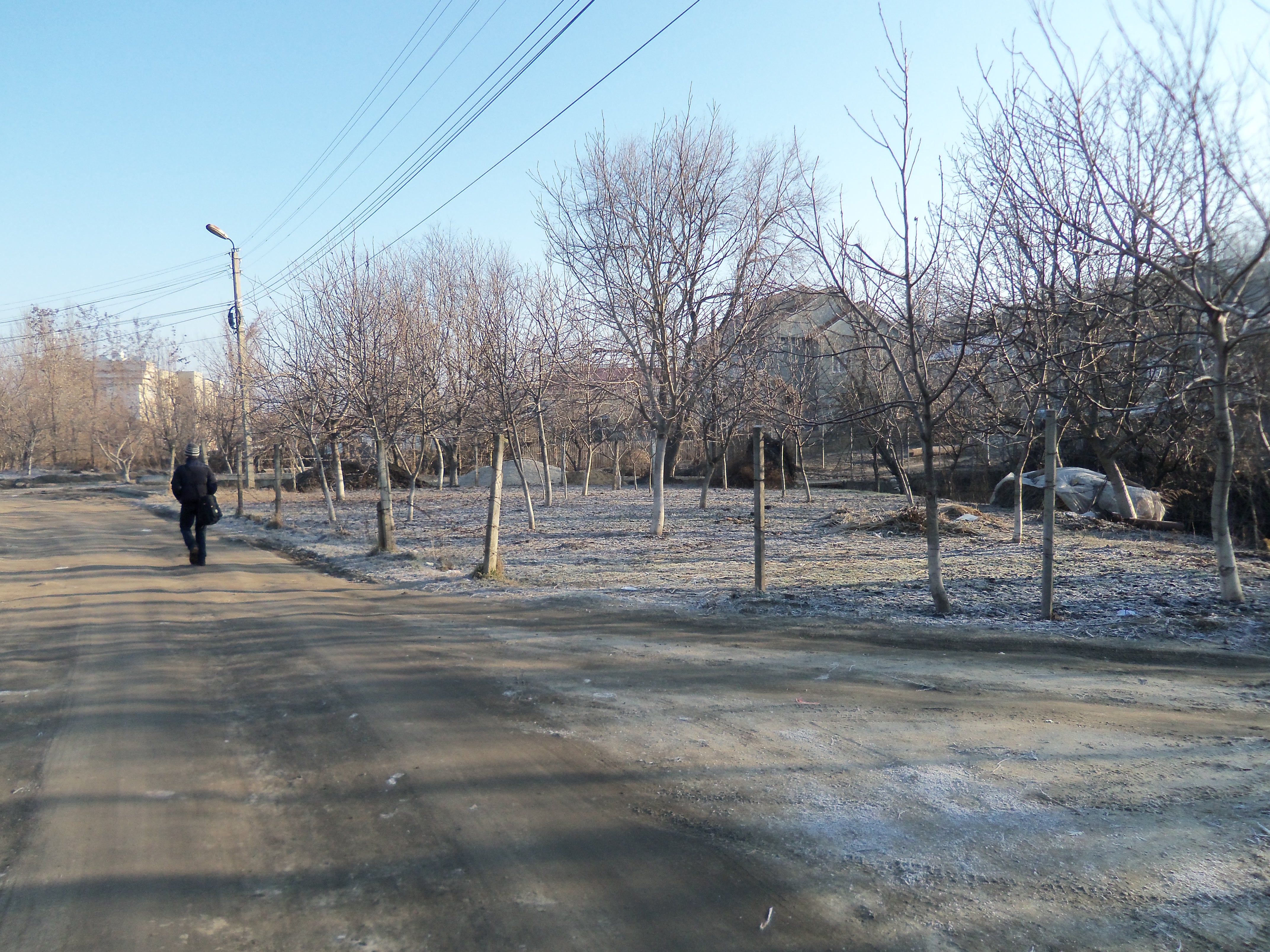
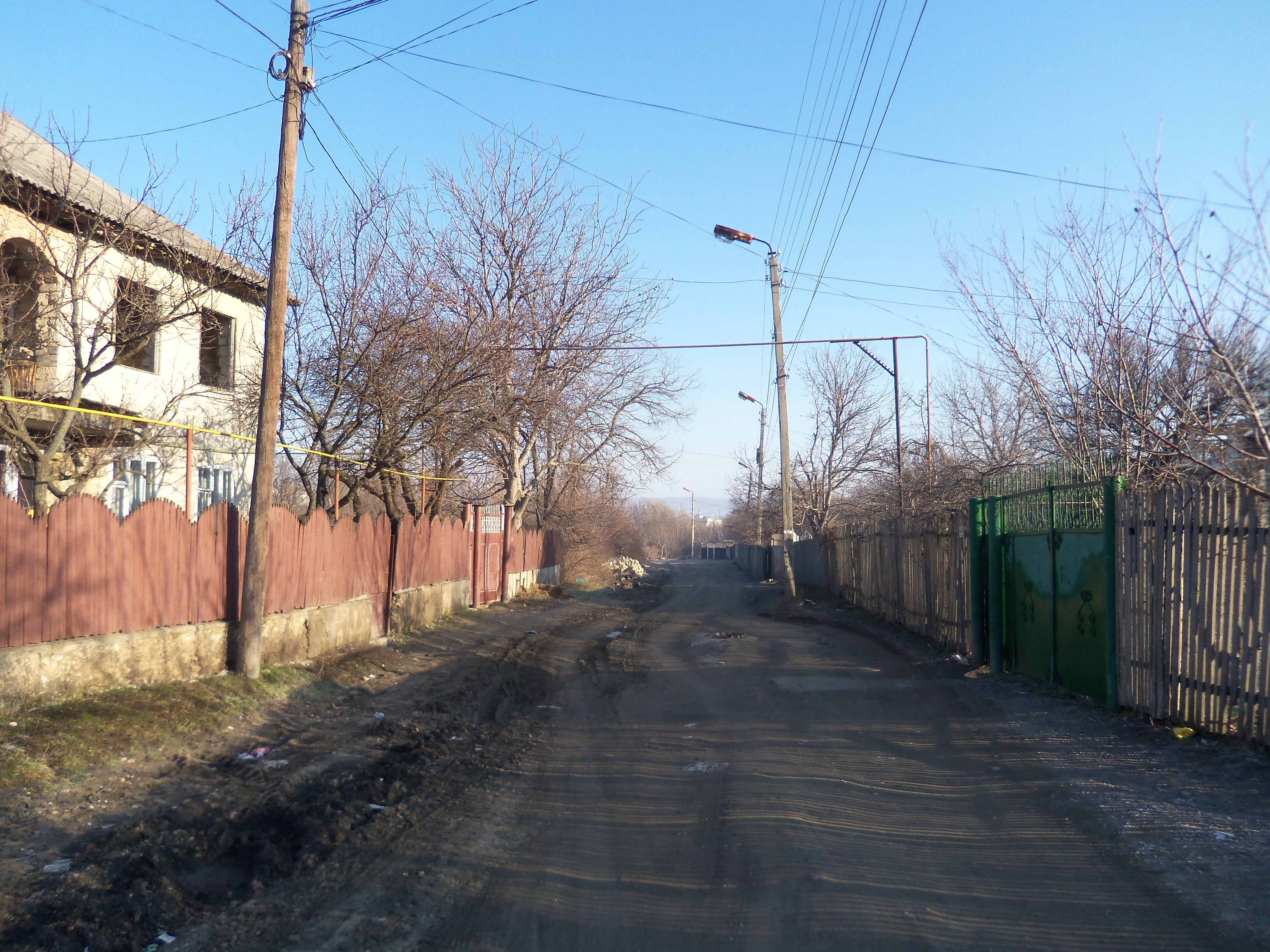


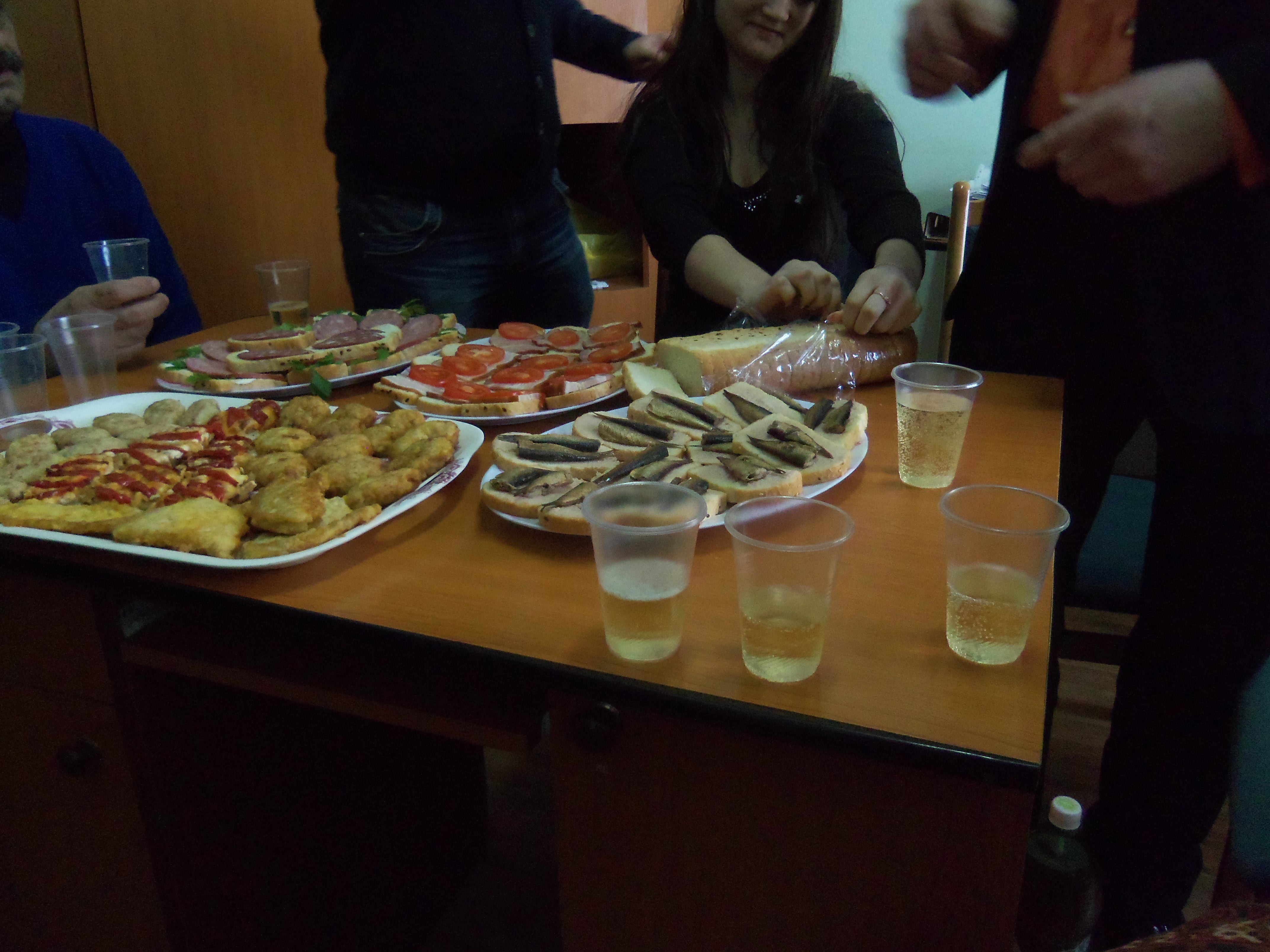 celebration her brother and his girlfriend stopped by. We fit about 15 people around the table to eat and drink homemade wine and cognac. It was a lovely way for me to meet everyone.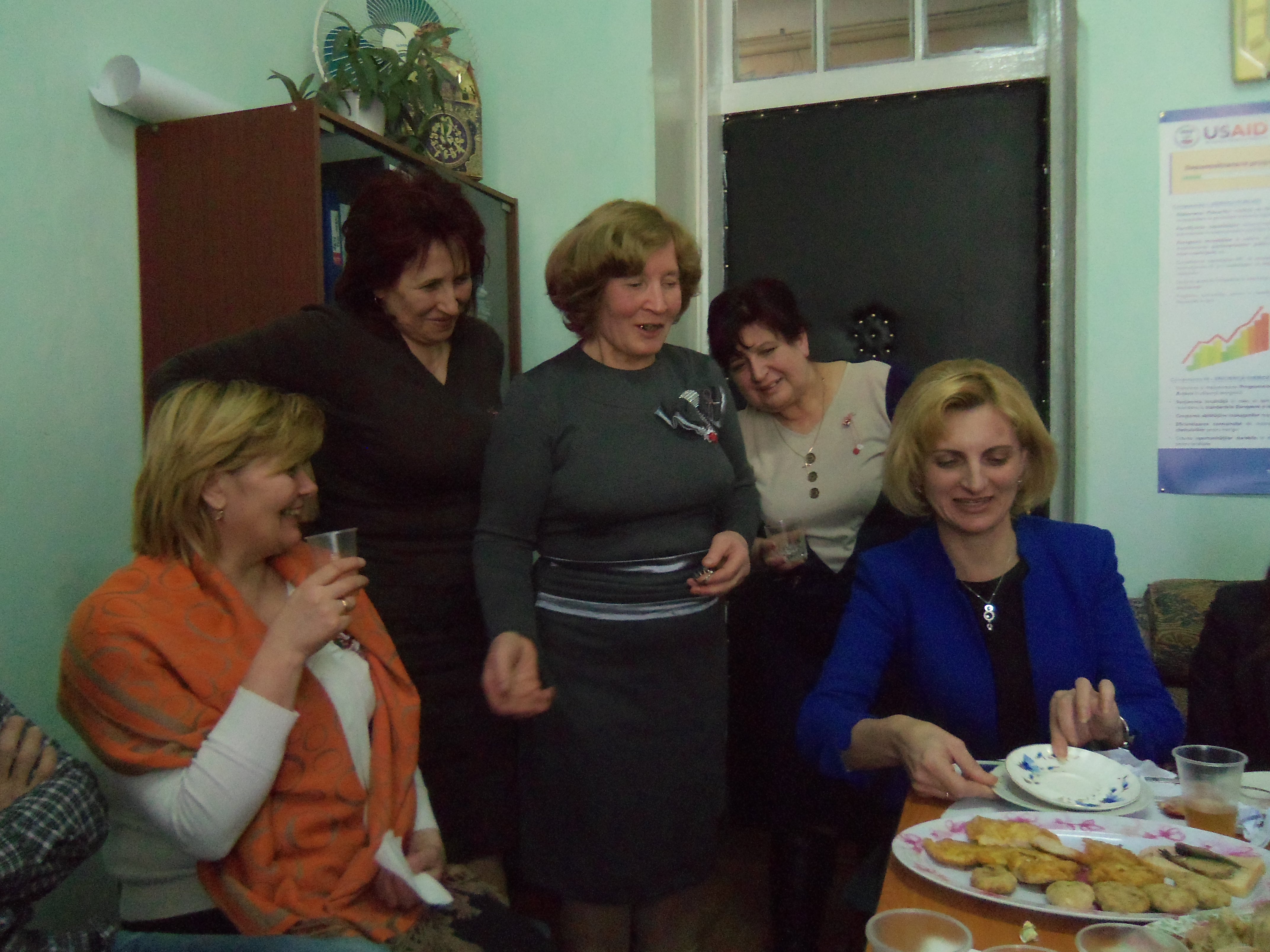

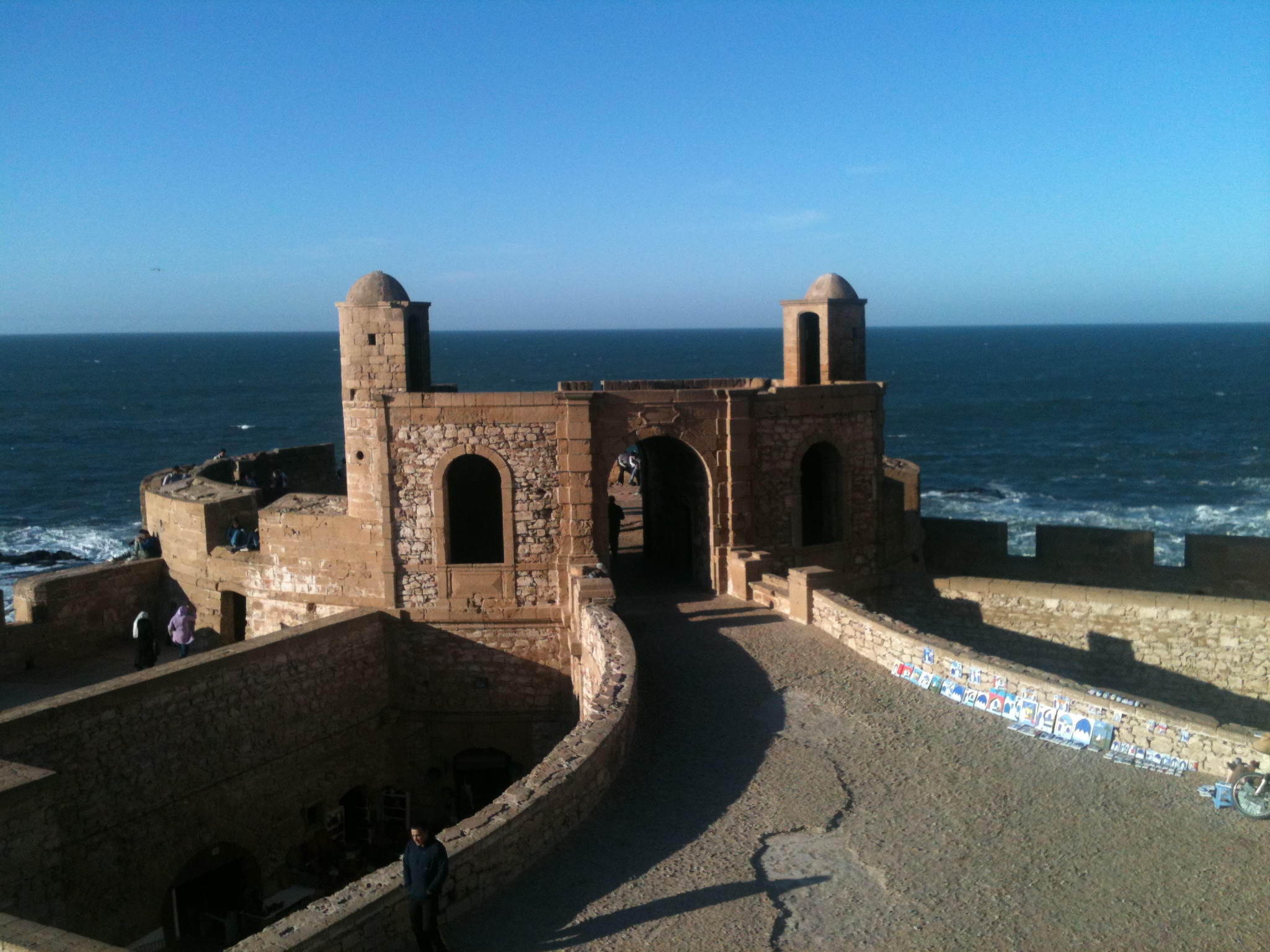


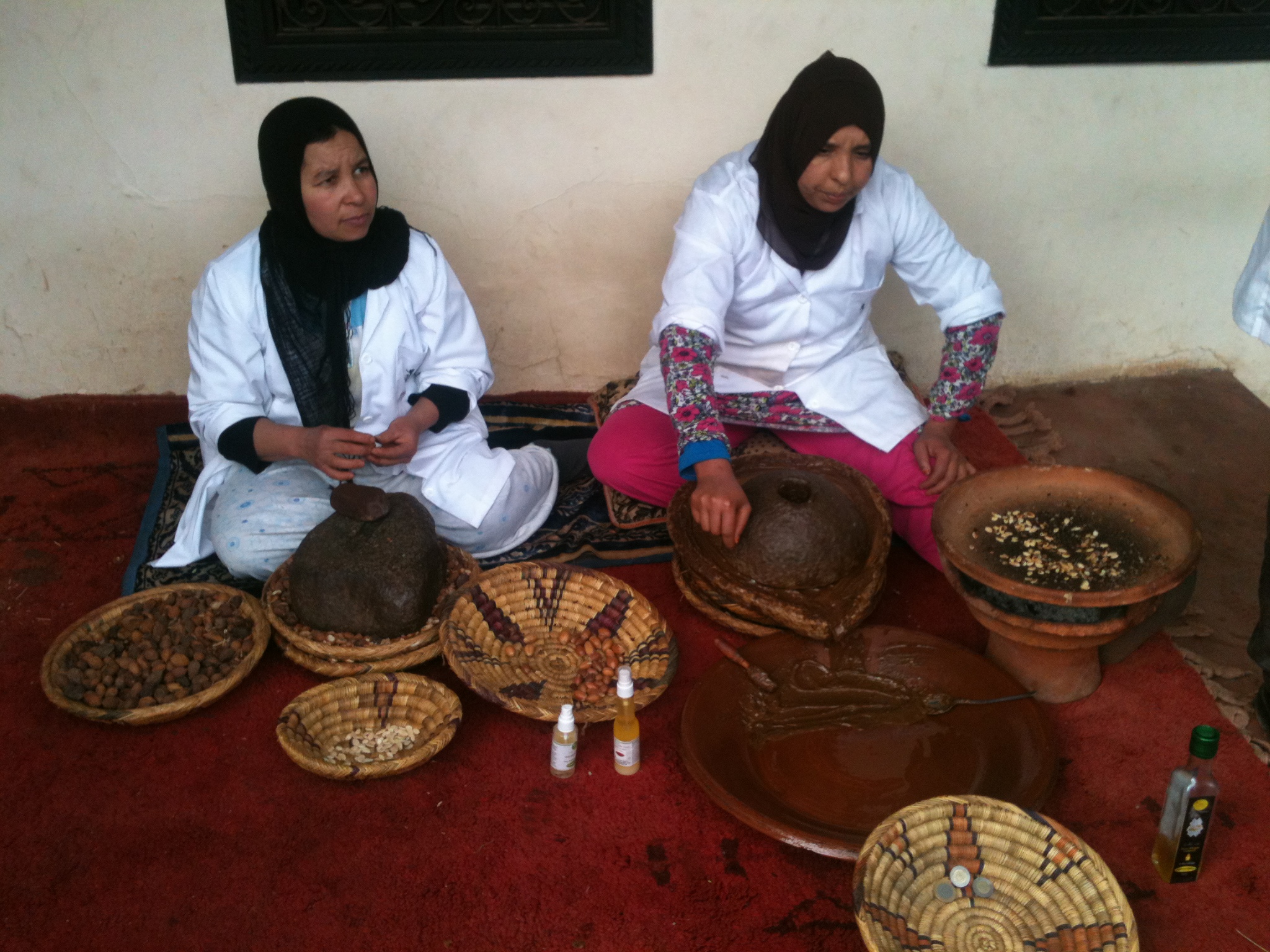
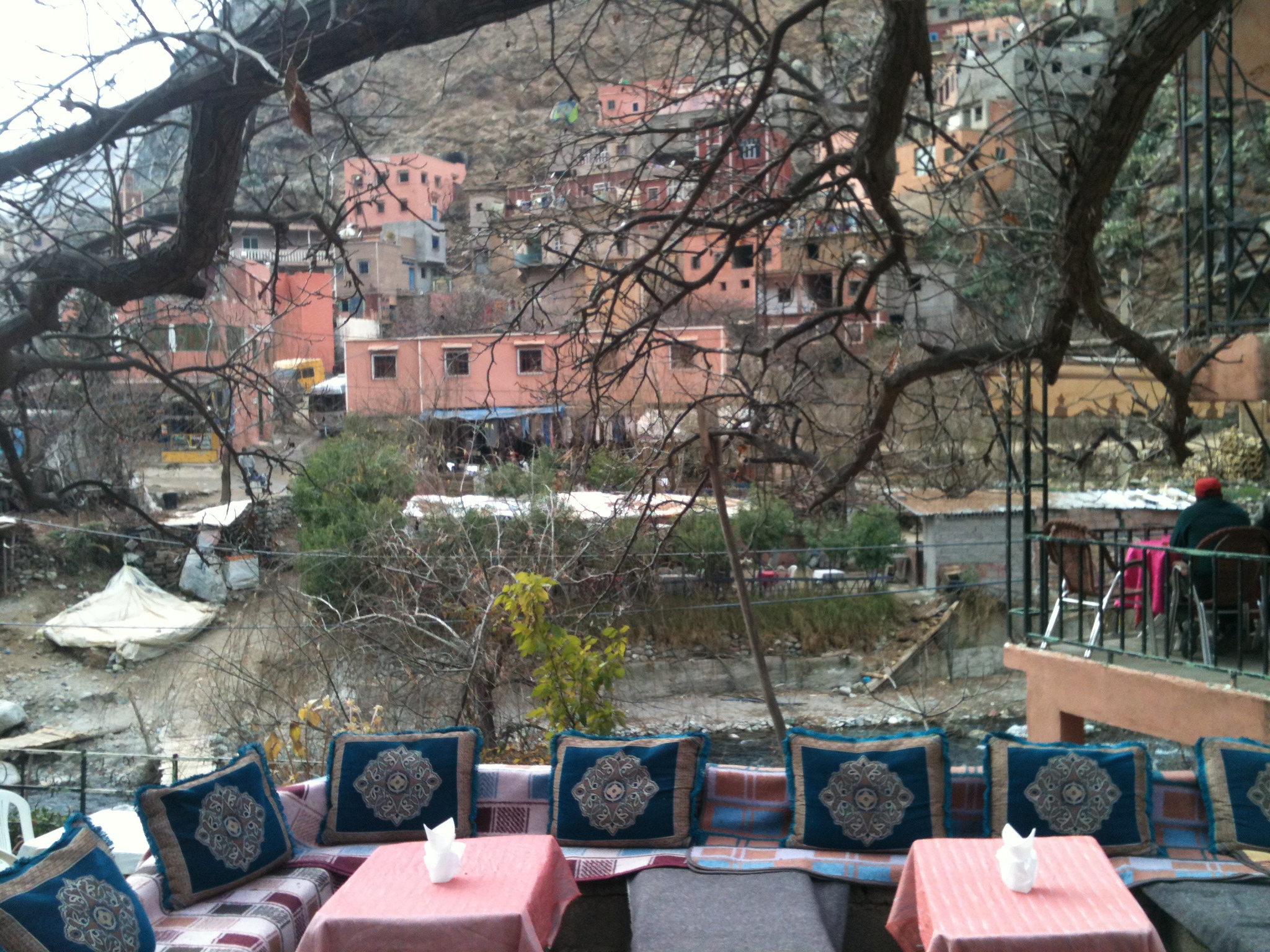


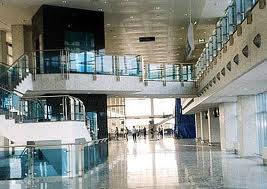
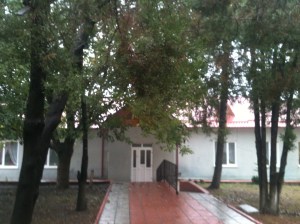


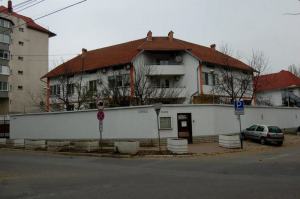
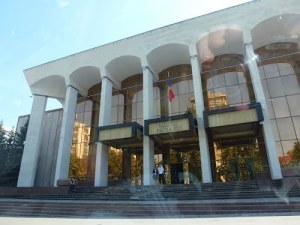




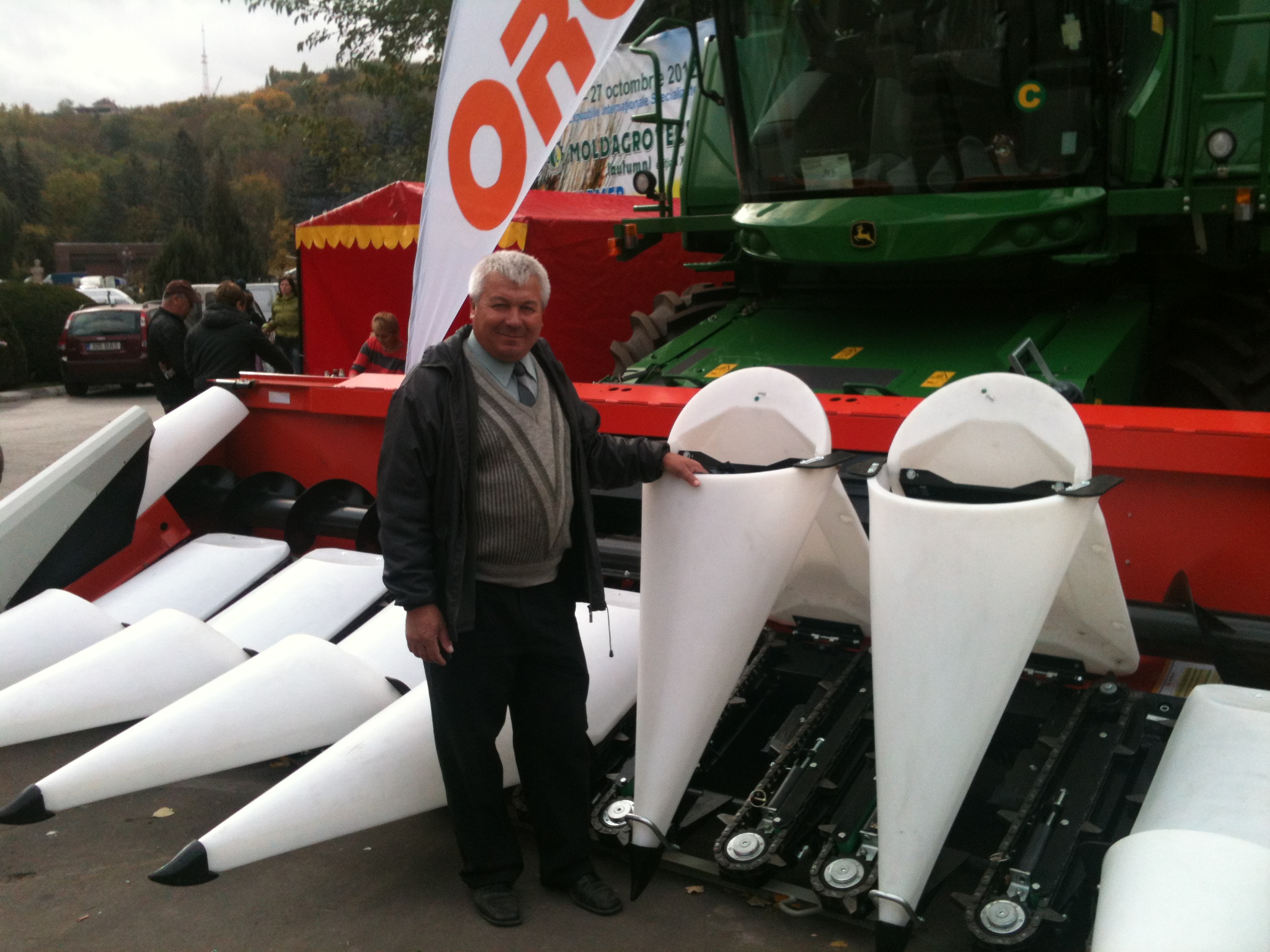


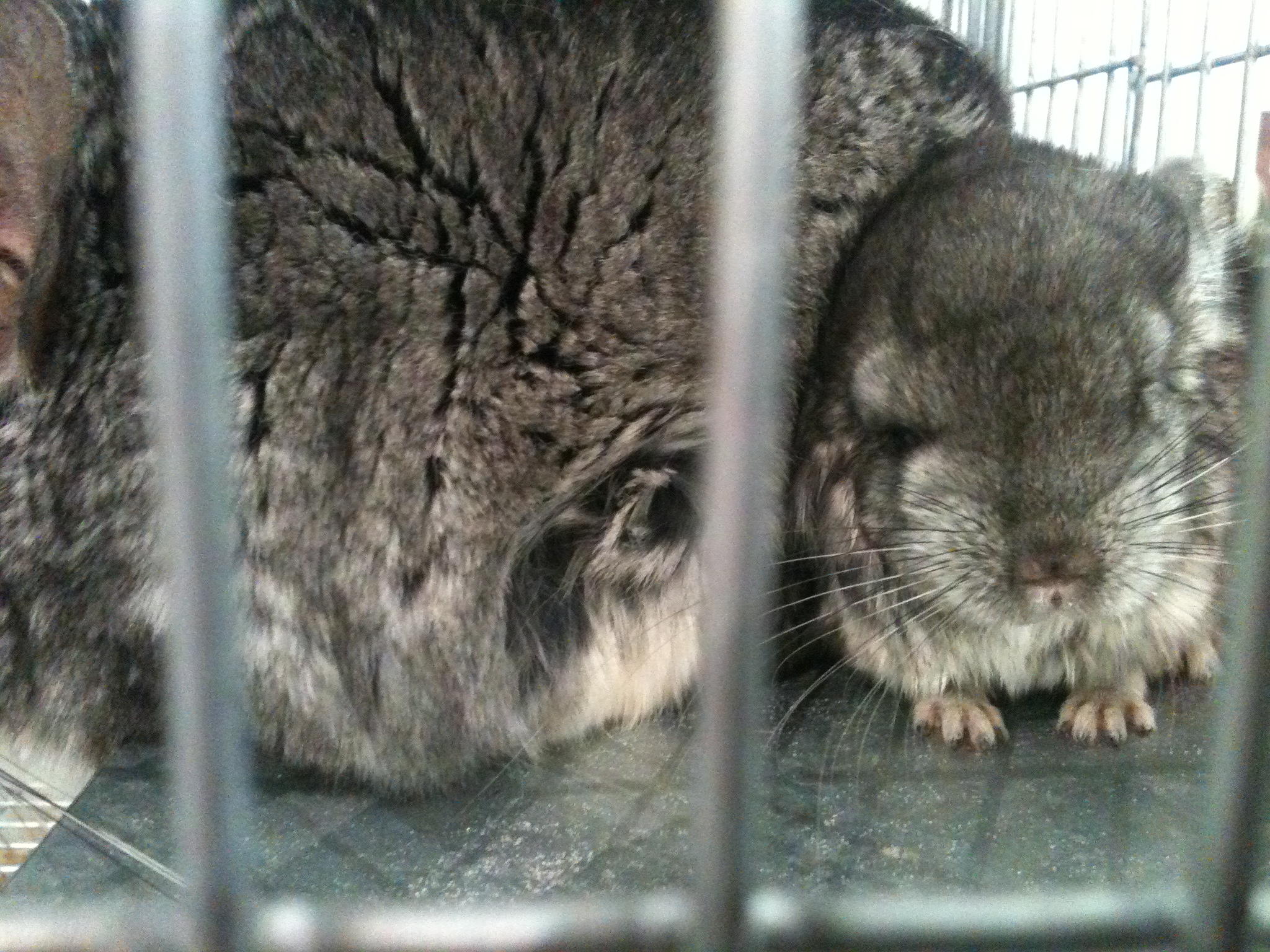
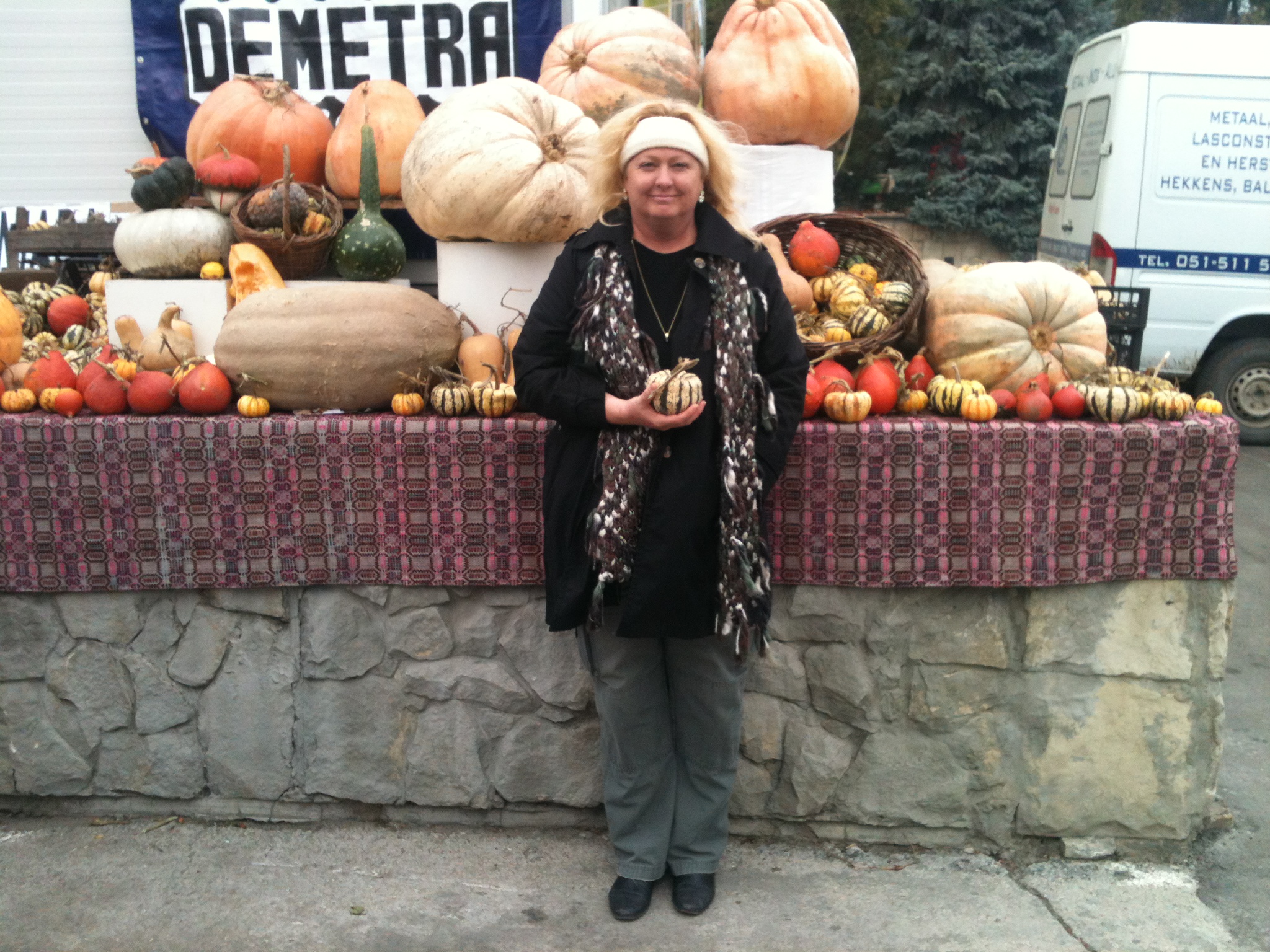




 From Now On I Live Mad